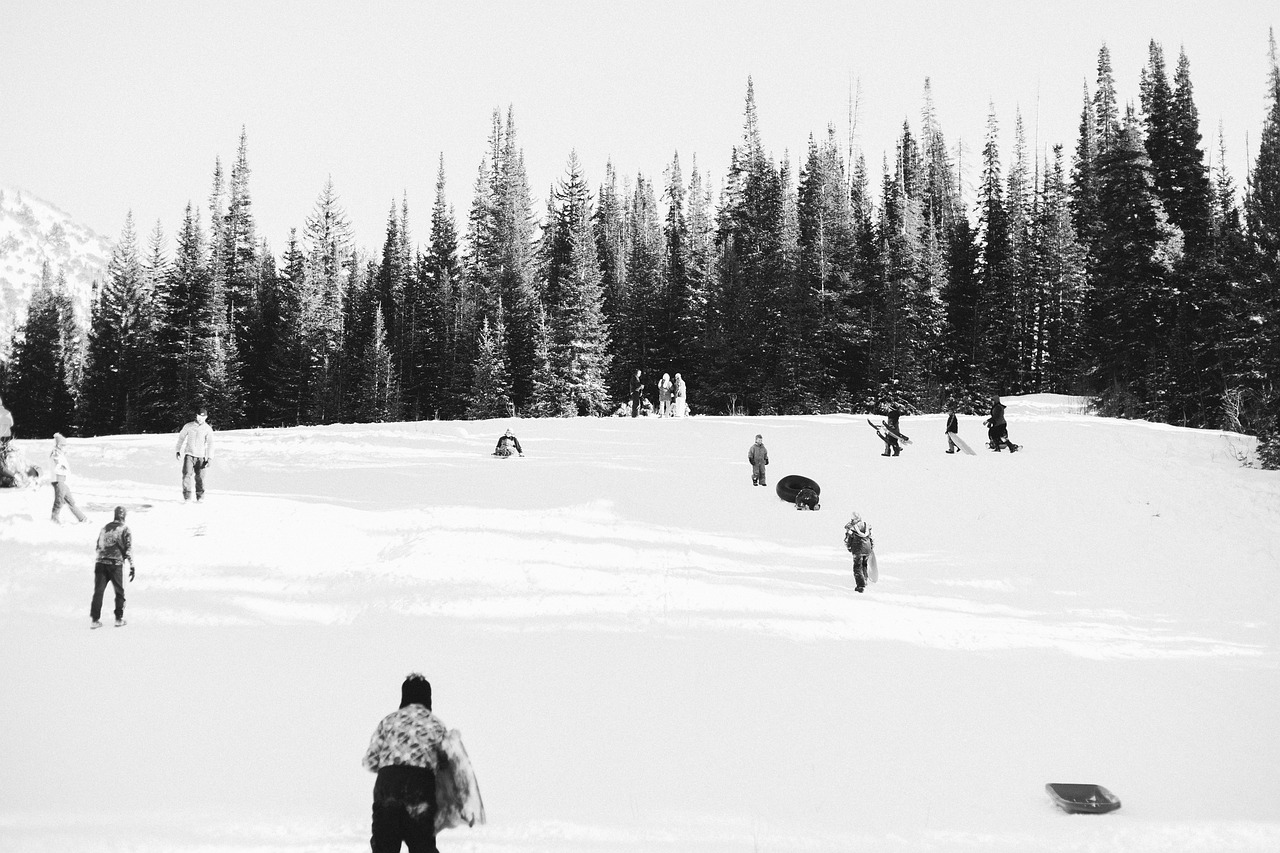

Combining Tobogganing with Winter Camping Adventures
Winter camping combines the beautiful, serene environment with exhilarating activities, and tobogganing is an ideal component. First, consider the essentials for a successful winter camp. Start with selecting a well-suited campsite where snow accumulates nicely, and hills are present for tobogganing. Pack your gear strategically, including a warm sleeping bag, insulated pads, food, and necessary cooking equipment. Don’t forget essential winter clothing to ensure you stay warm throughout the trip. The right toboggan enhances the fun; lightweight, robust models made of plastic are often preferred. Before embarking on your adventure, perform a safety check on your equipment to ensure it’s in good shape. Always inform someone about your trip details for safety. Between toboggan runs, enjoy winter hiking or snowshoeing to experience other fascinating aspects of winter nature. Bring along a camera to capture the beauty surrounding you. This adventure mixes the thrill of sledding with the tranquility of a winter camp, offering unforgettable memories under the stars. Remember that your safety and comfort come first while indulging in the exuberance of tobogganing.
Now, let’s delve deeper into planning your winter camping trip for tobogganing. Choose a date that typically offers good snow conditions, as this is crucial for a satisfying experience. Research local parks and trails known for winter camping and tobogganing. Make sure to check on the weather forecast leading up to your trip. You can consult local park services for any alerts regarding trail conditions. Once you arrive at your chosen location, set up camp in a clearing away from trees and potential avalanches. Look for flat ground where you can easily pitch a tent in the snow. Before tobogganing, try building a snow ramp for an extra fun experience as you glide down. Establish safety guidelines; designate which areas are toboggan zones. Always supervise younger adventurers to keep them safe. At the trip’s end, spare some time for a campfire. Share stories, roast marshmallows, and relish hot cocoa, rounding off a day filled with excitement and cheer. Use this adventure not just for fun, but to bond with family, making memories that last long after winter has faded.
Sledding Techniques and Safety Tips
Understanding the best sledding techniques is essential for maximizing enjoyment while minimizing risks during your camping adventure. First, establish the best position on your sled for optimal balance and speed. Lean back slightly, keeping your feet elevated. This ensures you do not hit obstacles or too deep snow. Always remain clear of others when sledding downhill to avoid collisions, which could lead to injury. When it’s your turn, take a moment to assess the slope. Ensure it’s free of rocks, branches, and other hazards before you go down. If you’re sledding with kids, choose gentler slopes perfect for tobogganing so they can enjoy safely. After each run, check in with fellow sledders and make sure everyone feels safe and aware of protocols. Equip children with helmets to protect against sudden stops or unexpected tumbles. It’s also beneficial to create a sledding buddy system; responsible adults can supervise kids. By following safety measures, tobogganing can remain enjoyable for everyone involved, ensuring that fun continues throughout your winter camping experience.
Beyond the thrill of tobogganing, winter camping presents unique opportunities to connect with nature. During your camping trip, take some time to explore winter vegetation and wildlife. Observe how various species adapt to the cold climate, and appreciate the stunning winter landscape. Snow-covered trees and frozen lakes are gorgeous backdrops for your outdoor activities. Use this time to bond with fellow campers as you share your knowledge about the winter ecosystem. During the evening hours, sit around the campfire swapping stories and engaging in camaraderie with family and friends. Utilize your photographic skills to document the captivating scenery and colorful moments from your adventure. Capture sunsets reflecting off snowy surfaces, creating breathtaking images. Use these photos in family albums or as inspiration for future trips. Weekend trips are great, but consider extending your adventure by staying longer to immerse yourself in winter camping and tobogganing. The more time you spend in nature’s beauty, the deeper your appreciation for winter sports will grow. You might return from your trip looking forward to another similar escapade soon.
Winter Camping Essentials
As you prepare for your winter camping trip, it’s crucial to pack specific essentials to ensure a comfortable and successful experience. Start with the right tent designed for winter conditions, preferably rated for snowy environments. A four-season tent provides added protection against harsh weather conditions. Ensure you have a good sleeping system, including a high-quality sleeping bag rated for zero degrees or lower. Insulated pads will keep you warm and comfortable during the chilly nights. Pack appropriate winter clothing, including thermal base layers, waterproof outer layers, and insulated boots. Essential gear also includes snow shovels and sleds for hauling equipment and creating toboggan runs. Your cooking setup should include a portable stove and fuel, along with utensils and food to keep the energy levels high during adventures. Don’t forget safety gear, which should include a first-aid kit and a flashlight with spare batteries. Water is vital for hydration, so consider packing insulated containers to prevent freezing. Lastly, carry extra gloves and hats in case of wet weather conditions. Proper preparation ensures that you enjoy every moment of your winter camping and tobogganing adventure.
We can’t overlook the delightful culinary experiences during winter camping. Meal preparation can be enjoyable, especially if planned around your outdoor activities. Start by considering easy-to-cook, hearty meals that provide fuel and warmth. Instant oatmeal or granola can kick off your day energetically. One-pot meals are a great choice for dinner after a day of tobogganing; they minimize cleanup while providing maximum energy. Pack items like pasta, rice, or freeze-dried meals that can simply be boiled, reducing time spent cooking. Don’t forget snacks to keep your energy levels high; trail mix and granola bars work wonders. Hot beverages are essential in the cold, so keep hot cocoa and coffee handy for an afternoon break. For dessert, roasted marshmallows over the campfire bring warmth and nostalgic joy. Engage everyone in meal preparation; this fosters cooperation and teamwork among campers. Create some memorable flavors and enjoy this aspect of outdoor living. Enjoying meals outdoors enhances the entire experience, allowing you to draw closer by sharing memorable moments around the camp table.
Staying Warm and Comfortable
Staying warm and comfortable during winter camping requires some strategic planning and knowledge. Layering is crucial; wear thermal base layers beneath your clothing, followed by insulating layers and breathable outer garments. It’s essential to keep your extremities warm, so invest in quality gloves, socks, and hats. Breaks between tobogganing runs are enjoyable but can lead to cold, so quick dips into a heated tent for a breather are advisable. Use your sleeping system wisely by caring for your hydration and avoiding consuming large meals just before sleep. This helps regulate body temperature and prevent overheating or chills. When in your sleeping bag, keep it zipped up tight and use a liner for added insulation. Also, practice a warm bedtime routine. Move around, exercise lightly, or take some warm drinks before settling in for the night. Each of these methods combats the harsh cold of winter camping. By focusing on warmth, you ensure long-lasting enjoyment throughout your tobogganing adventure. The focus remains on fun and discovery, allowing everyone to appreciate the beauty of winter sports and the joy of camping together.
Finally, capturing your winter camping and sledding experiences ensures that you remember these unforgettable moments long after you return home. Invest in a good quality camera or ensure your smartphone has sufficient storage to document your adventures aesthetically. Take candid shots while sledding or enjoying a cozy campfire. Create a journal to jot down thoughts, feelings, and experiences throughout the trip. Sketch the landscape or moments you felt particularly connected with nature. Consider sharing your adventures on social media platforms, allowing friends and community to join in on the excitement. You can develop and frame your best photos, showcasing your winter escapades at home. This inspires others to embark on similar adventures. Additionally, creating a story-filled photo book serves as a wonderful keepsake, preserving precious memories. Engage children in this creative process; they may write stories or create art about their exciting experiences. This fosters appreciation for nature and deepens familial bonds. Exploring this passion for winter camping can lead you to create annual traditions, making sure laughter and tobogganing become integral to your yearly family adventures.