
Fat Burning Challenge: The Science Behind Effective Fat Loss
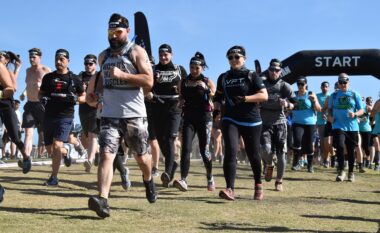
The concept of fat burning challenges has gained traction in recent years, attracting fitness enthusiasts and those interested in losing weight. These challenges require participants to engage in specific workouts and dietary plans designed to maximize fat loss. At the core of these strategies is the science of metabolism, which refers to the body’s energy expenditure. A calorie deficit, which occurs when you consume fewer calories than you burn, is fundamental to losing fat effectively. Incorporating a balanced mix of cardiovascular activities and strength training can enhance this process. As individuals commit to these challenges, they often find themselves motivated by measurable progress. Setting achievable goals ensures that individuals remain engaged and driven throughout their fat loss journey. Fitness challenges not only promote short-term results but also encourage long-term healthy habits. Furthermore, having a support network can lead to greater accountability and success rates among participants. The camaraderie formed through these challenges becomes a source of encouragement, providing a stimulating environment for every participant. Therefore, understanding the underlying science and employing a systematic approach contribute significantly to the overall effectiveness of fat burning challenges.
When embarking on a fat burning challenge, it is crucial to understand how the body burns fat. During physical activities, your body primarily uses carbohydrates and fats for energy. However, this dynamic shifts based on workout intensity and duration. In high-intensity workouts, the body relies predominantly on carbohydrates, while lower-intensity exercises favor fat utilization. This principle underscores the importance of incorporating various exercise intensities into a challenge schedule. Interval training has emerged as a powerful method for enhancing fat burning efficiency, alternating between periods of high and low intensity. Additionally, supplementing exercises with a healthy diet can further accelerate results. Whole foods rich in nutrients provide the energy needed for performance and recovery. Participants should focus on consuming proteins, healthy fats, and complex carbohydrates. Moreover, hydration also plays a vital role in optimizing metabolic functions. Adequate water intake is essential for maintaining peak performance levels and effective fat loss. It facilitates digestive processes and the transport of nutrients throughout the body. Educating oneself on macronutrients and meal timing can empower individuals to make informed dietary choices that align with their fitness goals. Eventually, every effort must align to achieve lasting change.
The Role of Nutrition in Fat Burning
The correlation between diet and fat burning is undeniable and requires careful consideration during any fat burning challenge. Nutrition plays a pivotal role in determining the rate at which fat is burned. Consuming a diet high in processed foods can hinder fat loss by contributing excess calories and unhealthy fats. Instead, focusing on whole foods like veggies, fruits, lean meats, and whole grains promotes a healthy metabolic state. Specific dietary approaches like the ketogenic or intermittent fasting plans help in reducing body fat. The ketogenic diet, for instance, shifts the body’s reliance on fats as fuel, leading to enhanced fat oxidation. Additionally, intermittent fasting can simplify caloric restriction, boosting metabolic flexibility. For the best results, participants should customize their nutrition according to personal needs and preferences, maintaining adequate macronutrient balance. It’s important to note that portion control significantly affects calorie intake. Strategies such as meal prepping and maintaining a food diary to track progress can assist participants in staying accountable. Through these means, one can cultivate a healthy relationship with food while ensuring maximum effectiveness in achieving weight loss goals throughout the challenge.
Moreover, incorporating essential vitamins and minerals into your diet is fundamental in facilitating the fat-burning process. These nutrients support various physiological functions, such as energy production, muscle repair, and overall immune health. Antioxidant-rich foods, such as berries, green tea, and leafy greens, are beneficial in combating oxidative stress during exercise. This stress can be pronounced during intense workouts, making recovery all the more important for sustained progress. Nutrient timing is another essential aspect of the nutritional strategy for fat burning challenges. Consuming specific nutrients at scheduled intervals can optimize energy levels and enhance recovery. Typically, it’s advised to consume proteins and carbohydrates pre- and post-exercise. At these times, your body is primed for nutrient absorption, making every bite count. Additionally, small, consistent meals can help keep the metabolic rate elevated throughout the day. This approach can prevent energy dips and keep hunger at bay. Together, leveraging the power of nutrition enables participants to maximize the results of their fat burning challenges while fostering a sense of empowerment over their health. Thus, a mindful approach towards eating habits becomes key to achieving one’s fitness aspirations.
Exercise Types for Optimal Fat Loss
Engaging in a variety of exercise types is vital to sustaining motivation and optimizing fat loss during a challenge. Cardiovascular exercises, such as running, cycling, or swimming, are staples in most fat burning programs. These activities elevate the heart rate, resulting in increased calorie expenditure. Participating in various forms of cardio keeps routines exciting while leveraging different muscle groups. On the other hand, strength training is equally important as it builds muscle mass. Increased muscle mass contributes to a higher resting metabolism, allowing your body to burn more calories even while at rest. Resistance training can include weights, bodyweight exercises, or resistance bands. Nonetheless, finding the right balance between cardio and strength workouts is fundamental. Typically, challenges recommend several days of each per week. Flexibility exercises, including yoga or stretching, also play a supportive role in recovery. They enhance overall mobility and prevent injuries, ensuring that participants can persist in their fitness programs. Additionally, selecting a suitable workout schedule, combined with adequate rest days, promotes physical and mental rejuvenation. Implementing variety and ensuring balanced training promotes efficient fat loss for all participants involved.
Furthermore, incorporating High-Intensity Interval Training (HIIT) into the routine of a fat burning challenge can amplify fat loss. HIIT is characterized by short bursts of intense activity followed by rest or lower-intensity periods. This method not only maximizes calorie burn during the workout but also enhances the post-workout calorie expenditure, commonly known as the afterburn effect. The versatility of HIIT workouts allows participants to tailor sessions according to their fitness levels. Additionally, exercises such as burpees, jump squats, and sprints can be integrated into these sessions, providing increased challenge and excitement. Many participants find that the time efficiency of HIIT makes it easier to stick to a routine. A typical HIIT workout can be completed in a shorter time-frame compared to traditional workouts, appealing to busy individuals looking to maximize their results. To achieve optimum health benefits, balancing out HIIT sessions with low-intensity activities is encouraged. Recovery is equally as important as the actual workouts to prevent burnout. Building optimal workout patterns not only enhances results but also fosters enjoyment in physical activity. Committing to a diverse workout regimen positions participants for long-lasting success.
Creating a Sustainable Fat Burning Challenge
Designing a sustainable fat burning challenge is key to fostering long-term success with fat loss goals. Sustainability can be established through gradual adjustments to physical activity and dietary patterns. Abrupt changes can lead to burnout or injury, deterring individuals from achieving their goals. Participants are encouraged to set realistic and specific short-term and long-term targets. These targets should be assessed and celebrated as progress is made, providing motivation and reinforcing positive behavior. It’s vital to remember that setbacks may occur, and maintaining a mindset focused on long-term results is essential for success. Additionally, participants can incorporate enjoyable activities, such as sports or group classes, to keep them engaged. Group environments can also provide a sense of community, enhancing motivation levels. Moreover, keeping progress journals can track participants’ physical, emotional, and mental journeys. Reflections on challenges encountered and achievements allow individuals to connect deeply with their journey. Ultimately, creating a supportive environment, coupled with achievable goals, is key to fostering a successful fat burning challenge. As participants embrace this process, not only will physical changes follow, but also an improved overall quality of life.
In conclusion, the principles behind effective fat loss during fitness challenges involve a combination of knowledge, planning, and execution. Understanding the mechanisms of fat burning allows participants to embrace the process mindfully. Incorporating diverse exercises and following a nutritionally balanced diet plays a crucial role in developing sustainable habits. The holistic approach of addressing both physical activity and nutrition is instrumental in achieving desired goals. While embarking on a fat burning challenge may present difficulties, participants’ commitment to their health enhances their resilience. Moreover, continuous education empowers individuals to make informed decisions that positively impact their fitness journeys. Engaging with supportive communities, whether online or in local groups, reinforces the importance of shared experiences and encouragement. As each participant learns more about their body’s responses and capabilities, they can adjust their strategies accordingly. Sustaining motivation through challenges ultimately generates confidence and self-efficacy. Therefore, implementing the strategies discussed above can lead to effective fat loss while fostering an enjoyable and memorable experience. By committing to a long-term vision of health, individuals can discover lasting results that exceed their initial expectations and serve them well into the future.