
Gear Guide: Choosing Equipment for Groomed and Backcountry Skiing
When deciding between grooming and backcountry skiing, an essential first step is understanding your gear options. The choice you make impacts your overall skiing experience significantly. Groomed skiing typically requires specific equipment designed to work best on maintained trails. The skis are generally shorter, slalom-style, and lighter, providing maneuverability on smooth surfaces. In contrast, backcountry skiing demands more rugged and robust gear to tackle challenging terrain. Often, it involves wider skis equipped with metal edges and climbing skins to facilitate uphill travel. This decision impacts not just performance but also safety. Understanding the terrain’s nature helps in choosing compatible equipment, offering better support for each skiing scenario. Remember that your skill level and comfort with different conditions also play crucial roles. Additionally, think about how often you plan to ski in either setting, as different investments may be required over time to suit your changing preferences. The next step involves assessing additional equipment essentials to complete your skiing gear set effectively. Let’s explore what extra tools you might need.
Essential Gear for Groomed Skiing
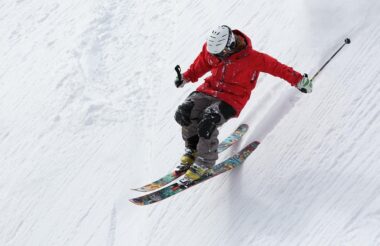
When focusing on groomed, ski resorts ensure that visitors enjoy well-maintained trails. Specific gear is essential for performance and comfort in such an environment. First and foremost, you need the appropriate skis, typically shorter and lightweight. These help in achieving quicker turns and effortless snowplows. Additionally, consider ski boots designed for maximum control and support, with a comfortable fit that allows you to ski all day without discomfort. Poles are also vital; ensure they are of a correct length to provide balance. They maintain rhythm while traversing smoothly groomed landscapes. Don’t forget proper attire; waterproof, insulated clothing keeps you warm and dry, enhancing enjoyment throughout the day. Goggles or sunglasses are crucial for UV protection and visibility. Furthermore, carrying a helmet enhances safety on crowded trails; you never know when a fellow skier might cross your path unexpectedly. As you determine your gear choices, consider the potential of mixing and matching brands; often, you’ll find a combination that suits your preferences and enhances your performance significantly. After grooming gear selection, let’s navigate to essential tools for backcountry adventures.
Gear Requirements for Backcountry Skiing
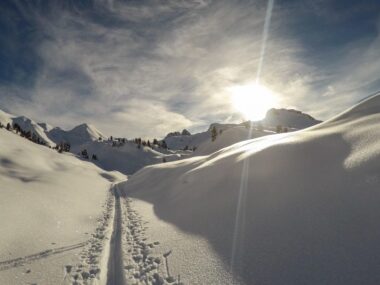
Backcountry skiing requires gear designed for versatility and durability. Firstly, it’s vital to have wider, fatter skis with dimensions that cater to untracked powder. These skis offer stability in different snow conditions, allowing smooth navigation through forests or loose terrain. Lightweight, waterproof boots with good insulation are necessary, letting you hike uphill with ease. Consider boots that have walk mode capabilities; this feature drastically improves comfort and efficiency during ascents. Binding systems used in backcountry skiing must prioritize safety through reliability while also allowing for ski touring options. A critical piece of equipment is avalanche safety gear including a beacon, shovel, and probe, as safety should always come first during backcountry exploration. Additionally, climbing skins enable you to ascend steep sections effectively, thanks to their grip against the snow. Layering is essential; wear moisture-wicking layers to remain comfortable throughout your adventure. Lastly, a reliable backpack to carry all of your gear is crucial. Adequate storage space can significantly enhance your backcountry skiing experience. Now that we understand backcountry equipment, let’s focus on essential accessories that bridge both skiing styles.
Accessories for Both Skiing Styles
Regardless of the style you choose for skiing, certain accessories enhance overall enjoyment and performance significantly. First, consider the impact of proper clothing layers; breathable, moisture-wicking materials can prevent overheating during intense activity. A good base layer acts as insulation while remaining lightweight. Similarly, mid-layers like fleece jackets provide warmth without being overly bulky. For the outer layer, weather-resistant jackets and pants fend off snow, wind, and rain. A good pair of gloves is equally crucial; cold hands can ruin your day, so look for insulated options with touchscreen capabilities. Additionally, socks shouldn’t be overlooked; high-quality, cushioned ski socks made from merino wool help to maintain warmth and wick moisture. When purchasing accessories, remember the importance of your ski goggles or sunglasses. The right lenses can improve visibility in changing light conditions while protecting your eyes. Off the slopes, a hydration pack or insulated water bottle will ensure you remain hydrated during outdoor adventures. As we focus on skiing performance, let’s discuss how to maintain your skiing equipment effectively.
Maintaining Your Ski Equipment
Caring for your skis and boots helps extend their lifespan and maintain necessary performance levels over time. First, attachment mechanisms like bindings must be checked regularly to ensure they function correctly. Keeping them free from dirt and debris enhances safety features. After each skiing trip, clean your skis for any stuck snow or grime. Dry them thoroughly before storage to avoid rust on metal edges. If you notice scratches on your skis, applying a fresh coat of wax will help glide effortlessly over various snow conditions. Pay attention to your ski boots; inspect the exterior for tears or damage regularly. Ensure buckles and straps function properly, as these contribute to getting the right fit for comfort. Additionally, store your gear in a climate-controlled environment when not in use to avoid deterioration caused by humidity. For backcountry enthusiasts, regular inspection of climbing skins ensures they remain sticky and effective for ascent. Regular maintenance habits further enhance the longevity of skiing gear. Let’s now explore how to make the most of your skiing experience on the slopes.
Maximizing Your Skiing Experience
To truly enjoy skiing, whether on groomed trails or backcountry terrains, maximizing your experience is essential. Begin with understanding your limits while challenging yourself gradually; it improves skills and builds confidence. Consider taking a lesson, even if you’re experienced, as guides can provide insights tailored to your skill level and choices for terrain. Skiing with partners enhances the experience, allowing you to share fun moments and encourage one another through challenges and improvements. Further, utilize technology; various apps help track performance, provide maps, and report on weather conditions, allowing better decisions during skiing excursions. Create a realistic skiing plan based on your style preference, tailored around your daily energy levels and weather expectations. To enjoy longer days, eat nutritious snacks and stay hydrated throughout the day. Consider planning ski trips in different locations to experience diverse terrains and climates, expanding your skiing expertise. Ultimately, the joy of skiing doesn’t only come from the slopes; it’s about the experience you cultivate through meaningful connections and memories created along the way. Lastly, share your stories and experiences with fellow skiing enthusiasts for continuous learning.
Conclusion on Gear Selection
Choosing the appropriate gear for either groomed or backcountry skiing maximizes enjoyment and performance. Before making any selection, consider the style of skiing that fits your preferences, ensuring you invest in equipment suited for your habits. Groomed skiing gear offers a great deal of performance and is typically more accessible and user-friendly for new skiers. However, backcountry gear provides a challenging yet exciting adventure, perfect for those looking to explore the wilderness. It’s important to stay informed about evolving gear technology to make educated decisions tailored to your skiing needs. Don’t forget varying accessories’ importance; they can enhance comfort and safety significantly. Take maintenance seriously, so your investment lasts, and your safety on the trails remains uncompromised. Ultimately, skiing should be enjoyable and fulfilling, promising memorable adventures in the snow. Whether navigating wide-open groomed landscapes or untracked powder in the backcountry, the right gear makes an enormous difference. Now, as you prepare for your next winter ski adventure, apply these insights to enhance your experience on the slopes effectively.
In conclusion, selecting suitable equipment ensures a rewarding and safe skiing experience. Best of luck on your next skiing adventure!