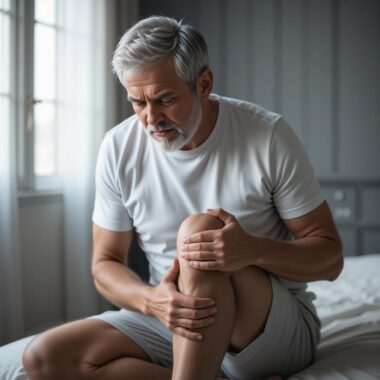

How to Monitor Arthritis Symptoms During Exercise in Elderly Populations
Arthritis is a common condition among the elderly that can significantly affect the quality of life. Managing arthritis through fitness is essential to ensure that seniors maintain mobility and reduce pain. It is crucial for seniors to approach exercise with care, monitoring their symptoms closely. This involves regular check-ins with a healthcare provider to evaluate any changes in symptoms before and after physical activity. Understanding the type of arthritis and the symptoms associated with it can help in creating an appropriate exercise plan. Educational resources about arthritis can be invaluable, as they provide insights into the condition’s impact. Engaging in low-impact exercises can help minimize joint stress while promoting overall fitness. Programs specifically designed for seniors can further cater to individual needs. For instance, gentle yoga or water aerobics may be more suitable than high-impact activities. It is important for seniors to listen to their bodies and rest when necessary, ensuring they do not overexert themselves. Maintaining a balanced diet along with regular exercise can also support arthritis management, helping to maintain an ideal weight.
Keeping track of exercise intensities and their effects on arthritis symptoms is essential. Seniors should note any discomfort they experience during their workouts, including pain levels, swelling, and stiffness. This monitoring allows for adjustments to their exercise routine, ensuring it remains beneficial without causing harm. Utilizing tools like a health journal can help record daily symptoms and activities, enabling a clear understanding of how different exercises affect their condition. Simple, consistent routines can be created based on these observations, promoting effective arthritis management. Engaging in a community group can also provide support and motivation, as participants share their experiences and progress. Additionally, consulting with a physical therapist can further aid in developing tailored exercise plans while ensuring proper technique. Incorporating strength training, balance exercises, and stretching can help alleviate some symptoms associated with arthritis. However, it is crucial to gradually increase exercise intensity and duration to avoid injury. The support from family and friends can also enhance the exercise experience, providing encouragement and accountability, which are vital in the journey to maintain an active lifestyle despite arthritis.
Choosing the Right Type of Exercises
Choosing the right type of exercises is vital for effective arthritis symptom management. Low-impact activities can be highly beneficial for seniors suffering from arthritis, including walking, swimming, and cycling. These exercises reduce stress on the joints while promoting cardiovascular health. Incorporating flexibility and stretching routines can help enhance joint mobility, coupled with strength-training exercises to maintain muscle mass. An individualized fitness program should take into account the senior’s overall health status and limitations. It is wise to collaborate with healthcare professionals to design a routine that accommodates personal preferences while being safe and effective. Gentle yoga can also provide relief and improve balance, making falls less likely. Moreover, seniors should prioritize warming up before any exercise session. Warming up can help increase blood flow to joints, reducing the risk of injuries. Cool-downs, which involve stretching after workouts, can help soothe muscles and maintain flexibility. Reminding individuals to stay hydrated during their routines is essential, as hydration aids recovery and overall performance. Monitoring the response of the body to exercise is crucial, including understanding when to modify activities, promoting a positive experience for longer-term commitment.
Exploring the correlation between mental well-being and physical exercise is also essential. Studies have indicated that regular exercise can reduce anxiety, depression, and stress levels among seniors, promoting a healthier mindset. Mental health is intricately connected to physical conditions, such as arthritis. The release of endorphins during exercise can result in pain reduction and increased overall happiness. Engaging in social settings, like group classes, aids in building friendships, combating loneliness, and enhancing motivation. The support of peers encourages sustained participation in fitness activities. Additionally, it could be beneficial to introduce relaxation techniques into the fitness routine. Methods like meditation and deep breathing can ensure that seniors manage stress levels effectively, which can potentially alleviate arthritic symptoms. Positive reinforcement through self-measurement of progress helps in maintaining motivation as individuals recognize small victories over time. Continuous encouragement, whether from healthcare professionals or loved ones, plays a significant role in ensuring adherence to fitness plans. Ultimately, understanding the mind-body connection can lead to improved assessments of health and wellness, providing a holistic approach to managing arthritis through fitness.
Professional Guidance and Support
Seeking professional guidance can significantly enhance the effectiveness of managing arthritis through fitness. Accessing resources from a certified fitness instructor who specializes in senior fitness can help seniors safely navigate workouts tailored to their unique needs. Furthermore, healthcare providers can offer advice on how to incorporate exercise into daily routines and suggest appropriate activities. Regular consultations are vital for monitoring overall health and adjusting exercise plans as needed. Physical therapists can conduct assessments to identify muscle weaknesses and imbalances. They can create personalized exercise programs that focus on strengthening, range of motion, and flexibility. Developing an effective communication plan with healthcare professionals ensures that seniors feel empowered during their fitness journey. Addressing any concerns quickly helps in minimizing complications associated with arthritis. In some cases, nutritional counseling may support fitness endeavors by emphasizing the importance of anti-inflammatory foods. Educating seniors about the benefits of nutrients can improve their overall healing process. Engaging in discussions about personal limits band stress management techniques also empowers seniors to gain control over their health and increase their confidence during fitness routines.
Understanding the importance of pacing oneself during exercise is crucial for seniors managing arthritis. It is vital to recognize that pushing through discomfort may lead to unwanted setbacks. Effective pacing involves closely monitoring how the body responds to different exercises and making adjustments based on physical sensations. Keeping a moderate exercise intensity rather than striving for perfection can ensure a more positive experience, leading individuals to continue their fitness journey. Consistent, long-term commitment to manageable activities can yield significant advantages in managing arthritis over time. Furthermore, being adaptable and open to modifications will allow seniors to engage in various routines efficiently. Alternating exercises and introducing new activities can maintain engagement while addressing multiple muscle groups and joint health. Exploring options in outdoor settings can also enhance the exercise experience, providing fresh air and promoting mental well-being. Seniors should focus on establishing a routine that becomes a regular part of their lifestyle, emphasizing sustainability. Constant evaluation and feedback mechanisms can help seniors stay accountable and motivated. By fostering a positive attitude towards their fitness journey, seniors can effectively manage arthritis symptoms through consistent exercise.
Final Thoughts on Fitness and Arthritis
In conclusion, managing arthritis through exercise is vital for elderly populations seeking improved health and well-being. A carefully tailored fitness program, professional guidance, and strong support systems can create a successful approach. Continuous assessment of activity responses allows seniors to maintain safe exercise routines tailored to their abilities. Establishing an exercise diary could provide clarity on the effectiveness of particular activities while capturing vital information about symptom progression. Social interactions in community settings offer additional motivation, enabling seniors to share challenges and accomplishments. Furthermore, understanding pain, when to rest, and the importance of a balanced diet contributes significantly to overall success. Seniors should prioritize hydration, proper nutrition, and relaxation to complement their routines while fostering mental wellness. Accessing quality information about arthritis and exercise can pave the path for body awareness, helping seniors embrace their fitness journey enthusiastically. Ultimately, fostering a positive mindset toward fitness can enhance life quality, reducing arthritis symptoms and improving life satisfaction. Encouraging engagement in regular exercise and understanding its benefits empowers seniors, allowing them to take charge of their health sustainably and effectively, facilitating a much-improved lifestyle.
Implementing these principles collectively can create a comprehensive framework for managing arthritis effectively through fitness. Incorporating attention to body cues, consulting professional guidance, and maintaining social connections can significantly enhance the overall experience for seniors. By prioritizing safety, monitoring symptoms, and adjusting fitness regimens as needed, seniors can enjoy the benefits of exercise without unnecessary burdens. Together, these strategies contribute to a greater sense of autonomy and agency over one’s health, while also addressing the challenges associated with arthritis. Regular participation in physical activities improves both physical and mental health, leading to longer, healthier lives for those affected. As seniors embark on their fitness journey, it remains vital to embrace adaptability and stay informed about their condition. Gaining a deeper understanding of arthritis allows for greater empowerment and control over individual health choices. Ultimately, the integration of mindful movement, appropriate exercises, and collaborative support fosters an environment where seniors can thrive amidst the challenges posed by arthritis. Beginners to fitness routines must be patient and understand that gradual progress is the key to sustainable success, ensuring long-lasting benefits not limited solely to physical improvement.