
How Weather Conditions Affect Your Slacklining Session
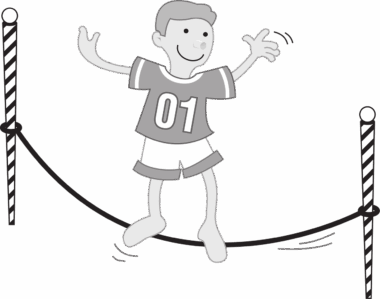
Slacklining is an exhilarating outdoor activity that challenges your balance and focus while connecting between two anchored points. However, various weather conditions can significantly affect your experience and safety while slacklining. Understanding how temperature, wind, and precipitation impact the sport can help you enjoy safer, more effective sessions outdoors. First and foremost, consider temperature; extreme heat can lead to dehydration and fatigue, making it essential to stay hydrated. In contrast, colder temperatures might hinder muscle flexibility, resulting in increased strain while slacklining. Secondly, wind is a critical factor; high winds can make it difficult to maintain balance, potentially causing falls. Therefore, it’s essential to pay attention to wind speeds, particularly on elevated lines. Rain and snow can lead to slippery conditions, making setup dangerous and posing a risk to your safety. Ensure you assess the surface and weather before starting. Lastly, consider adapting your gear to the conditions. Investing in weather-resistant safety gear can enhance your outdoor experience and ensure fun while minimizing risks. Being aware of weather implications is paramount for every slacklining enthusiast.
Another element to consider is how humidity levels impact not only your personal comfort but also the performance of your slackline equipment. High humidity can make the webbing of the slackline with more moisture, affecting its grip and performance. When slacklining in very humid conditions, the risk of slipping increases significantly, especially with dew on the line or surrounding areas. Furthermore, ensure that your anchoring points are secure and not affected by wet surfaces. Using specific slackline webbing designed to handle various weather conditions can also enhance endurance, which will help improve your overall experience. Additionally, the visibility is affected by weather conditions such as fog or heavy cloud cover. Poor visibility can make it challenging to focus and gauge the distance from the ground. As a result, your ability to maintain balance can be compromised, leading to potential accidents. Therefore, it is crucial to check the forecast as well as environmental conditions before heading out. Attending slacklining sessions on days with favorable weather can significantly boost your confidence and reduce accidents, allowing you to perform at your best while enjoying your sport.
The Impact of Seasonal Changes
Seasonal changes also dramatically affect slacklining experiences. Spring and summer months often provide pleasant temperatures and more stable weather patterns for slacklining enthusiasts, making these ideal times for outdoor adventure activities. When planning a slacklining session during these months, be aware of sudden thunderstorms or pop-up rain showers that can arise unexpectedly. Ensure you have a backup plan; find covered areas or nearby shelter if inclement weather approaches during your session. In autumn, cooler temperatures can provide a refreshing atmosphere, but seasonal winds can pick up due to changing weather patterns. Hence, always assess the wind strength and direction before unrolling your slackline. Winter can present the most challenging conditions for slacklining, as snow and ice make surfaces slippery and hazardous. However, in regions that allow for packed powder or stable weather conditions, it could be possible to maintain a slacklining practice using specialized gear. Check forecast updates frequently, and pay extra attention to local alerts regarding snowfall or ice. Ultimately, understanding these seasonal shifts empowers slackliners to choose optimal times for exceptional experiences.
Another crucial aspect to consider is how the time of day influences weather conditions, impacting your slacklining sessions. The best time for a slacklining activity is during the early morning or late afternoon, as temperatures are cooler and the sun is less intense. Midday heat can lead to rapid fatigue, increasing the risk of misjudgments while slacklining. Additionally, evenings can present different challenges; cooler temperatures at sunset can cause air currents to change, introducing unpredictable gusts of wind. Make sure to check local wind patterns during different times of the day. Furthermore, the presence of shadows can play an interesting role; large shadows may obscure your starting point and line, which can affect your perception. Not only does this impact balance, but it also may hinder your accuracy while attempting tricks. Therefore, focus on natural light sources; avoid areas with heavy shade that can create visibility challenges. By being strategic about your timing and warding off adverse effects from daily weather changes, you enhance your snow-exercise sessions while simultaneously enjoying the thrill of slacklining.
Preparing for Sudden Weather Changes
Preparing for sudden weather changes is essential for every slackliner. Always check the weather forecast before heading out and pay attention to hourly updates. In some regions, weather patterns can shift rapidly due to localized conditions, making it vital to stay informed. Bring necessary gear to account for unexpected rain or shifts in temperature. Waterproof bags can protect your equipment while additional layers keep you warm. It’s also recommended to carry emergency supplies, such as extra snacks, hydration sources, and warmth, which can prove invaluable during unanticipated weather changes. Maintain a flexible mindset and have quick escape options if conditions worsen unexpectedly during a slacklining session. Consider knowing your locations and nearby emergency services; that way, you can quickly seek shelter if needed. Having a weather app on your smartphone can inform you about upcoming storms or abrupt changes in wind speed. Also, remember to follow your instincts; if the conditions feel unsafe, trust your judgment and postpone your slacklining activities. Preparing ahead of time will maximize your safety while ensuring that you can enjoy the thrill of slacklining in a more controlled environment.
Lastly, connect with the slacklining community and share experiences or learn from others about how they adapt to individual weather conditions. Social media platforms and specialized forums can provide excellent resources for gathering tips and recommendations on managing outdoor adventure activities in variable circumstances. Sometimes, the insights that come from fellow slackliners can deliver practical guidance on how to choose the best locations in your area based on prevailing weather patterns. Sharing your findings with others not only builds camaraderie but can also boost your confidence while tackling increasingly challenging slacklining maneuvers. You may discover new techniques to sharpen your skills while learning about the importance of safety gear and proper setups in different conditions. Encourage others to participate in the fun, fostering a positive culture within the outdoor adventure community. Moreover, consider creating a checklist or a shared guide that offers crucial information about weather readiness before embarking on slacklining excursions. Ultimately, by engaging with fellow slackliner’s stories, challenges, and solutions, you’ll collectively increase awareness of how weather affects outdoor activities while enhancing everyone’s overall experiences.
In conclusion, the interplay between weather conditions and slacklining cannot be underestimated. Understanding temperature, wind, and precipitation is critical to ensuring a safe and enjoyable slacklining session. Always assess environmental factors before starting, as they shape your experience and performance. Adapting your approach, gear, and timing can lead to significantly better outcomes as you develop your skill set. Recognizing the impact of humidity, visibility, and seasonal changes further emphasizes the importance of weather in outdoor activities. As you align your slacklining endeavors with current climatic conditions, preparing for sudden changes enhances your readiness. Sharing knowledge with fellow slackliners can foster a supportive community that promotes safety and a thrill for adventure. Ultimately, staying informed while practicing your skills will allow you to embrace challenges and enjoy slacklining in diverse environments. Remember that the key to an incredible outdoor experience lies in being proactive regarding weather conditions. So, whether tweaking your schedule or refining your techniques, the combination of dedication and awareness promises an exciting journey through the world of slacklining.