
Hydration Techniques to Support Heavy Metal Detoxification
Hydration plays a vital role in the detoxification of heavy metals from the body, enhancing overall health. Water helps flush out toxins by promoting kidney function, thereby preventing them from accumulating. Adequate hydration is essential for facilitating the excretion process, especially for metals like lead, mercury, and cadmium. The importance of drinking filtered water cannot be overstated. While tap water may contain contaminants, filtered alternatives reduce intake of heavy metals, making your detox journey more effective. Gradually increasing water intake can also boost energy levels, making the detox process less taxing. Another important aspect is hydration’s role in supporting cellular functions. Hydrated cells can better transport nutrients and eliminate waste. Adding natural diuretics, such as cucumber and watermelon, to your diet can further enhance hydration levels. These foods not only hydrate but also support kidney health. Monitoring your body’s hydration status through urine color can provide helpful insights. A light pale yellow suggests adequate hydration, while darker hues indicate a need for more water. This simple, effective technique can significantly aid in the elimination of heavy metals from your system.
When undertaking a detox regimen, incorporating electrolytes is crucial for optimal hydration. Electrolytes, like potassium and magnesium, help maintain fluid balance in the body while supporting nerve and muscle function. Adding electrolyte-rich foods like bananas and avocados to your diet can be beneficial. Furthermore, coconut water is a fantastic natural source of electrolytes, making it a great option for hydration during detox. Staying active is another way to promote hydration while aiding in detoxification. Light exercises, such as walking or yoga, can increase circulation and enhance lymphatic flow. This encourages the removal of toxins and supports overall health. Herbal teas, especially those containing dandelion or nettle, provide antioxidants while promoting hydration. These teas also offer anti-inflammatory benefits that assist in detoxification. Remember to avoid excessive caffeine during this time, as it can lead to dehydration. Instead, focus on blending your hydration strategies by combining various sources. Experimenting with hydration smoothies or infused waters can make the chore enjoyable. Including ingredients like lemon or ginger can add flavor while boosting detoxification properties, making hydration not just necessary but also pleasurable during your journey.
Supplementing Water with Juices for Detox
Incorporating fresh juices into your hydration strategy can significantly aid in heavy metal detoxification. Juices derived from fruits and vegetables, such as beetroot or carrot juice, are known for their detoxifying properties. Beetroot, in particular, supports liver function and enhances elimination of toxins. Additionally, green juices, made from kale or spinach, are abundant in chlorophyll and antioxidants, which can bind with and eliminate heavy metals. Mixing these juices with enough water also boosts hydration levels and makes the detox process smoother. Consuming fresh juices during your detox can help replenish vital nutrients, providing energy without added sugars. Moreover, citrus fruits, like oranges or grapefruits, can enhance liver enzymes, promoting detoxification further. Juicing can also deliver a powerful dose of hydration, especially when combined with coconut water or aloe vera juice. However, balance is crucial; while juices can be beneficial, it is important to keep an eye on sugar content. Opt for juices made from whole produce rather than packaged versions for the best results. Making juice at home not only ensures freshness but also retains key nutrients needed to support your detox journey.
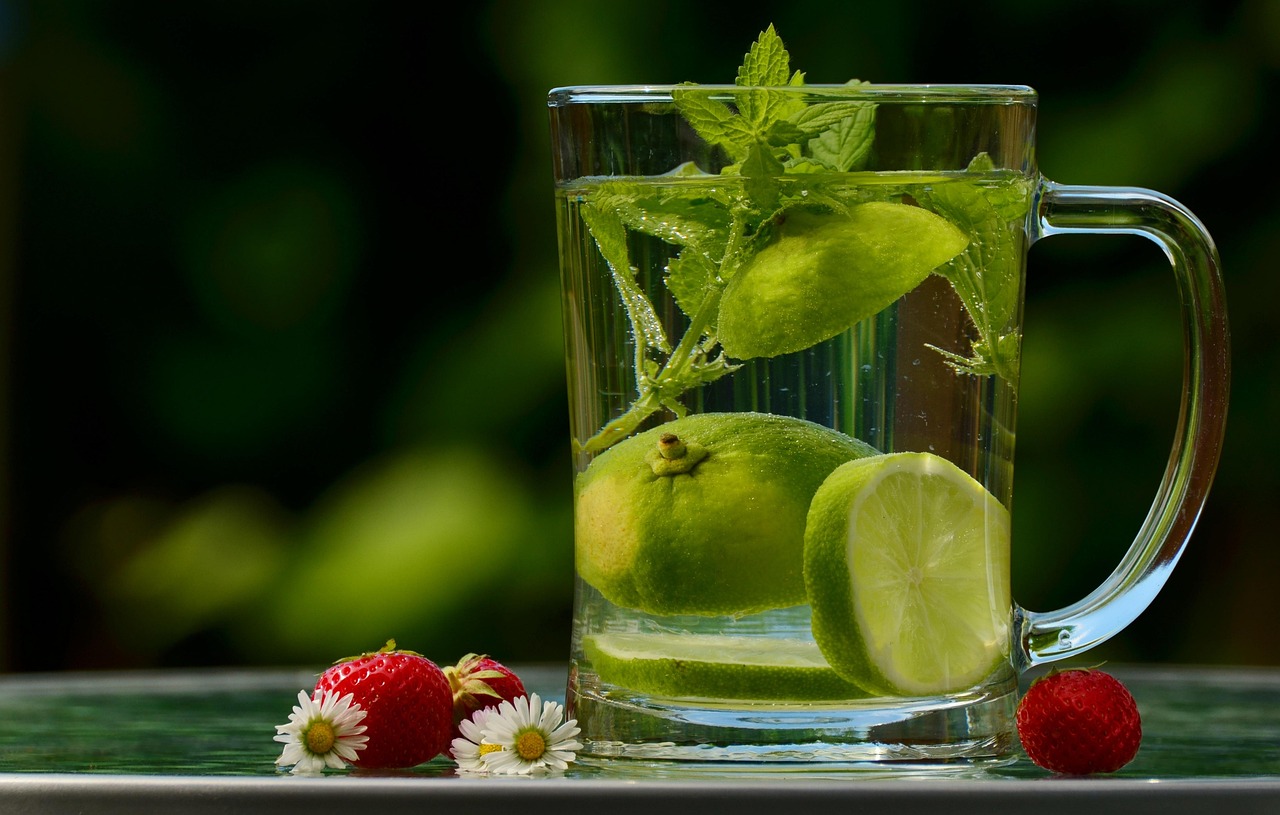
Herbal infusions can provide an extra edge to your detoxification efforts by enhancing hydration in a more natural way. Infusing water with herbs such as mint, rosemary, or parsley can create flavorful beverages that entice you to drink more. These herbs are not only refreshing but also contain properties that support the body’s natural detox processes. Mint, for instance, can alleviate digestive issues, allowing for smoother elimination of toxins. Moreover, parsley is known for its ability to enhance kidney function, further aiding in detoxification. A simple infusion can be made by steeping fresh herbs in hot water, allowing their flavors and nutrients to permeate the liquid. Additionally, you can create herbal teas that specifically focus on detoxification, using ingredients like ginger, which is known for its anti-inflammatory effects. Chia seeds, when soaked in water, can also enhance hydration while providing fiber that aids in digestion. This is crucial during detox, as it helps eliminate heavy metals effectively. Keep experimenting with various combinations to discover flavors you enjoy, ensuring a consistent hydration strategy that will support your quest for optimal health.
Hydration in Relation to Dietary Fiber
Maintaining proper hydration is highly intertwined with dietary fiber intake, especially during detoxification. Consuming enough dietary fiber helps improve digestive health, ensuring effective elimination of toxins from the body. Thus, pairing fiber-rich foods with adequate hydration can accelerate the detox process. Foods like chia seeds, oats, and legumes can be excellent sources of fiber. These foods swell when hydrated, which aids in keeping you full and promotes regular bowel movements. It’s crucial to drink plenty of water when increasing fiber intake, as it helps keep the digestive system functioning optimally. Furthermore, fiber supports the binding of heavy metals, promoting their excretion from the body. This dual-action, combined with hydration, creates a streamlined process for detoxification. Incorporating a variety of fiber sources into your diet, such as fruits, vegetables, nuts, and seeds, can enhance overall fiber intake. However, be mindful of gradual increases to prevent digestive discomfort. Aiming for at least 25 grams of fiber each day can support both hydration and the detoxification processes. This will ensure that your body operates efficiently while flushing out undesirable toxins, making the entire detoxification journey smoother.
Managing hydration levels is vital during heavy metal detoxification, but tracking your progress can be equally beneficial. Keeping a hydration diary may help you monitor fluid intake along with urine color and general wellness. By noting daily hydration habits, you can identify patterns that contribute to your hydration success. Incorporating reminders, such as setting alerts on your phone, can encourage you to drink water consistently throughout the day. Engaging in a buddy system with a friend can also motivate you, fostering a sense of accountability. While you’re monitoring hydration, don’t forget the importance of resting. Adequate rest supports the body’s recovery process during detoxification, enhancing hydration and overall health. Furthermore, ensuring a good night’s sleep can improve kidney function, ultimately aiding in detoxification. Consider creating a calming bedtime routine that includes herbal teas to promote relaxation and hydration before sleep. Remember that detoxification is a process, and cultivating good hydration habits over time can yield lasting benefits. It’s essential not to rush the process. Embracing mindful approaches to hydration will support your journey of detoxifying heavy metals from your system effectively while ensuring your body remains balanced.
Conclusion: The Synergy of Hydration and Detox
Effective hydration strategies play a crucial role in supporting heavy metal detoxification in the body, ensuring optimal health and wellness. By drinking sufficient amounts of water and including electrolyte-rich beverages, you empower your detox journey. Moreover, incorporating fresh juices, herbal infusions, and high-fiber foods can enhance your overall detoxification process. The synergy between hydration and detox is essential, as these methods collectively promote the elimination of toxins naturally. Remember to listen to your body’s needs and adapt your hydration strategies as necessary. Documenting your progress can also help you stay accountable while observing what works best for you. Balance is key; aim to integrate various hydration sources for a more enjoyable experience. As a final reminder, honor the process of detoxification, allowing your body the time it needs to flush out heavy metals effectively. By prioritizing hydration, you will support your body’s innate ability to detoxify while also fostering general well-being. This comprehensive approach will lead to improved health, increased vitality, and a strengthened immune system capable of combating unwanted substances.
Engaging in proper hydration techniques makes a significant difference in the quest for a healthier life, particularly in the battle against heavy metal toxicity. Commit to enhancing your hydration methods, ensuring you’re nourishing your body effectively as you eradicate harmful substances. The combination of thoughtful hydration and mindful nutrition will not only facilitate detoxification but also lay the groundwork for long-term health benefits. By understanding the importance of hydration and taking action toward implementing effective strategies, you embark on a transformative journey into better wellness. By adopting these practices, you can empower your body’s detoxification mechanisms. Each small effort you make will accumulate over time, yielding substantial results in your overall health.