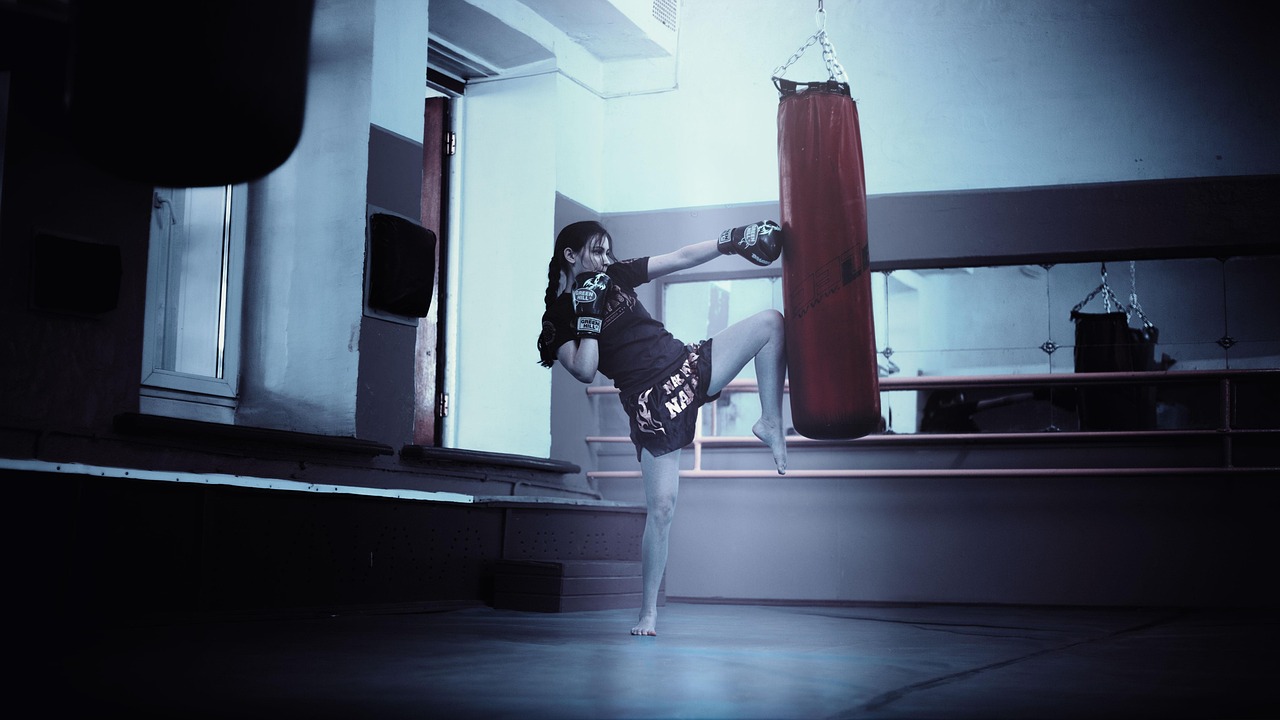

Kickboxing Under the Spotlight in Egypt: Historical Development
Kickboxing, a dynamic combat sport combining elements of traditional martial arts, primarily emerged in the 20th century. While its global popularity surged in the 1980s and 1990s, the history of kickboxing runs deep in Egypt’s rich cultural tapestry. Egyptian martial arts practices, particularly ancient forms of fighting, laid the groundwork for modern adaptations of kickboxing. The sport embodies a blend of techniques from Muay Thai, Western boxing, and traditional Egyptian martial arts. Many historians trace Egypt’s involvement with kickboxing back to the 1960s, marking its evolution from street fighting to a regulated sport. Kickboxing aligns with local preferences, resonating with the population’s desire for health, fitness, and self-defense. By the late 1960s, gyms dedicated to kickboxing opened up and became popular spaces for training. The enthusiasm for competitive kickboxing grew, inspiring athletes to perfect their skills through disciplined training and competitions. Today, Egypt is a hub for kickboxing, cultivating talent and hosting numerous events that attract international recognition and participation.
The Rise of Kickboxing in Egypt
The rise of kickboxing in Egypt can be attributed to several factors, including the influence of martial arts television broadcasts and international competitions. The booming interest in mixed martial arts ushered in a new era where kickboxing gained a foothold among Egyptian youths. Athletes of various backgrounds embraced the sport, eager to explore its physical and mental challenges. Many schools and universities began integrating kickboxing into their sports programs, providing structured training and access to experienced coaches. Egyptian champions emerged, further fueling excitement around kickboxing within the nation. Promoters organized events that showcased both local and international talent, turning them into significant sporting occasions. Spectators eagerly flocked to arenas, eager to witness thrilling bouts between top fighters. Additionally, kickboxing’s accessibility made it appealing to women, who found empowerment through training in self-defense techniques. This broadened participation led to a more vibrant kickboxing community, fostering unity and sportsmanship. Today, women are increasingly featured in prestigious competitions, demonstrating the evolving landscape of Egyptian kickboxing, where the sport transcends traditional gender roles.
As kickboxing began to find its footing in Egypt, it also adopted safety regulations and governance structures inspired by international kickboxing federations. Such developments ensured that the sport would not only be exciting but also safe for athletes at every level. The establishment of national governing bodies helped to standardize regulations and organize competitions, further integrating kickboxing into the fabric of Egyptian sporting culture. Prominent figures in Egyptian martial arts took on essential roles as mentors and officials, ensuring that fighters received not just training but also guidance in sportsmanship. By organizing structured leagues and championships, they elevated kickboxing into a more respected sport, drawing the attention of sponsors and media. This newfound legitimacy inspired more athletes to pursue kickboxing professionally, enhancing the depth of talent in the country. The nurture of athletes continued, building a pipeline of future champions. Continued access to high-quality training facilities has played a crucial role in enabling athletes to refine their skills and compete on the international stage. It’s an inspiring evolution that marks Egypt’s place in the global kickboxing narrative.
Success Stories of Egyptian Kickboxers
Among the notable success stories emerging from Egypt is that of Ahmed Saad, an acclaimed kickboxer who gained international prominence through his remarkable technique and fight strategy. From a young age, Saad trained rigorously in various disciplines, ultimately placing focus on kickboxing. His rapid success propelled him into national championships, where he demonstrated not only raw talent but also the hallmark of a true athlete—dedication and discipline. Competing across different countries, he earned accolades that positioned him as one of the sport’s leading figures. Another inspirational figure is Nouran Elshater, a prominent female kickboxer who has shattered stereotypes and paved the way for women in martial arts. Her achievements have encouraged countless women to participate in kickboxing, highlighting its empowering qualities. She holds several titles and consistently represents Egypt in international competitions, showcasing the rigorous training and camaraderie found in kickboxing. Together, these athletes contribute to a growing legacy, creating pathways for the next generation of Egyptian fighters to pursue their dreams in kickboxing, enhancing international regard for the nation in this sport.
Kickboxing’s influence in Egypt extends beyond mere competition; it also promotes holistic wellness and self-discipline amongst its practitioners. Many gyms in urban areas offer kickboxing classes, catering to everyday citizens aiming to improve their fitness and self-defense skills. This trend reflects a fundamental shift in societal attitudes towards physical activity and combat sports. Modern kickboxing programs often incorporate elements of strength training, cardiovascular conditioning, and flexibility exercises. This comprehensive approach attracts both male and female participants, creating diverse and inclusive training environments. The popularity of kickboxing fitness classes contributes to a new culture of health, helping individuals meet their fitness goals while enjoying the camaraderie of group training. Furthermore, community outreach initiatives often introduce kickboxing to underprivileged youth, providing a constructive outlet for energy and fostering valuable life skills. Participants learn the importance of discipline, respect, and perseverance, reflecting the core values of martial arts. As kickboxing continues to grow, it nurtures a more health-conscious society while reinforcing positive social values among young Egyptians.
Challenges and Future Prospects
Despite kickboxing’s successes, the sport in Egypt faces challenges that could impact its growth trajectory. Limited resources and funding may hinder grassroots developments, particularly in rural areas where kickboxing’s popularity is still in its infancy. Access to quality coaching and training facilities can also be a challenge for aspiring athletes. Although urban centers boast well-equipped gyms, less developed regions might lack essential resources, underscoring the need for systematic sports development strategies. Additionally, the sport’s visibility in media and sponsorships plays a pivotal role in its progression. Increasing coverage can entice more people to join, creating a sustainable growth cycle. The Egyptian government has taken steps to promote sports development, yet a concerted effort is necessary to facilitate funding. By enhancing sport infrastructures and access, Egypt can cultivate a more robust kickboxing community, nurturing talent across the nation. Moreover, increased collaboration between stakeholders, including sports authorities, local gyms, and educational institutions, can create opportunities for everyone involved. The future of kickboxing in Egypt holds great promise and potential for an exciting evolution.
As kickboxing continues to evolve in Egypt, the integration of technology will play an essential role. From virtual training programs to online platforms catering to athletes and enthusiasts, technology is reshaping how kickboxing training and competitions occur. Coaches can now leverage video analysis to refine techniques, optimize performance, and analyze opponents more effectively. Similarly, online forums and social media platforms enhance community interactions, allowing fighters to connect and collaborate globally, sharing tips and experiences. Moreover, the popularity of online content creation has given rise to kickboxing influencers who inspire budding fighters through engaging social media content. Young Egyptians can access information and resources at their fingertips, promoting training on their own terms. As more people discover kickboxing through modern channels, the sport’s appeal will likely grow, attracting a diverse audience. In addition, this fusion of technology with traditional training could create innovative teaching methods that cater specifically to the needs of today’s athletes. The future for kickboxing in Egypt appears more connected and vibrant than ever, signaling significant opportunities for enhancing participation and performance on all levels.
To summarize, Egypt’s kickboxing history exemplifies a unique intersection of traditional martial arts and modern combat sports. The sport’s growth can be attributed to both remarkable athletes and grassroots movements that have shaped its landscape. As kickboxing continues to garner recognition, it represents the essence of personal empowerment and physical fitness. From its humble beginnings to becoming a celebrated sport, Egypt’s journey in kickboxing illustrates the balance between cultural heritage and contemporary practices. The nation has fostered a thriving community of athletes who strive for excellence and embody the spirit of sport. With challenges to address and opportunities on the horizon, concerted efforts by stakeholders will be vital in shaping the future of kickboxing within Egypt. The dedication shown by local fighters and their coaches reflects an unwavering commitment to elevate the sport further. Egyptian kickboxing stands at the brink of exciting growth, ready to embrace innovation, technology, and greater participation. Both the local community and global arena will benefit from this evolution, ensuring that the legacy of kickboxing in Egypt remains vibrant and influential.