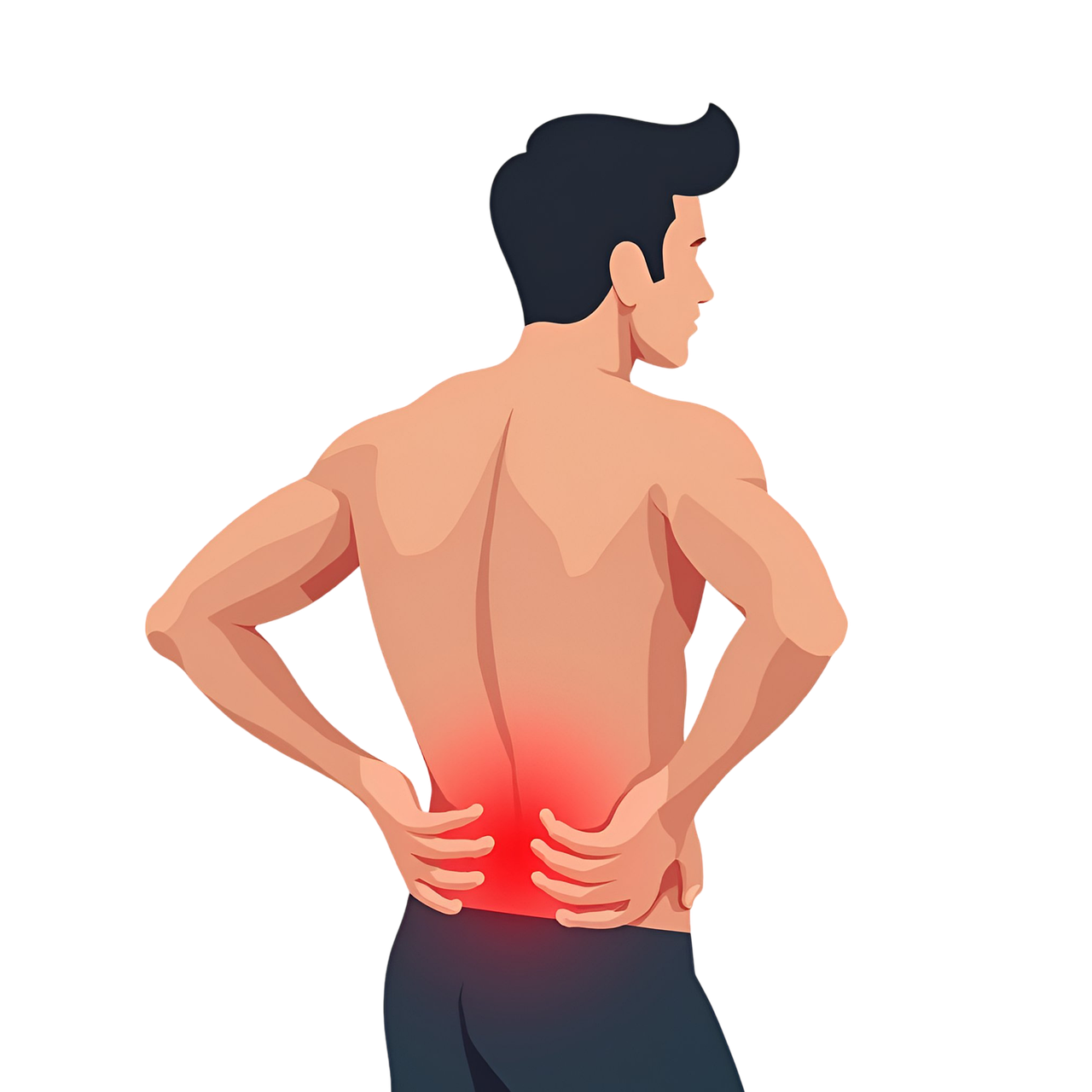

Safe Sports Activities for Individuals with Chronic Pain
Individuals with chronic pain often struggle with maintaining an active lifestyle. However, participating in safe sports activities can offer physical, social, and emotional benefits. Engaging in such activities can alleviate some pain and help manage symptoms. It is essential to consult a healthcare professional before starting any new sport or activity. Each person’s experience of pain is unique, necessitating personalized approaches. Low-impact exercises and sports are especially beneficial, as they reduce stress on joints while keeping the body active. Suitable options include swimming, cycling, or walking. These activities promote cardiovascular health and improve mood. Group sports can also foster social interaction, which is vital for mental well-being and can encourage adherence to a fitness regimen. Creating a schedule that incorporates exercise is crucial; consistency can improve both physical and psychological health. Moreover, proper gear and equipment are necessary to ensure safety. Listening to your body and avoiding overexertion will prevent exacerbation of pain. By being mindful and choosing appropriately, individuals can engage in regular activities and enjoy the benefits of a more active life without compromising their well-being.
One effective way to safely engage in sports activities is through modifying exercises and techniques. For instance, if you enjoy running, consider switching to walking or jogging on softer surfaces. Integrating interval training or alternating between different intensities can also be beneficial. Flexibility and strength training are essential components of a safe exercise regimen for those with chronic pain. Tailoring workouts to include gentle stretching or yoga can enhance mobility and reduce discomfort. Additionally, strength training with light weights builds muscle without straining the body. Incorporating these modifications creates a more enjoyable experience, ultimately leading to better adherence. Another aspect to consider is selecting the right environment for physical activity. Environments that are accommodating and supportive can play a pivotal role in a person’s ability to exercise comfortably. Access to equipment, sufficient space, and a community that encourages participation all contribute significantly to the overall experience. Setting achievable goals and tracking progress can also foster a sense of accomplishment. Celebrating small victories strengthens motivation and confidence while alleviating feelings of isolation or discouragement that often accompany chronic pain management.
Choose the Right Sports
Choosing the appropriate sport is crucial for individuals with chronic pain. Some sports are inherently safer than others, especially those that reduce stress on the body. Water-based activities, such as swimming or water aerobics, provide buoyancy, alleviating pressure on joints and muscles. Furthermore, cycling is a fantastic low-impact alternative that can be enjoyed alone or with others, providing a social component. Tai Chi and Pilates are excellent choices as well; these disciplines focus on controlled movements and breath, contributing to pain relief and increased flexibility. Hiking on well-groomed trails can engage both physical and mental health, allowing individuals to connect with nature while remaining relatively low-impact. Group sports, such as volleyball or basketball, may be suitable options for some people, depending on their specific conditions. It’s essential to assess comfort levels and physical capabilities before diving into any activity. Beginning with gentler versions of activities and progressing as strength and endurance build can reduce risk significantly. Consulting with healthcare providers or fitness professionals about safe choices based on individual health conditions can result in more suitable plans, ensuring enjoyable and beneficial experiences.
Another vital aspect of engaging in sports safely is ensuring proper warm-up and cool-down routines. Warming up adequately before starting physical activity prepares muscles and joints, reducing the risk of injury. Incorporating dynamic stretches can elevate heart rates and boost blood circulation, further mitigating potential discomfort during exercise. After any sports activity, cool-down exercises are equally essential. Gradually lowering heart rates and incorporating static stretches helps to improve recovery and maintain flexibility. Staying hydrated throughout the exercise can also contribute to better performance and comfort; water intake is crucial to avoid dehydration, which can intensify feelings of fatigue and pain. Additionally, consider paying attention to body signals throughout any physical activity. Being aware of pain thresholds allows individuals to adjust movements or take necessary breaks when needed. Rest days are just as important as active days for recovery. Incorporating days off or lighter activity days into your routine helps prevent overdoing it. Always prioritize listening to one’s body over any specific workout goals, especially in the context of chronic pain management. Ultimately, moving safely and mindfully can create enjoyable experiences while managing pain effectively.
The Importance of Community Support
Building a supportive community around sports involves finding groups or individuals with similar interests and challenges. Joining classes designed specifically for individuals with chronic pain can create a sense of belonging. These communities offer encouragement and shared experiences, fostering an inclusive environment. Many local organizations or fitness centers provide classes tailored to specific needs, including gentle yoga or low-impact aerobics. Engaging in group activities can also make exercising more enjoyable and less isolating. Connecting with others who understand the challenges of living with chronic pain can enhance both physical and emotional well-being. Online forums and social media groups also present opportunities to connect and share resources for safe sports activities. Whether in-person or virtually, these communities can offer motivation and accountability, which are vital for persons battling chronic pain. Participating in sports can build resilience, and shared activities can develop friendships. Informing others of personal limitations fosters understanding and support. Advocating for individual needs within these groups empowers those with chronic conditions, leading to greater acceptance of one’s situation. Ultimately, a strong community support system encourages individuals to participate more actively and enjoyably in various sports and physical activities.
Additionally, researching available resources in the community is critical for staying engaged in safe sports activities. Various organizations or foundations focus on helping individuals with chronic pain or disabilities. Local health care providers may have recommendations for accessible facilities or programs that emphasize inclusivity. Schools and local governments often offer recreational programs designed for various skill levels and health conditions. Contacting health clubs or community centers can provide leads on existing sports programs or fitness classes that align with specific needs. Engaging in adaptive sports programs can enhance opportunities for individuals with special considerations. Many organizations focus on promoting active lifestyles tailored to different conditions, providing specialized training or competitions. Equipment adaptations may also increase participation opportunities. Identifying relevant resources helps create a more comprehensive plan for staying active and motivated. Consulting reviews and testimonials from others can shape decisions about where to exercise. Personal success stories can offer hope and inspiration as others navigate their fitness journeys. Cultivating knowledge about accessible resources allows individuals to maximize opportunities for safe engagement in sports and foster a healthier and more fulfilling lifestyle.
Conclusion and Strategies Moving Forward
In conclusion, participating in safe sports activities is essential for individuals managing chronic pain. Adapting exercises, choosing low-impact sports, and incorporating community support can profoundly enhance quality of life. Constantly modifying activities to match personal comfort and capabilities enables enjoyable and meaningful exercise experiences. Listening to one’s body is paramount; every individual must honor their limits while striving for progress. Warm-up routines should be consistently implemented alongside cool-downs to protect oneself from injuries. Finding supportive communities through local resources can also enhance engagement and motivation. By seeking appropriate activities, individuals foster their emotional and physical well-being while managing pain effectively. Further exploration into available resources empowers individuals to take charge of their health and fitness journeys. Resources like online forums, support groups, or local organizations can provide valuable information and encouragement. As participation increases, so does resilience and overall health. Remember, the journey towards active living is unique; individuals must prioritize what works best for them. With dedication and proper strategy, individuals with chronic pain can enjoy fulfilling sports activities and maintain active, happy lifestyles despite their challenges.
Health care providers also play an integral role in recommending and monitoring safe sports activities. These professionals can assist in creating tailored exercise programs suited to individual pain management goals. Establishing a routine that incorporates safe practices assists individuals in managing their chronic conditions effectively. Utilizing physical therapy services can provide a solid foundation for developing safe exercise habits, helping clients become habitual participants in physical activity. Therapists can offer specialized guidance and techniques to minimize discomfort. Techniques such as muscle strengthening and coordination training focus on stability, enabling a smoother transition into regular task performance. Regular consultations with professionals ensure that individuals are progressing appropriately and adjusting their goals as needed. Technology’s role cannot be underestimated; wearable devices can monitor activity levels and report back useful data to assess whether goals are being reached safely. This data-driven approach facilitates more personalized interventions and helps maintain engagement in activities. Finally, it cannot be stressed enough that patience is crucial. Chronic pain management involves fluctuations in comfort levels. Adopting an approach that balances activity and rest will result in the best outcomes over time. With the right strategies in place, those with chronic pain can lead fulfilling, active lives.