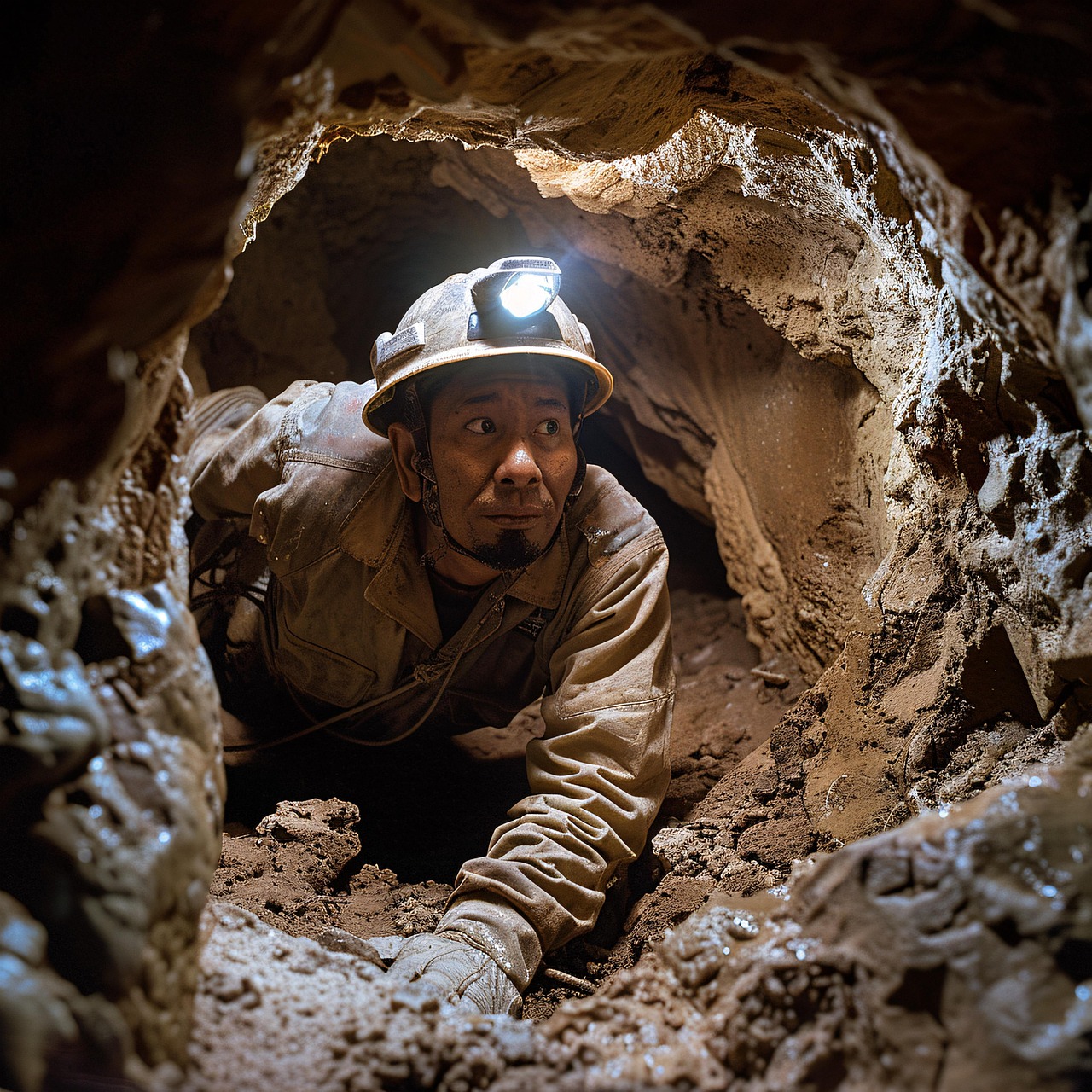

Safety Tips Every Caver Should Follow to Avoid Common Hazards
Caving, or spelunking, can be an exciting adventure, offering breathtaking views of the natural world. However, it is important to recognize that caving can also pose significant risks if certain safety measures are not adhered to. Proper preparation and awareness of possible hazards are crucial in making any spelunking experience enjoyable and safe. Before embarking on a caving expedition, assess the cave’s difficulty level and weather conditions, as they both play an essential role in safety. Always go caving with experienced partners and ensure that all group members are aware of the plans and logistics. Invest in the appropriate gear, such as helmets, sturdy boots, and lights, to withstand potential cave elements. Establish communication protocols among your party, so each member knows what to do if someone gets lost or injured during the expedition. Lastly, always respect cave environments by following guidelines for sustainable caving practices, which can include not littering, avoiding touching delicate formations, and not disturbing wildlife, fostering a safe, fun, and environmentally-friendly caving culture.
Understanding Common Hazards in Caving
In the world of caving, understanding common hazards is crucial for ensuring a safe expedition. One major hazard includes slips and falls, which can occur due to muddy, wet, or uneven terrain inside caves. To mitigate this risk, cavers should wear appropriate footwear with good grip and tread. Additionally, practicing good climbing techniques helps to prevent accidents. Another significant risk involves lighting failures, which can lead to disorientation in dark environments. Always check equipment before the trip, bringing extras like headlamps and batteries. Be aware of cave collapses and falling rocks, particularly in areas known for geological instability. It is wise to watch for loose or unstable formations and keep an eye out for others. Water hazards, such as flooded passages or strong currents in underground rivers, can also pose dangers. Cavers should use a buddy system to keep all members accounted for and assess water conditions carefully before proceeding. Understanding these common hazards can help minimize risks and lead to a successful caving experience.
A crucial aspect of caving safety involves the physical condition of participants. It’s essential to ensure that all cavers in your group are physically fit and capable of handling potentially strenuous conditions. Caving often requires climbing, crawling, and squeezing through tight spaces, so being in good shape will enhance both safety and enjoyment. Before embarking on a caving trip, familiarize yourself with your companions’ physical abilities to avoid overexertion during the expedition. Equally important is maintaining hydration and proper nutrition throughout the journey, as fatigue can lead to poor decision-making. Consuming lightweight, energy-rich snacks can provide the necessary fuel for the adventure. First-aid training is invaluable, too, as injuries can occur even with the best preparation. Knowing how to respond to accidents, such as sprains or cuts, can significantly improve safety outcomes. In addition, bringing a well-stocked first-aid kit specifically geared towards caving injuries can prove helpful. By preparing physically and maintaining awareness of your limits, you can ensure a positive experience underground.
Another key aspect of caving safety is effective communication within the group. When venturing into caves, establishing clear communication protocols among participants helps ensure everyone’s safety. Designate a leader who will guide the group and communicate instructions during the trip. A simple method of non-verbal communication can be established, such as a set of hand signals to use when it’s too loud or dark for verbal communication. In addition, routinely checking in with each other can help maintain awareness of everyone’s well-being. In case of emergencies, having a reliable plan for contacting emergency services is crucial. Carry personal communication devices like walkie-talkies, if possible, and always inform someone outside of the group regarding your caving plans, including the intended duration of the trip and the expected return time. This can be vital for search and rescue teams if anything goes wrong during the adventure. Lastly, consider taking a wilderness first aid course before your expedition to refine your emergency response skills, thereby enhancing safety for all cavers involved.
Essential Gear for Safe Caving
Choosing the right gear for caving expeditions is paramount to ensure safety and comfort. Essential items include helmets with chinstraps to protect against head injuries, particularly in low-clearance areas. A reliable light source, ideally a headlamp supplemented by a flashlight, is vital for navigating dark environments safely. Always pack extra batteries and a backup light to avoid getting caught in darkness. Appropriate clothing is equally important; layers made of moisture-wicking and insulating materials can provide warmth and comfort, while also allowing for movement. Lastly, specialized caving gloves help protect hands from sharp rocks while maintaining grip on uneven surfaces. Also, consider investing in knee pads to protect your knees when crawling through tight passages. A harness can aid in climbing sections, allowing both safety and ease of movement while descending. Carrying a sturdy and practical backpack to hold all gear efficiently is necessary, as it will protect your equipment, ensuring everything remains dry and intact during the journey. Finally, water and nutritious snacks should round out your essential gear to maintain energy levels during the adventure.
Planning your caving trips meticulously enhances safety and overall experience. Research the cave thoroughly before your visit, looking for guides or websites providing essential safety information. Additionally, take note of the cave’s hazards and any regulations you must adhere to, such as guidelines for cave access and the times of year that are safest for exploration. Consult with experienced cavers or local caving clubs to obtain firsthand knowledge regarding the particular cave you intend to visit. Create a trip itinerary detailing your route, the expected duration of the caving journey, and designated break points. This can help in emergencies by providing search teams with critical information about your whereabouts. Also, check weather forecasts for the day of your trip, as conditions can change rapidly, affecting cave conditions. Lastly, maintain a checklist to ensure you have all required gear and safety equipment before leaving for the trip. This level of preparation will build confidence and allow for a stress-free experience as you explore the wonders beneath the surface.
Respecting Cave Environments and Wildlife
When engaging in caving activities, it’s essential to respect both the cave environment and its resident wildlife. Many caves serve as habitats for specific ecosystems, and disturbing these environments can lead to detrimental effects on their delicate balance. Avoid touching or disturbing cave formations, as these formations can take thousands of years to develop. Be aware of the importance of preserving these structures as they contribute to the cave’s natural beauty and historical significance. Furthermore, many caves house unique species of bat populations, which can be endangered or vulnerable. Take care not to disturb or harm these creatures during your exploration. Be conscious of the possibility of contracting zoonotic pathogens from bats; researching potential health risks beforehand is important. When exiting a cave, ensure to pack out all waste, leaving the environment as you found it to protect its integrity and ensure future generations of cavers can also enjoy the beauty of these natural wonders. Following these guidelines fosters a respectful, environmentally-friendly caving culture for everyone involved.