
The History and Evolution of Skateboarding
Skateboarding has a rich history that dates back to the late 1940s and early 1950s, when surfers in Southern California sought a way to experience the surf while on land. They attached wheels to wooden planks, creating a simple side-walkboard device known as the ‘skateboard.’ Early skateboarders experimented with different designs and materials, leading to various types of skateboards. These boards began to evolve from crude designs into more refined versions that catered to greater performance and safety. In the 1960s, skateboarding gained massive popularity, becoming a cultural phenomenon among youth. Skateboard companies like Hobie and Makaha emerged, producing more durable boards, which further fueled the sport’s growth. The introduction of urethane wheels in the 1970s drastically changed skateboarding by providing better grip and smoothness on various surfaces. Skateboarding transitioned from being a mere pastime to a recognized sport, with competitions and specialized events gaining prominence. As the skater community grew, so did its influence on fashion, music, and lifestyle, intertwining skateboarding with broader youth culture. This evolution marked the beginning of skateboarding as an enduring and continually adapting sport.
Skateboard Development in the 1970s
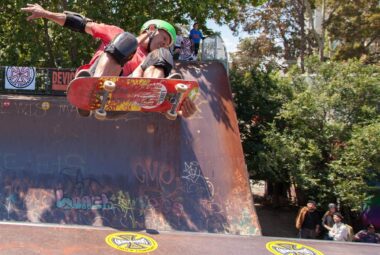
In the 1970s, as skateboarding surged in popularity, the sport began to see significant advancements in board design and materials. Innovations such as the introduction of fiberglass decks and varied shapes increased performance and maneuverability. Skateboarding transitioned from flatland tricks to vertical activities, as skaters began utilizing empty swimming pools and skateparks for their stunts. Notable skateboarders, including Tony Alva and Stacey Peralta, were pivotal in developing the vertical skateboarding scene, pushing the boundaries of what was possible on a skateboard. These athletes helped bring skateboard culture to the forefront, demonstrating gravity-defying tricks that captivated fans and spectators. Competitions like the first-ever National Skateboarding Championships drew large crowds, establishing skateboarding as a recognized competitive sport. The manufacturing of skateboards also saw a boom during this period, with companies like Powell Peralta and Santa Cruz creating boards specifically tailored for performance and style. This led to a diverse range of skateboard designs, attracting a wider audience. The skateboard revolution of the 1970s not only marked a transformative period for the sport but also laid the groundwork for future innovations and trends.
The 1980s witnessed skateboarding breaking into mainstream culture, buoyed by the booming popularity of skate videos and the emergence of iconic brands. As skateboarding entered this new era, its influence began to reach beyond the core community of riders and enthusiasts. The rise of skateboarding legends such as Rodney Mullen and Christian Hosoi contributed significantly to the sport’s growth, as their innovative tricks and styles captured the imagination of young riders everywhere. Skateboarding became linked with various music genres, most notably punk rock and hip-hop, creating a unique subculture that resonated with youth. Skate magazines and videos began documenting the sport, providing a platform for skaters to showcase their skills and creativity. Skate parks started to flourish across the United States, offering dedicated spaces for riders to practice their skills safely. This period also saw a push for sponsorships, as companies recognized the commercial potential within skateboarding. The 1980s was crucial for establishing skateboarding as a legitimate and profitable sport, paving the way for professional competitions and events that would follow in the coming decades.
The 1990s and the Rise of Street Skateboarding
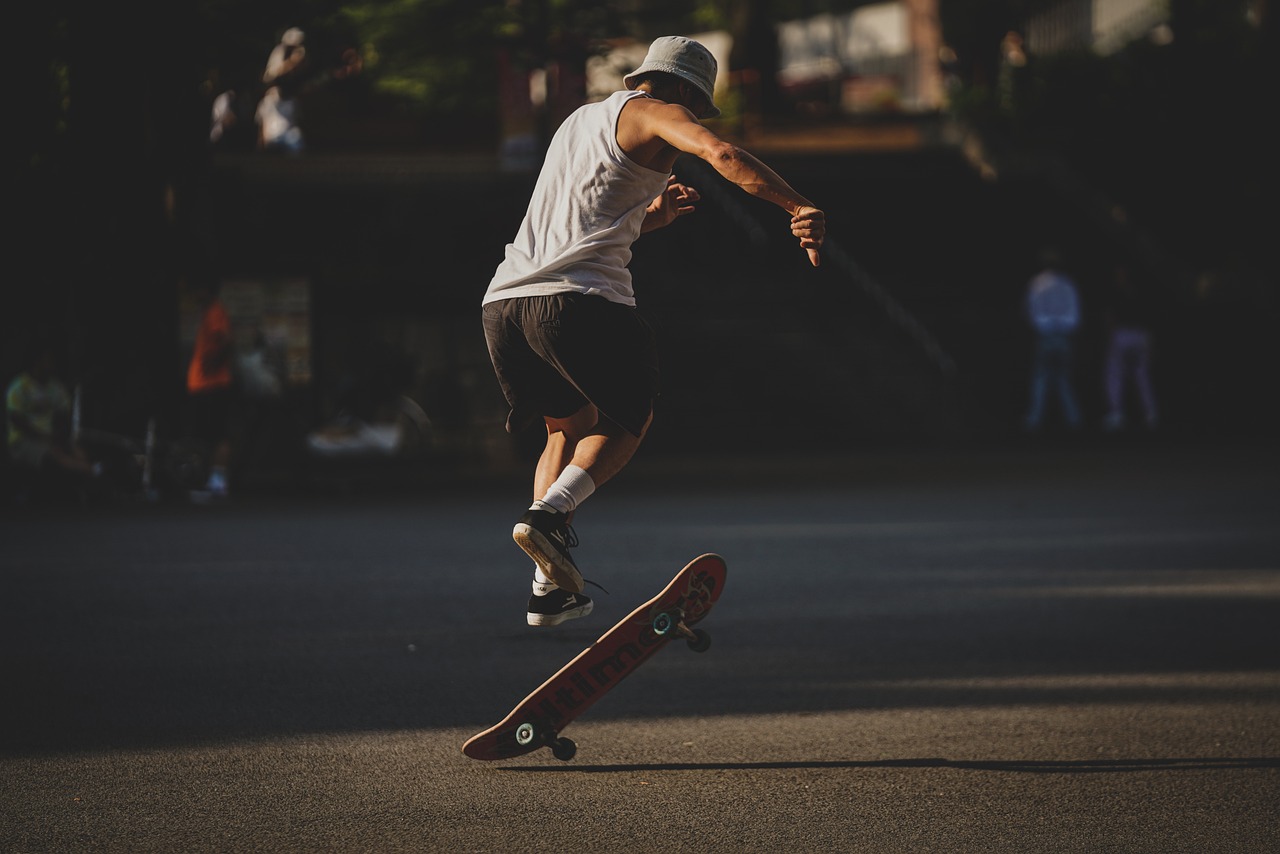
The 1990s ushered in the rise of street skateboarding, which shifted the focus from vert skating to urban landscapes. Skaters started to view cities as their playground, utilizing curbs, rails, and ledges for creative trick execution. The aesthetic of street skating captured the imagination of the youth, as skaters combined athleticism with artistic expression. This era saw the birth of influential skate videos like “Plan B’s Questionable” and “Girl’s Yeah Right!” which showcased the innovative styles of street skaters. As a result, it gained immense popularity, attracting a larger segment of society. Skateboarding competitions became increasingly prominent, with events like the X Games showcasing street skaters alongside vert riders. The commercialization of skateboarding also accelerated during this time, with brands like Element and Dogtown benefiting from the expanding market. Influential skaters became household names, and sponsorships proliferated, leading to a slew of professional skateboarding teams. The 1990s marked a pivotal moment in the evolution of skateboarding, as urban street culture defined its future direction, breaking boundaries and offering fresh perspectives.
The early 2000s continued the trend of street skateboarding, characterized by the emergence of tech tricks and an increase in dedication to the sport. Skateboarding videos began to focus more on the individual personalities of skaters, allowing for a deeper connection between audiences and athletes. The arrival of the internet revolutionized how skate videos were distributed, enabling skaters to reach a global audience. Websites and social media platforms highlighted trick tips, tutorials, and skate culture, transforming the landscape of the sport. Major skate brands continued to sponsor teams and facilitated the growth of skateboarding’s influence on popular culture. Events like Street League and Dew Tour helped to showcase top talent from around the globe, elevating competitive skateboarding’s status within mainstream sports. The influence of skateboarding artists and designers expanded into fashion, as skate-inspired clothing brands gained traction. Skateboard graphics started to reflect artistic expressions from a diverse range of creators and styles, attracting a broader audience. The early 2000s underscored skateboarding’s ascent as a dynamic and multifaceted sport that transcended traditional boundaries.
The Modern Era of Skateboarding
In recent years, skateboarding has solidified its status as a globally recognized sport, gaining official recognition in the Olympic Games. The inclusion of skateboarding in the Tokyo 2020 Olympics marked a significant milestone, as it showcased the sport to an international audience. Present-day skateboarding continues to celebrate diversity and inclusion, with a growing emphasis on female participation and various forms of expression within the sport. The advanced technology of modern skateboards, including improved materials and designs, has further contributed to performance enhancements. Skaters now have access to a wide array of innovative products designed specifically for their needs. Skateboarding competitions have continued to evolve, incorporating new formats and styles to reflect the current trends in skating. The rise of electric skateboards and new skater styles has expanded the realm of possibility within the sport. The continuing evolution of skateboarding culture emphasizes community, support, and the shared love of riding. With skate parks being constructed worldwide, skateboarding remains a symbol of freedom, creativity, and individuality.
As skateboarding moves into the future, it remains essential to acknowledge its roots and the cultural significance it holds worldwide. From its humble beginnings to the exciting developments in technology and trends today, skateboarding serves as a platform for self-expression and creativity. The community surrounding skateboarding thrives on inclusivity and shared values, drawing individuals from diverse backgrounds. As the sport garners more mainstream attention, it continues cultivating those very aspects that made it unique. Skateboarding now serves as a mode of empowerment for many, inspiring young enthusiasts to embrace their individuality and pursue their passions. The global skateboarding community works tirelessly to provide safe, engaging spaces for aspiring and seasoned skaters alike. With the combination of modern technology and skateboarding’s rich history, there will likely be even more exciting developments and directions to come. Whether viewed as an extreme sport or a form of art, skateboarding’s evolution is a testament to its adaptability and enduring appeal. The bond between skaters and the lifestyle surrounding it ensures that skateboarding will remain a vibrant and celebrated sport for generations to come.