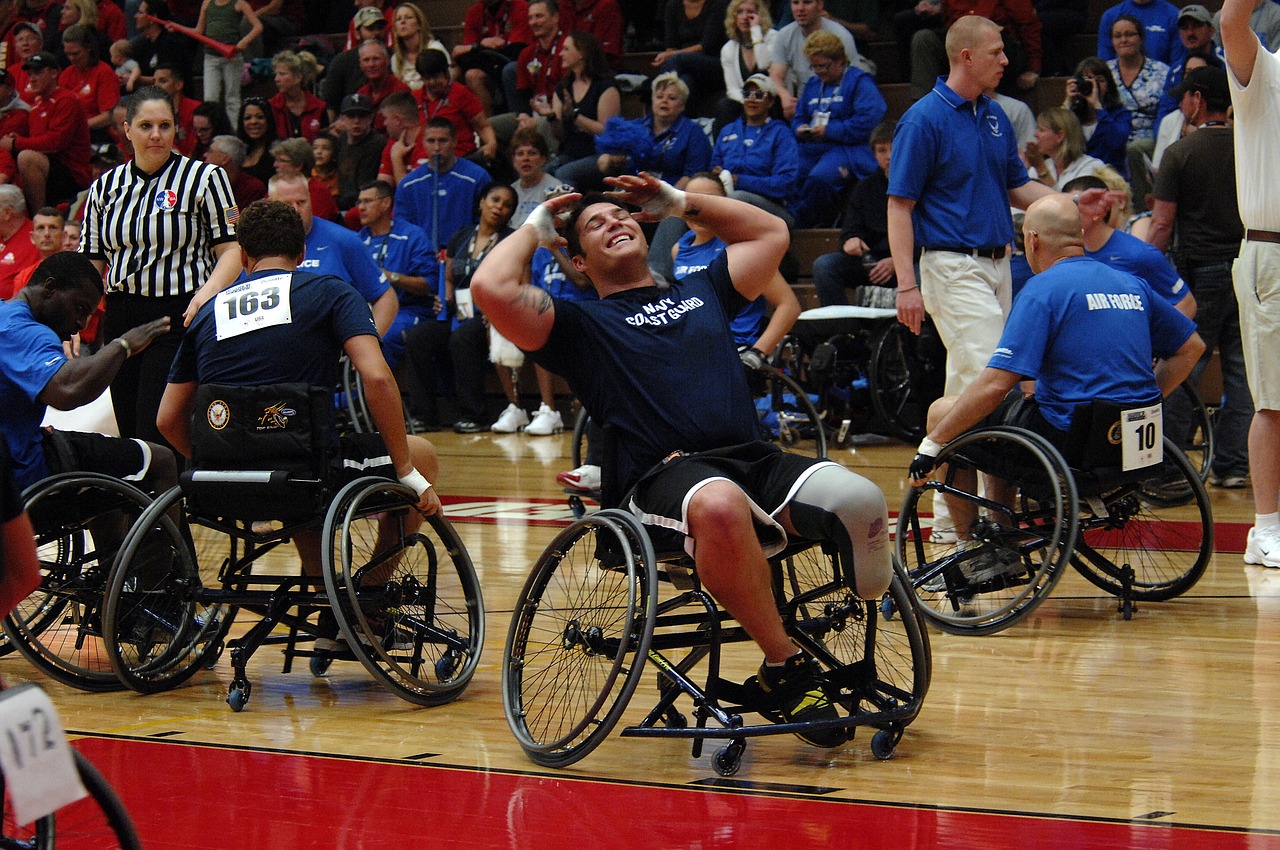

The Impact of Wheelchair Basketball on Mental Health
Wheelchair basketball, as an adaptive sport, offers numerous benefits that extend well beyond physical fitness. This discipline not only fosters physical resilience but also significantly impacts mental health for its participants. Engaging in team sports allows athletes to cultivate social connections, which can combat feelings of isolation often experienced by individuals with disabilities. The camaraderie in wheelchair basketball promotes teamwork, enhancing personal relationships and fostering a sense of belonging. Moreover, participating in such activities can lead to increased self-esteem and self-worth. Athletes become more confident in their abilities, often translating into other life areas. Furthermore, the excitement and competitiveness found in basketball cultivate a positive mindset. This encourages players to focus on personal and team goals, enhancing motivation. The act of setting objectives related to the sport provides a structured approach to personal development. For many, the emotional release offered during gameplay is a crucial element, allowing players to experience joy, adrenaline, and satisfaction. Consequently, wheelchair basketball stands as a prominent avenue for enhancing mental well-being, motivating many to embrace a healthier lifestyle and improve their quality of life.
A key component of the positive impact of wheelchair basketball on mental health is the development of resilience. Engaging in competitive sports like wheelchair basketball requires both physical and mental stamina, pushing athletes to overcome challenges. Players face various obstacles, often experiencing setbacks or injuries along their journey. They learn to accept these hurdles and adapt their strategies, fostering mental resilience. It is through overcoming difficulties that individuals build a more robust character, becoming better equipped to handle life’s unpredictability. Such resilience built on the basketball court reflects positively in everyday life, where individuals become more adept at managing stress and adversity. Additionally, the sense of accomplishment derived from honing skills and contributing to the team embodies a significant boost to mental health. This development empowers individuals, enabling them to face life’s challenges with greater strength. Many players report that their time in wheelchair basketball has illuminated paths to self-improvement and personal growth. Likewise, coaching opportunities arise for many former players, allowing them to mentor new athletes. This role further enhances their mental health as it instills pride and a renewed sense of purpose.
Emotional Growth through Team Dynamics
Engaging in team sports like wheelchair basketball enables individuals to develop essential emotional skills. Team dynamics enhance personal growth, offering shared experiences and emotional support. Creating bonds with teammates encourages players to express emotions and manage feelings of frustration, anxiety, or disappointment. Such open communication fosters an environment conducive to emotional growth. Players learn to celebrate each other’s successes while supporting one another during challenging times. This atmosphere cultivates empathy and strengthens their emotional intelligence. The friendships formed on the basketball court often extend beyond the game, resulting in lasting relationships. This support network helps counteract mental health struggles, offering resources for guidance and shared experiences. Additionally, the celebration of achievements—whether personal or team-related—instills a sense of fulfillment and camaraderie. Participating in collective victories reinforces a shared purpose and joy. As players develop their emotional skills, they become more effective communicators, which aids in navigating other life situations. Consequently, the emotional growth fostered through team dynamics in wheelchair basketball contributes positively to their mental health and broader social interactions. Thus, every dribble and pass carries weight beyond the sport itself.
Moreover, wheelchair basketball provides avenues for self-expression in a unique manner. Athletes often find that the sport allows them to communicate their emotions and experiences through movement and teamwork. Engagement in such a fulfilling activity can become a form of therapy, providing an outlet for stress and emotional release. This unique mode of self-expression helps counter feelings of frustration or anger. Participating in competitive sports involves much more than simply winning; it’s about embracing one’s individuality within a group context. Players can showcase their talents, contribute unique perspectives, and take pride in their achievements on the court. Importantly, this encouragement also extends to maintaining mental health. Many players find a sense of empowerment, thereby inspiring them to confront personal challenges outside the game. The vibrant community develops a culture that not only tolerates but celebrates differences, allowing all individuals to thrive. In doing so, wheelchair basketball promotes acceptance and inclusivity. This multifaceted nature of emotional expression through sport emphasizes the role of wheelchair basketball in fostering mental health and well-being, reinforcing a sense of identity and pride as an athlete.
Encouragement of Active Lifestyles
Another profound effect of wheelchair basketball on mental health is the promotion of an active lifestyle. Regular physical activity, crucial for overall well-being, is often achieved through sports participation. This sport encourages consistent practice, as regular training sessions build skills, strength, and endurance. Consequently, athletes frequently experience enhanced physical health and vitality. The immediate connection between physical fitness and mental clarity cannot be overstated. Increased physical activity often results in improved mood, reduced anxiety, and better sleep patterns. All these factors combine to create a sense of overall well-being. Additionally, team sports foster accountability; players encourage one another to remain dedicated to their fitness regimens. The commitment to training sessions fosters discipline and establishes healthy routines. Many athletes find that this structure enhances their daily lives beyond the basketball court. Moreover, embracing an active lifestyle promotes goal-setting, leading individuals to pursue objectives related to their health. Such aspirations unleash the motivation to thrive, boosting mental health well beyond the confines of the sport. Thus, wheelchair basketball fundamentally reshapes scenarios that players encounter, enhancing their quality of life through newfound enthusiasm for self-care and wellness.
Furthermore, wheelchair basketball gives rise to a heightened sense of achievement. This sport allows athletes to set and realize personal goals within an encouraging environment. Whether the aspirations include refining techniques or improving overall performance, wheelchair basketball provides the perfect platform for growth. These accomplishments serve as potent confidence boosters, fueling unwavering self-belief. Over time, this newfound confidence manifests in various aspects of life, affecting personal relationships and professional efforts. Players often discover that their self-assurance extends beyond athletics, ultimately shaping their interactions with others, enhancing their social skills. The sense of achievement may also motivate athletes to engage in new opportunities, both inside and outside sports. For example, they may decide to pursue leadership roles, volunteer work, or even advocacy for disabled sports. These pursuits become fulfilling extensions of their love for the game. Such empowerment is vital for individuals seeking independence and control over their lives. The enhanced self-worth cultivated through success in wheelchair basketball becomes a foundation for tackling life’s challenges, promoting overall mental health and resilience.
Building a Supportive Community
The social impact of wheelchair basketball reaches far beyond the court, establishing a supportive community for players and their families. Such camaraderie fosters a culture of mutual understanding and encouragement. Being part of a sports community introduces athletes to a network of individuals who share similar experiences and challenges, crucial for combating feelings of isolation. Accessible sport opens doors for social engagement while promoting invaluable friendships. These connections create spaces for sharing resources, tips, and support in navigating life’s struggles. Family members also benefit from the network, as the community provides education and guidance on raising children with disabilities. Additionally, provided resources strengthen connections between players and their support systems. With encouragement and validation, individuals develop greater resilience against societal misconceptions surrounding disabilities. As friendships deepen, members often participate in events, meetings, and outings, further enhancing social bonds. This thriving community plays a significant role in promoting mental health by providing a sense of belonging. Thus, the supportive relationships established through wheelchair basketball become essential for nurturing both social and emotional well-being, amplifying the profound impact of this sport.
In summary, the impact of wheelchair basketball on mental health encompasses various dimensions, ultimately contributing to a holistic sense of wellness. The integration of physical activity, emotional growth, and a supportive environment underscores its transformative nature. Participants of all ages and abilities experience the joy and camaraderie associated with team sports, significantly impacting their quality of life. Increased self-esteem, resilience, and motivation become common themes among athletes, fostering personal development and fulfillment. Additionally, the opportunities for collaboration, empowerment, and expression are paramount in redefining one’s identity and purpose. As communities rally around these athletes, acceptance and inclusivity gain traction, breaking down barriers while reshaping perceptions of disabilities. The enduring friendships formed through shared experiences become lifelines for many, offering comfort and clarity amid challenges. Participants often find themselves driven not just to excel in sports but to advocate for others, thereby further enhancing the community’s strength. Ultimately, wheelchair basketball serves more than a sport; it is a vital conduit for the mental health and wellness revolution.