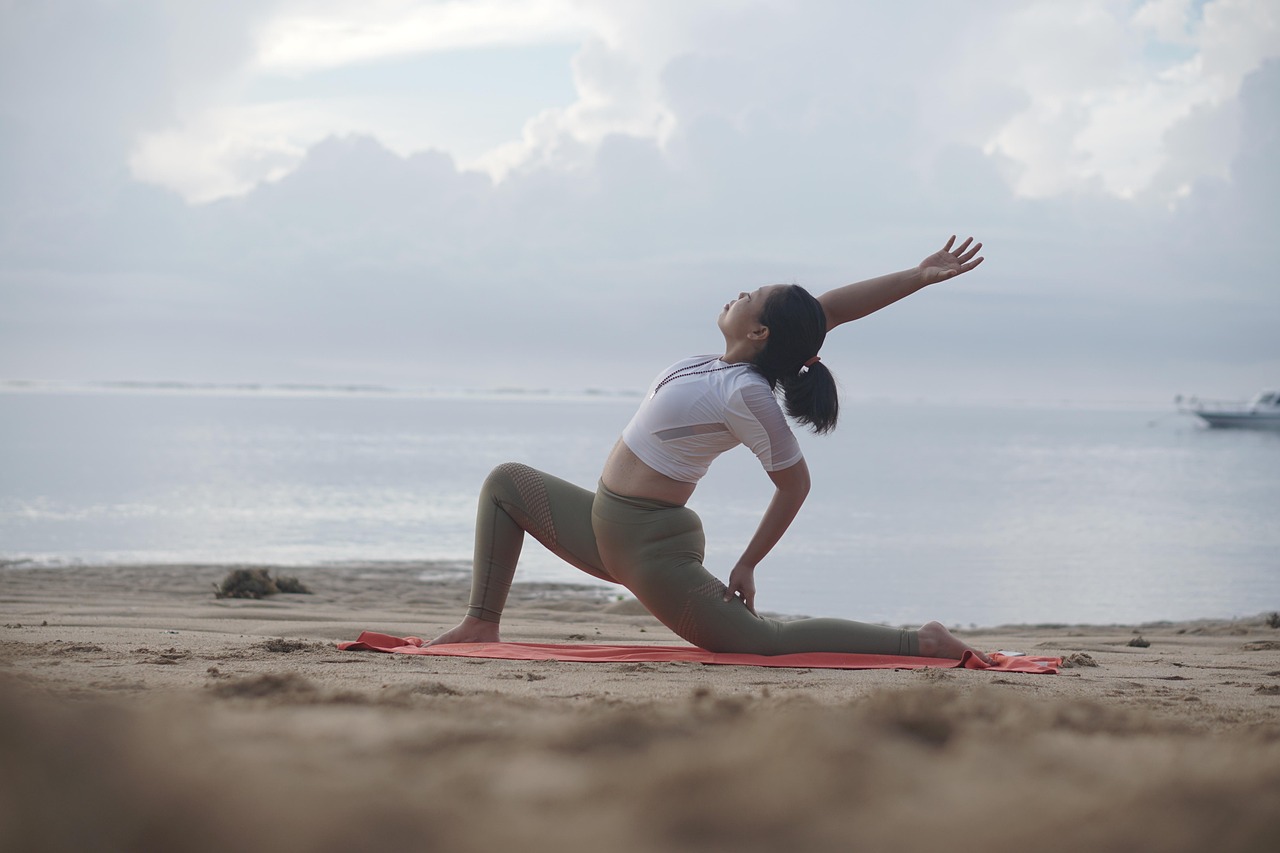

The Role of Breathing During Static Stretching Exercises
Static stretching is crucial for enhancing flexibility and mobility. Effective breathing techniques during these exercises can lead to optimal muscle relaxation and improved overall performance. When you engage in static stretches, ensuring controlled breathing is essential. Inhalations should typically be deep and full, allowing the diaphragm to expand fully. This assists in oxygen delivery to your muscles and helps reduce tension. While performing a stretch, exhale slowly and consistently, which often enhances the stretch’s effectiveness. Some fitness experts recommend focusing on inhaling while initiating a stretch and exhaling during the hold. This technique allows the body to relax and facilitates a deeper stretch. Incorporating rhythms into your breathing pattern, such as a count of three for inhaling and four for exhaling, can also be beneficial. This rhythmic approach helps anchor your focus, ensuring that you remain present in the moment. Many practitioners emphasize finding a comfortable position where you feel the stretch while maintaining good breathing, as this approach can reduce discomfort. Overall, understanding the interplay between breathing and stretching can significantly amplify the benefits of your stretching routine.
To improve flexibility and mobility, understanding how breathing works during static stretching is key. Breath for relaxation is important as it maintains a steady state throughout your stretching routine. As you take deep breaths, your body naturally eases into stretches. Effective stretching is heavily linked to success with breaths that support muscle relaxation. Every deep inhalation nourishes your muscles with oxygen, while a long exhalation helps in releasing any built-up tension. In this context, creating a mental image of your muscles elongating with every breath can improve your focus. Visual cues can enhance your awareness of the muscles being targeted. Practicing mindfulness during your stretching exercises is essential; it allows a deeper connection between the body and breath, leading to greater benefits. The awareness of breath aligns your thoughts and breath, assisting in staying present. Additionally, slowing down your breathing improves concentration, which is vital in maintaining stability during stretches. Thus, investing time into mastering the connection between breathing patterns and static stretching adds immense value to your flexibility routine.
Benefits of Proper Breathing During Stretching
Proper breathing techniques yield numerous benefits during static stretching. Enhanced relaxation leads to better performance as muscles reach optimal lengths. Breathing influences your nervous system; utilizing slower breaths signals your body to relax. Consequently, a relaxed body can reach an extended and less painful stretch. This contributes to longevity in one’s exercise routine, as avoiding pain generally encourages sustained practice. Furthermore, breathable modalities increase the likelihood of injury reduction, keeping muscle fibers intact and healthy for longer periods. Cultivating awareness of breath also brings focus and encourages the practice of mindfulness. Mindfulness increases self-connection; therefore, stretching isn’t just a physical activity, it becomes a mental endeavor. Such an approach provides a meditative quality that reduces stress levels. An ideal environment for stretching should be quiet, where you can concentrate without distractions. As you build familiarity with your breathing pattern, engaging in continuous practice will allow for smoother stretches. When warmth from the breath permeates through your body, it promotes thorough engageability in targeted areas. This synergy between breath and movement becomes an integral part of an efficient flexibility and mobility regimen.
Static stretching also emphasizes the importance of timing your breaths. Synchronizing each breath with movements permits effective elongation of muscles, maximizing the stretch’s impact. Active stretching on top can yield varied results, especially if paired with proper breathing rhythms. The combination of breath control and intentional movement triggers your body’s parasympathetic nervous system. This leads to overall calmness and a gradual firming-up of muscle fibers at a more significant depth. Engaging core muscles throughout the stretch sustain stability as you draw deeper into stretches. Proper torso alignment via breath control serves the purpose of maintaining posture while stretching effectively. This is fundamental, especially for certain static stretches that target larger muscle groups. If a stretch feels painful, inhaling and focusing on breath can alleviate the discomfort. It encourages a reappraisal of the stretch, veering attention away from pain points. Instead of being reactive or forcing yourself into deeper extensions, utilize breath to guide your body gently into the position. Reconnecting with thoughtful breathing creates a safe environment encouraging further exploration of flexibility. Gradual exposures prove less intimidating, making static stretching inviting.
Appropriate Breathing Techniques
There are several techniques to adopt appropriate breathing during static stretching. One prominent method is the diaphragmatic breathing technique, which maximizes air intake. Initiate by placing one hand over your chest and the other over your belly. As you inhale, allow the abdomen to expand rather than the chest; this signifies effective diaphragm use. Once fully inhaled, maintain it for a couple of moments before exhaling steadily. Focus on drawing the air from the bottom of the lungs. This practice works remarkably well in maintaining mental clarity during stretches. Another beneficial technique involves using the 4-7-8 breathing method. Inhale through the nose for a count of four, hold your breath for seven counts, and then exhale slowly through pursed lips for eight counts. Adapting this method lends a calming quality during stretches, anchoring your awareness more effectively. Adopting these techniques into your stretching routine strengthens your ability to remain present and alert. Remember, consistency breeds proficiency with any technique; it translates into both physical relaxation and mental peace. Thus, mastery creates meaningful change in overall performance.
Maintaining a positive mindset during stretching is essential, and breathing plays an integral role. Shifting focus from discomfort to deeper breath awareness allows participants to move through tension with ease. Whenever you notice stiffness, consciously focus on taking deeper breaths. These actions cultivate receptiveness to the process. Mentally associating each breath with a positive affirmation can enhance enjoyment and promote positivity around stretching. Words such as “flexibility” and “freedom” may encourage liberation of the body. Conversely, consider dietary and lifestyle choices that can complement stretching routines. Balanced hydration and proper nutrition nourish muscles and allow effective stretching performance. Any deficiency in these areas can create obstacles during your routines, leading to potential injuries. Foremost, remain attentive in listening to your body; not all stretches will resonate. No stretch should ever warrant pain. Learn to distinguish discomfort from strain in stretching as you refine your preferences. The journey toward better flexibility is a nuanced one, often requiring patience and practice. Adopting a compassionate approach enhances overall routine consistency and elevates your exercise experience while cultivating mobility over time.
Conclusion
In summary, integrating proper breathing into static stretching routines significantly maximizes benefits. From enhanced flexibility to a stronger mind-body connection, the interplay enriches the entire exercise experience. Breathe consciously to enable muscle relaxation, maintain awareness, and bolster performance through effective stretching. Continued practice leads to familiarization with breath patterns, facilitating the transition from novice to proficient practitioner. Be sure to experiment with various breathing techniques to discover what resonates best with your body. The fusion of breathing and stretching creates a holistic approach, cultivating patience and reinforcing the practice. As you dedicate time to explore and understand your limitations, prioritizing both comfort and safety as you advance into deeper stretches will pay dividends. This journey towards flexibility yields more than just physical adaptability; it promotes resilience that transcends the workout mat. Make static stretching a routine part of your life for sustained flexibility gains. Consistent effort will help unlock greater mobility potential. Embrace the transformational nature of breathing in stretching, leading toward a balanced, well-rounded, and fulfilling fitness journey. Remember, flexibility stems not just from practice but from the harmonious interplay between breath and movement.