
The Science Behind Flexibility in Gymnastics
Flexibility is a crucial element in gymnastics, allowing athletes to perform intricate movements that require a high range of motion. Gymnasts often face the challenge of maintaining their flexibility while also increasing their strength and stamina. A comprehensive understanding of the science behind flexibility helps coaches develop effective training programs. To enhance flexibility, specific exercises targeting major muscle groups prove essential. These exercises can include dynamic stretches, static stretches, and foam rolling. Additionally, proper warm-up routines are vital to prepare the body for training sessions. When muscles are warm, they become more pliable, allowing for safer and more effective stretching.
Understanding the anatomy of flexibility can enhance training effectiveness. Flexibility involves the joints, muscles, tendons, and ligaments. These components work together to allow fluid movement. Each gymnast is unique, with different degrees of inherent flexibility influenced by factors such as age, body type, and training history. Developing a flexibility training program tailored to individual needs can bring about better results. When creating this program, it is vital to prioritize consistency in training. Regular stretching routines help increase the muscle’s ability to stretch without injury, leading to improved overall performance. Furthermore, enhancing flexibility positively impacts the gymnast’s balance and coordination.
Key Techniques for Flexibility Training
There are numerous techniques to aid gymnasts in developing flexibility. One effective method is dynamic stretching, which involves controlled movements that stretch the muscles while engaging them. Examples of dynamic stretches include leg swings, arm circles, and lunges. Each of these movements promotes better circulation and prepares the muscles for intense training sessions. Static stretching is another critical component, involving holding a stretch for an extended period. This technique is beneficial for improving the overall length of the muscles, enhancing flexibility over time. Incorporating both dynamic and static stretches into a training regimen ensures a well-rounded approach to flexibility.
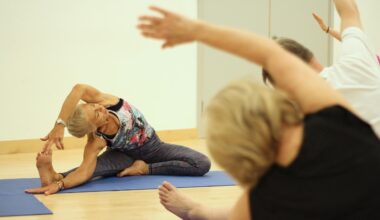
In addition to these techniques, incorporating an active flexibility approach can yield significant benefits. Active flexibility exercises involve using the body’s muscles to hold a position without external assistance. These exercises help build strength essential for maintaining flexibility. Gymnasts can perform active stretches, such as the split, by employing engaging muscles to hold the position. Strengthening muscles while being flexible contributes to improved performance on the mat. Recovery time must also be prioritized in any flexibility training regimen to allow the muscles to recuperate and adapt effectively. Monitoring and adjusting programs will yield better flexibility outcomes.
The Role of Nutrition and Hydration
Proper nutrition and hydration play an important role in maximizing flexibility for gymnasts. A well-balanced diet aids in muscle recovery and performance, ensuring that muscles receive the nutrients they need to thrive. Consuming adequate protein helps repair muscles after intense training sessions. Additionally, vitamins and minerals contribute to overall health and enhance the flexibility routine. Staying well-hydrated supports muscle function and reduces soreness, allowing for a more effective stretching experience. Gymnasts should strive for a diet rich in fruits, vegetables, whole grains, and lean proteins while avoiding processed foods.
Furthermore, pre- and post-training meals can significantly affect performance. Pre-training meals should focus on quick energy sources, like carbohydrates, to fuel the body. Options like oatmeal, bananas, and yogurt can be effective choices. Post-training meals should prioritize protein and carbs for recovery. Foods such as chicken, rice, and vegetables are excellent for refueling the body. Engaging in discussions with nutritionists can ensure that gymnasts follow tailored nutrition plans that address their specific needs. Overall, combining proper nutrition and hydration with effective stretching techniques ensures optimal flexibility in gymnasts.
Monitoring Progress and Adjustments
Monitoring flexibility progress is essential to assess the effectiveness of training programs. Gymnasts should note improvements, setbacks, and milestones, allowing for adjustments to their routines when necessary. This continuous evaluation helps identify which strategies yield the best results. Utilizing tools such as flexibility tests and measuring range of motion can enhance this monitoring process. Additionally, maintaining open communication between gymnasts and coaches fosters an environment for sharing feedback and ensuring that flexibility training remains a priority. Coaches should encourage athletes to share their experiences with both stretching techniques and overall training.
Adjustments to training programs can be made depending on the gymnast’s progress. If a specific flexibility area shows improvement, the focus can be shifted to new goals. This dynamic approach keeps gymnasts engaged while promoting continuous growth. Moreover, addressing any emotional or psychological barriers can enhance performance. Anxiety or stress can hinder a gymnast’s performance. Relaxation techniques, including yoga and breathing exercises, can help gymnasts ease these barriers. Combining flexibility training with mental wellness strategies establishes a holistic training environment that promotes all aspects of a gymnastics career.