
Wearable Tech for Monitoring Posture and Alignment During Exercise
Wearable technology has emerged as a revolutionary tool in exercise physiology, particularly for monitoring posture and alignment. These devices assist athletes and fitness enthusiasts in maintaining optimal body positions, which can significantly enhance performance and reduce injury risks. By tracking biomechanics such as angle of joint flexion and posture deviations during workouts, wearables provide real-time feedback. This feedback helps users adjust their movements immediately, promoting better alignment and reducing strain on muscles. Various wearables incorporate sensors that monitor posture, providing an adaptable interface to teach proper technique. Utilizing augmented reality and haptic feedback techniques, users can visualize their body positioning during exercises. The integration of technology into exercise routines enhances engagement while educating users about their biomechanics. Furthermore, with ongoing innovations in sensor technology, the accuracy of these devices improves continuously, ensuring reliable data for users. This data often syncs with mobile applications, allowing users to track their long-term posture trends, which is essential for sustained progress. Overall, wearable tech represents a substantial leap forward in exercise physiology applications, evidencing how technology bridges the gap between fitness and physical health awareness.
Wearable devices that monitor posture and alignment provide numerous features to assist in achieving ideal body positioning. Typically, these devices utilize gyroscopes and accelerometers to gather data about movement in three-dimensional space. As users perform exercises, the collected data is analyzed to inform them instantly when their posture deviates from the ideal form. Many wearables seamlessly connect to mobile apps that analyze collected data and offer personalized recommendations on how to correct alignment issues. Some devices provide graphical feedback, showcasing users their movements in real-time to facilitate immediate corrective measures. This instant feedback is crucial as it allows users to refine their technique during workouts, leading to improved results. Additionally, wearables may include motivational features, such as reminders to adjust posture or alerts when users perform movements incorrectly. These reminders help to raise awareness about body mechanics and can guide users towards better exercise habits. Furthermore, the integration of machine learning algorithms enhances the device’s ability to offer increasingly customized feedback based on individual performance trends and history, creating a personalized experience unique to each user.
Benefits of Wearable Technology in Exercise Physiology
The benefits of wearable technology in exercise physiology extend beyond improved posture. Proper posture aids in the effective functioning of muscular and skeletal systems, enhancing overall physical performance. Some primary benefits include injury prevention by maintaining optimum alignment during physical activities and reducing unnecessary strain on muscles or ligaments. Additionally, consistent use of posture monitoring devices helps users better understand their body mechanics. This understanding leads to longer-term improvements in exercise routines, as proper form often translates into better results with less effort. Notably, wearables can assist with rehabilitation efforts, enabling healthcare professionals to gather data on patients recovering from musculoskeletal injuries. The data collected can help guide tailored rehabilitation programs focused on restoring normal movement patterns and ensuring correct posture alignment. Moreover, the wearable technology industry continues to innovate, with newer models offering advanced functionalities like posture correction alerts, ensuring users remain vigilant about their body alignment. For individuals looking to enhance their fitness regime or avoid fatigue, maintaining proper posture with the help of wearables can enable smarter, safer workouts.
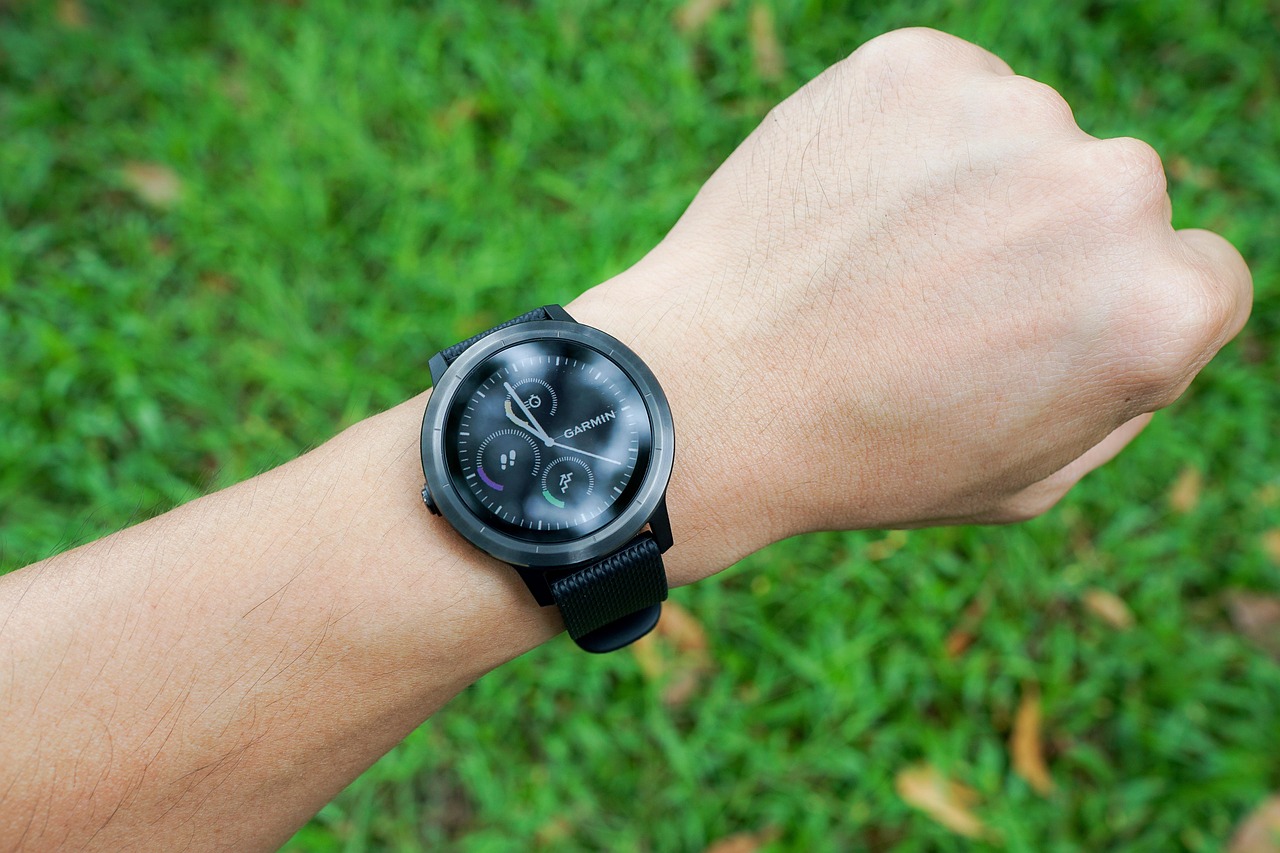
In recent years, various types of wearable technology for posture and alignment have gained popularity among fitness enthusiasts and professionals alike. Smart shirts with embedded sensors are particularly effective in monitoring upper body posture during activities such as strength training or running. These garments provide users with continuous feedback on their posture while blending seamlessly into their exercise routines. In contrast, wearable smart gadgets such as bands or straps can be utilized to monitor specific movements. These devices can be placed around various body parts, such as the wrist or waist, to record real-time posture data, enabling quick evaluations. Wearable devices targeting specific muscle groups or joints allow users to focus their training on particular areas that require improvement. Furthermore, with comprehensive data analysis available through dedicated mobile apps, users can set posture goals and track improvements incrementally over time. This personalized approach encourages adherence to training regimens, fostering a culture of accountability. Many brands also now offer features allowing users to share their data with workout partners or trainers, promoting collaborative motivation and healthy fitness competition.
Challenges in Implementation and Usage
While wearable technology offers numerous advantages, several challenges hinder its widespread adoption and effectiveness in exercise physiology. One of the most substantial challenges is the accuracy of data collected by these devices, which may not always reflect a user’s true posture, potentially leading to incorrect feedback and adjustments. The quality of workouts and resultant data can vary based on several factors, including the type of activity, type of wearable, and the individual wearing the device. Furthermore, users must also manage their engagement with these devices, as continuous reliance on feedback may lead to over-correction or fixation on minor deviations rather than concentrating on overall performance improvements. Battery life and device endurance can also pose limitations, especially during long training sessions. Continued user education is imperative for maximizing the benefits of wearable technology for posture monitoring, ensuring users are equipped to interpret the data correctly and implement the recommended adjustments effectively. Furthermore, many users may face data overload, overwhelming them with information, leading to confusion rather than enhancing their training or rehabilitation efforts.
Another challenge is ensuring user compliance with wearable technology during exercise. To gain maximum benefits from these devices, users must wear them consistently and participate actively in data interpretation. Continuous wear can be interfered by discomfort or issues with connectivity to compatible devices. Moreover, some individuals may struggle to adapt to training philosophies that emphasize data-driven techniques, as they often require a shift from intuitive workouts to more analytical approaches. The education of both consumers and professionals is becoming vital to ensure the adoption of these technologies among athletes, trainers, and rehabilitation experts. Proper training on how to interpret and act on data is essential for maximizing the wearable technology’s value. Collaborative partnerships between technology developers and exercise physiology experts could improve device design and usability, ensuring quality user experiences. Additionally, addressing privacy concerns regarding sensitive motion and health data is crucial, as users may hesitate to engage with wearable technology without assurances that their data is secure and used ethically. Navigating these challenges require coordination between the industry, users, and fitness professionals.
The Future of Wearable Tech in Exercise Physiology
The future of wearable technology in exercise physiology appears promising, with ongoing research continually enhancing its feasibility and practicality. Innovations are focused on designing smaller, more powerful sensors that can provide extensive functionality while maintaining user comfort. Aggregate data analysis through artificial intelligence is also promising, enabling wearables to predict injuries before they occur based on historical data trends. Additionally, the integration of VR and AR into workouts could enhance user engagement by providing immersive training experiences. Combining wearables with interactive environments motivates users to maintain correct posture while performing various activities. Furthermore, future wearables may develop into multi-functional devices capable of monitoring not just posture but also physiological responses such as heart rate, muscle exertion, and recovery metrics. This holistic approach to health and fitness could transform how individuals view their exercise routines. Returning to the significance of user engagement, future designs must focus on creating enjoyable user experiences to promote compliance and consistent usage. As more individuals prioritize health and fitness, leveraging wearable tech in exercise physiology will likely become more common, significantly impacting how people exercise, recover, and remain healthy.
In conclusion, the role of wearable technology in monitoring posture and alignment during exercise showcases the intersection of fitness and innovation. As the importance of maintaining correct posture becomes clearer in relation to physical performance and injury prevention, these devices have the potential to enhance the way individuals approach their workouts. By providing immediate feedback and personalized recommendations, wearable tech offers the tools necessary for users to succeed in their fitness endeavors. The ongoing developments in sensor and data analysis technologies will only enhance these benefits in the future, promoting optimal training experiences. While challenges persist in accuracy and user compliance, addressing these will facilitate wider acceptance of these devices in everyday exercise routines. The future landscape of exercise physiology will be significantly shaped by the advancements and integration of wearable technology, potentially revolutionizing fitness and overall health management. With growing awareness and continuous innovation, incorporating wearables will assist users in understanding their bodies better, adapting their workouts, and ensuring ultimate safety while achieving their fitness goals. Ultimately, wearable technology stands as a crucial ally in the quest for improved posture and alignment, fostering a healthier, more engaged fitness community.