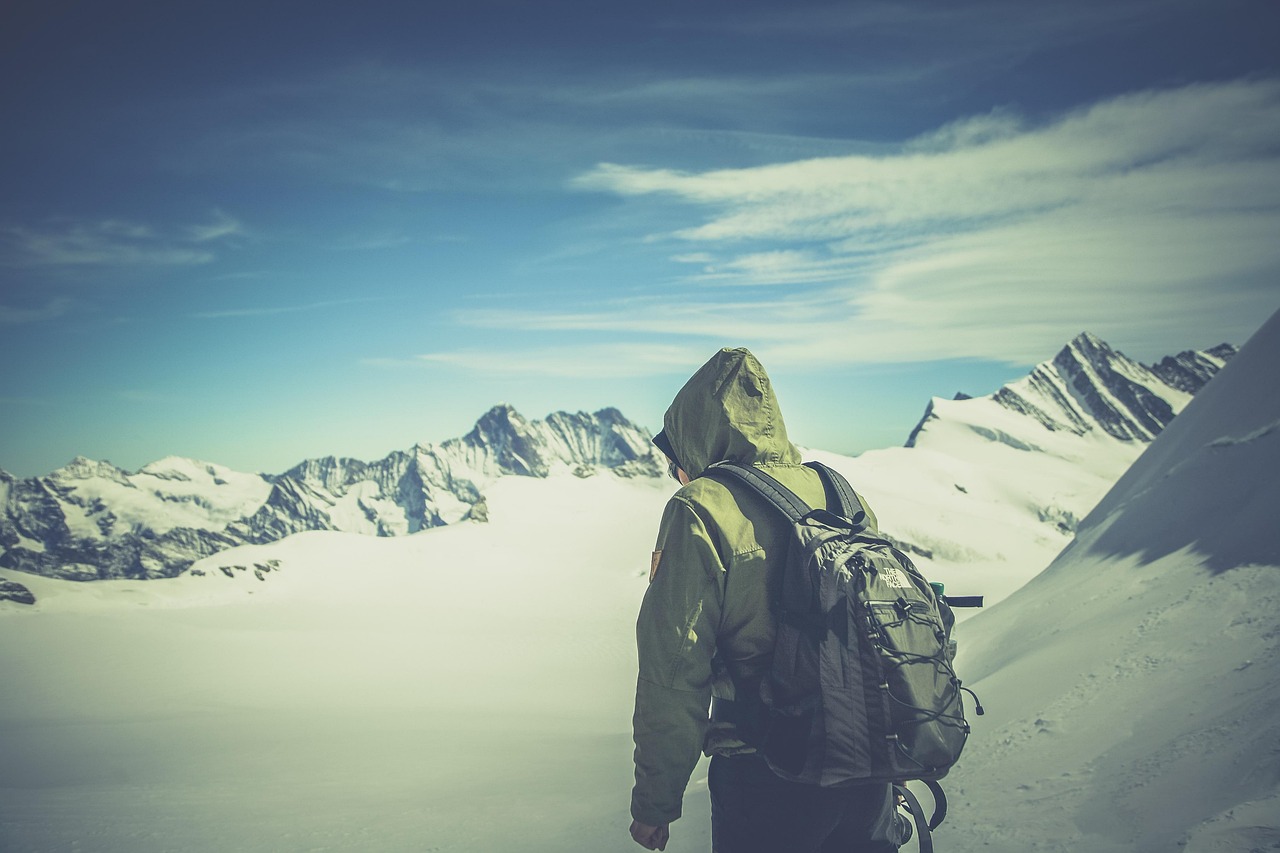

Winter Backpacking: What You Need to Know
Winter backpacking can be an exhilarating adventure that tests your skills and resilience. To ensure you enjoy this experience, it’s vital to prepare adequately. Start by researching the area you plan to explore. Winter landscapes can be treacherous, requiring an understanding of potential hazards. Weather conditions change rapidly; thus, consult weather forecasts before your trip. Ensure you invest in quality gear specifically designed for winter backpacking. This includes insulated sleeping bags, warm clothing, and snow-proof tents. Additionally, consider the nutritional aspect of your supplies. Choose high-calorie foods that are easy to cook and consume on the move. Hydration is equally vital, so carry a reliable water filtration system or snow-melting gear. Pack light and distribute weight evenly in your backpack to maintain balance. Remember, layering is key—opt for moisture-wicking base layers, insulating mid-layers, and waterproof outer layers. Lastly, familiarize yourself with essential winter backpacking techniques such as navigating snow and ice. Safety should always be the priority on these adventures. So, prepare thoroughly and enjoy the beauty of winter in the wilderness while keeping safety in mind.
Planning your route is crucial when embarking on a winter backpacking journey. Choose trails that are well-marked and frequently used, as these are safer options. Avoid remote areas unless you are highly experienced. Carry a detailed map and a compass, and know how to use them. GPS devices can malfunction in winter conditions, so always have backup navigation methods. Share your itinerary with someone who’s not going. Informing them of your expected return is critical for safety and rescue scenarios. Be cautious of avalanche-prone areas, and learn about local avalanche forecasts. A good guidebook can provide valuable insights into the terrain and conditions you might encounter. Additionally, always check trail conditions before heading out, as some paths may be closed or impassable. Reach out to local ranger stations or winter sports groups for up-to-date information. In the winter, daylight hours are shorter, so plan for the limited light available. Start your treks early, ensuring you complete your hikes well before sunset to avoid getting lost in the dark. By planning your route meticulously, you maximize your chances of a safe, enjoyable backpacking experience.
Essential Gear for Winter Backpacking
The right gear is essential for winter backpacking to keep you warm and safe. Begin with a quality backpack that fits comfortably, ideally with a capacity of 50-70 liters. Ensure it can withstand colder temperatures. Invest in a four-season tent designed to handle snow loads and high winds. Look for features like a rainfly and snow flaps for stability and insulation. Sleeping gear is vital. Select an insulated sleeping bag rated for low temperatures, and a sleeping pad that provides extra insulation from the ground. Proper clothing should consist of breathable layers; start with thermal base layers, add a fleece mid-layer, and finish with an insulated, waterproof outer layer. Don’t forget gloves, a hat, and waterproof boots for your extremities. When it comes to cooking, pack a portable stove optimized for cold weather. It’s better to carry lightweight but high-calorie meals that require little preparation. Lastly, a first-aid kit tailored for winter conditions is a must, as injuries can happen. Equip yourself with tools and gear that enhance your experience while ensuring safety amid winter’s challenges.
Staying warm during the cold winter nights is one of the most important aspects of winter backpacking. Layering clothing efficiently plays a pivotal role in regulating body temperature. Avoid cotton clothing, as it retains moisture and can chill you quickly. Instead, opt for merino wool or synthetic fabrics that wick away sweat and provide warmth. Frequent breaks during hiking can lead to cooling, so keep moving at a steady pace to maintain heat. In your sleeping setup, ensure proper insulation beneath you by using an insulated sleeping pad. It minimizes heat loss to the cold ground, helping to maintain warmth while sleeping. Consider using a sleeping bag liner for added insulation and comfort. Before sleeping, take a moment to consume a hot meal and hydrate; this helps to keep your core temperature up during the night. When sleeping, wear a warm hat and avoid sleeping in your wet clothes, as they can cause discomfort and chill. Bringing a small hot water bottle inside your sleeping bag can provide additional warmth. By following these practices, you can ensure a warm and restful night, vital for enjoying your winter backpacking expedition.
Navigating Winter Conditions Safely
Wind chill and snow can create dangerous navigational challenges during winter backpacking. To navigate effectively, ensure you have the essential skills required for snowy conditions. Do not rely solely on technology; carry a physical map and a compass. Understand basic skills, such as reading topography and using your tools. Wear snowshoes or crampons to gain better traction on slippery surfaces. In deep snow, breaking trail can be exhausting; take turns if backpacking with others. Be attentive to signs of fatigue among your group, as winter hiking demands more energy. Always be aware of your surroundings, especially in forested areas where visibility may be limited. Establish regular checkpoints along your route to track your progress and ensure you’re on course. When encountering steep terrain, assess the stability of snow and lookout for signs of avalanches. Carry lightweight avalanche safety gear, such as beacons or probes, when hiking in areas prone to avalanches. By understanding these safety measures, you can more confidently navigate challenging conditions. Be mindful that winter hiking presents unique risks, and awareness is key to a successful journey.
The importance of hydration cannot be overstated when backpacking in winter. Even though you may not feel thirsty in cold weather, your body is working hard and losing fluids. Carry a reliable hydration system, such as insulated water bottles or hydration reservoirs. Always keep your water supply from freezing by using insulated containers or storing them close to your body. Plan meal times effectively to incorporate warm beverages, which can help maintain body warmth. In winter backpacking, melt snow for hydration, but ensure you have a method to purify it before drinking. Avoid caffeine, as it can lead to dehydration; instead, reach for electrolyte-rich drinks to maintain your hydration levels. Monitor your urine color to assess hydration; a clear or light yellow indicates proper hydration. Regular sipping during splits ensures you are providing your body with sufficient fluids. When hiking, take the time to stop and hydrate every couple of hours. Winter air can be extremely dry, compounding the need for sufficient hydration. Stay proactive and ensure you replenish fluids regularly to enhance performance and prevent fatigue.
Embracing the Outdoor Experience
Backpacking in winter presents unique challenges but also incredible rewards. The peacefulness of a snow-covered landscape and the beauty of frozen settings can be awe-inspiring. Plan to be present within nature, and appreciate the tranquility that’s available to you in winter settings. This serene experience can reinvigorate your love for the outdoors. Moreover, adapt your activities to include winter-specific experiences such as snowshoeing or ice climbing to enhance your adventure. These activities can offer new perspectives on familiar trails. Keep an open mind and be ready to learn from each journey and the environment around you. Engaging with fellow backpackers can foster community spirit and provide valuable insights that enrich your experience. Consider joining local winter backpacking groups to connect and share knowledge. Preparing for unforeseen incidents is crucial as well. Always plan contingency options, such as alternative routes or shelters, should conditions worsen. The goal is to connect with nature, embrace adventure, and build lasting memories through safe practices. So, step into the winter wilderness, and allow its beauty to inspire you during your backpacking experience.
In conclusion, winter backpacking requires meticulous preparation and a commitment to safety. Start by educating yourself about the unique challenges posed by winter conditions. Making informed decisions about gear and route selection is paramount for a successful adventure. Continually engage with nature while focusing on safety, hydration, warmth, and navigation skills. Planning effectively and staying aware of your surroundings can make a significant difference in your safety and enjoyment. Take time to appreciate the beauty of winter landscapes that can provide tranquility and solitude. Winter backpacking can be incredibly rewarding—a chance to explore breathtaking environments and enjoy unique experiences. If you take the necessary precautions, you’ll discover that adventure awaits, even in the stark cold of winter. Embrace the journey, foster your outdoor spirit, and build deeper connections with the environment. Share these adventures with others and encourage them to explore winter. Remember that each trip can help you develop skills and knowledge that enhance your backpacking experiences. Above all, prepare well, stay safe, and cherish your winter backpacking adventures.