
Cycling for Mental Health: Getting Started
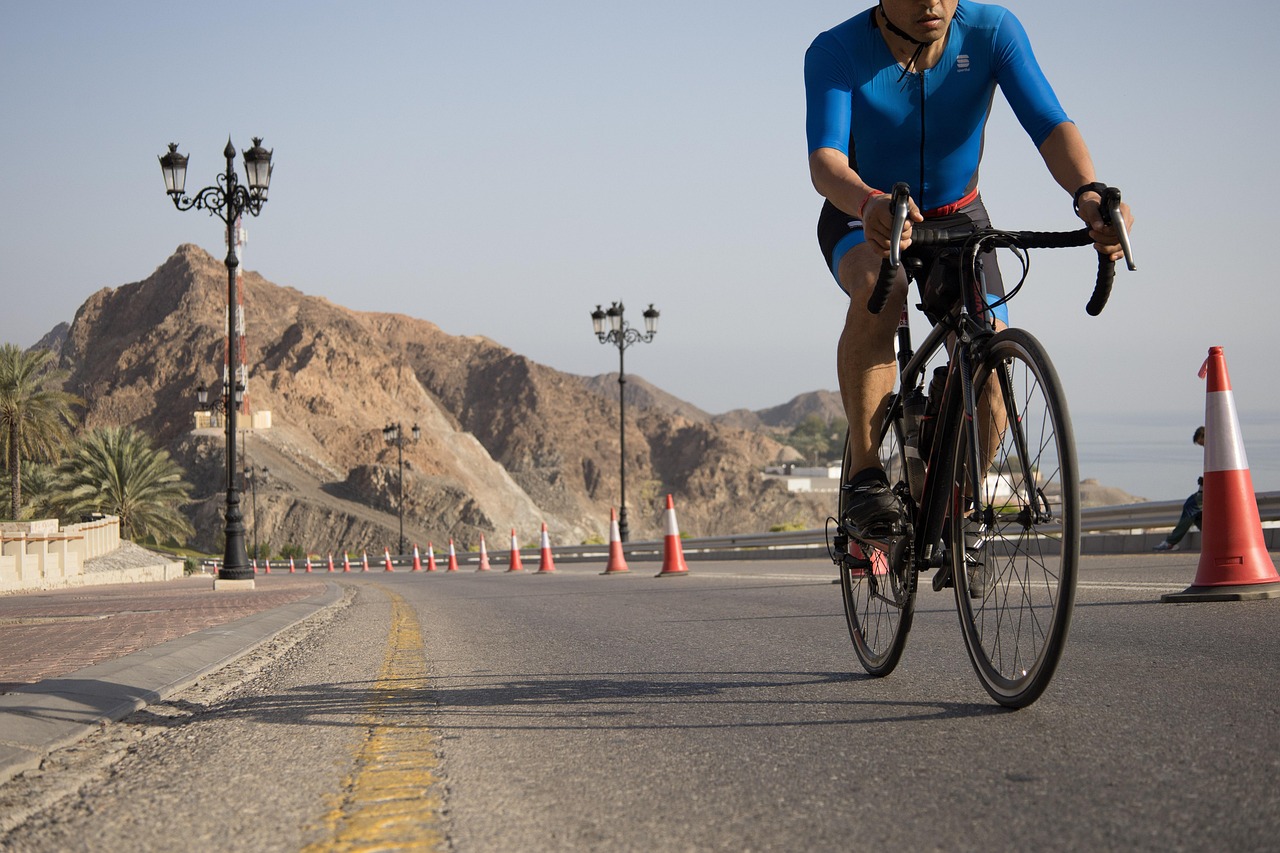
Cycling is not just a means of transportation; it’s also a powerful way to boost your mental health. Many beginners find that this activity combines physical exercise with the benefits of being outdoors, helping to alleviate stress and anxiety. The rhythmic motion of pedaling can help focus the mind, and being in nature enhances feelings of well-being. To start cycling effectively, choose a bike that suits your needs, whether it’s a road bike, mountain bike, or a hybrid. Take time to adjust your bike correctly—height, seat position, and handlebars can all impact comfort and efficiency. Aim to ride in safe, familiar areas to build confidence. Additionally, joining a local cycling group can provide motivation and support. You’ll also benefit from social interaction, which is vital for mental health. Cycling allows individuals to escape daily stressors and immerse themselves in the moment, contributing significantly to mindfulness. Remember, consistent short rides can also yield significant health benefits, both physically and mentally. Consider investing in some essential gear, such as a good helmet and reflective clothing, for safety and comfort while riding.
Benefits of Cycling for Mental Health
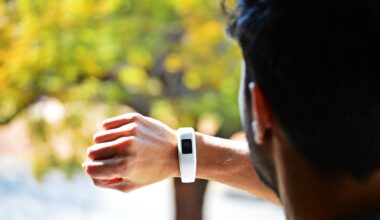
The advantages of cycling for mental health are well-documented, spanning various dimensions. Engaging in outdoor cycling enhances your mood due to fresh air exposure, which increases serotonin levels. This neurotransmitter is linked to improved mood and overall happiness. Cycling also reduces levels of cortisol, the stress hormone, leading to a calmer state of mind. Regular cycling can greatly benefit individuals battling depression, anxiety, or stress, as it promotes physical activity, which triggers the release of endorphins—the body’s natural joy boosters. Another important aspect is the opportunity for social connection. Group cycling events create a sense of community, helping combat feelings of loneliness. Learning to ride can be daunting, so consider taking a beginner class or enlist a patient friend to help you get started. Remember to set achievable goals, whether it’s distance or time, and celebrate your progress. Tracking your rides through apps can also provide a sense of accomplishment. Furthermore, consistent cycling can provide structure and routine, essential for maintaining good mental health, especially in challenging times.
Before embarking on your cycling journey, it’s crucial to prepare adequately. Start by investing in a quality bike that meets your needs, considering factors such as weight, size, and type. Proper safety gear, including a helmet and knee pads, is essential to protect yourself from injuries. Additionally, familiarize yourself with local cycling laws and regulations, ensuring you know your rights and responsibilities as a cyclist. Understanding hand signals for turning and stopping is also vital for ensuring your safety on the road. Start with short, manageable rides to build your stamina and strength gradually; this will help prevent burnout or physical strain. Designate specific times for your cycling sessions to create a routine that you can stick with. Consider exploring different terrains, like parks or bike paths, which can brighten your experience. Lastly, listen to your body; if you experience discomfort or fatigue, take breaks as needed. Hydration is equally important, so keep a water bottle handy, especially during hotter days. Remember to have fun and stay positive; cycling should be an enjoyable experience that promotes wellness and happiness.
Overcoming Challenges While Cycling
Like any new activity, cycling can present challenges, especially for beginners. Some common obstacles include feeling self-conscious, difficult weather conditions, and physical discomfort. To counter these issues, it’s essential to maintain a positive mindset. Start by recognizing that everyone was a beginner once; feel confidence in the progress you’re making. Additionally, it may help to ride with a friend or mentor; shared experiences can alleviate self-doubt. For inclement weather, consider investing in waterproof gear or plan indoor biking alternatives. Physical discomfort may arise during your rides; proper bike fitting and posture can greatly reduce issues like soreness. Utilize padded shorts and suitable footwear, which can improve overall comfort. Moreover, learn the basics of bike maintenance, ensuring that your bike is always in optimal condition. Regularly check the air pressure in your tires and lubricate the chain as needed. Staying educated about your bike’s mechanics not only enhances your cycling experience but also builds confidence. Remember, setbacks are a part of learning, so be gentle with yourself and focus on consistent improvement.
Finding the right community plays a significant role in retaining motivation for cycling. Local cycling clubs often provide an excellent platform for meeting other cyclists. Socializing drives accountability, as teammates often encourage one another to show up for rides. Networking with experienced cyclists can also provide helpful tips and tricks, enhancing your learning curve. Seek online forums or social media groups dedicated to cycling; these can offer valuable insights. Participate in local events, such as charity rides or races, to engage with the cycling community more closely. This fosters a sense of belonging and shared enthusiasm for biking. Keep an eye on family and friends to see if they may also want to embark on cycling ventures together; companionship can bolster enjoyment and foster motivation. Sharing experiences and accomplishments strengthens bonds and can turn cycling into a shared passion. Set shared goals, like participating in a specific ride together, to deepen friendships while achieving fitness objectives. By involving others in your cycling journey, you create a support network, enhancing your overall experience and commitment to this beneficial activity.
Setting Cycling Goals
Once you’ve established your cycling routine, setting specific goals can help elevate your progress and keep you motivated. Begin by defining clear, achievable targets, such as the distance you want to cycle or the frequency of your rides per week. Remember, goals should not be overly ambitious, as this can lead to frustration; always start small and gradually increase the difficulty as you gain confidence. Tracking your progress is essential—consider keeping a journal or using mobile applications designed for cyclists. Regularly review your achievements to celebrate milestones, no matter how small, as they contribute significantly to your motivation. Participating in local cycling events or challenges can provide significant encouragement and a sense of accomplishment. Whether it’s a 10-mile ride or a community cycling fundraiser, these events can inspire you to push your limits while encouraging social interaction. Lastly, remember to adjust your goals as needed; life can be unpredictable, and flexibility can help you maintain a positive attitude towards cycling. Celebrate your resilience as you work towards improvements and enjoy the journey.
In conclusion, cycling serves as a wonderful opportunity to boost mental health while enjoying physical activity. The joys of cycling extend beyond just fitness; riding provides a unique connection to nature, enhances mood, and fosters social bonds. It’s a fulfilling way to take care of your mental well-being, reducing anxiety and stress while creating enjoyable habits. By starting small and building on your experience, you can turn cycling into both a hobby and a lifestyle. Engaging in this activity can enhance mindfulness and presence, promoting overall happiness. Keep in mind that your body and mind will benefit from the fresh air and exercise. Remember to explore cycling as an adventure, discovering new paths, local parks, and trails. Each ride becomes a new experience, filled with discovery and challenge. As you continue along your cycling journey, maintain patience with yourself, enjoying every moment along the way. Ultimately, cycling fosters personal growth, resilience, and community connection. So get started and pedal your way towards better mental health, well-being, and enjoyment in life.