
How Activity Trackers Support Rehabilitation After Injuries
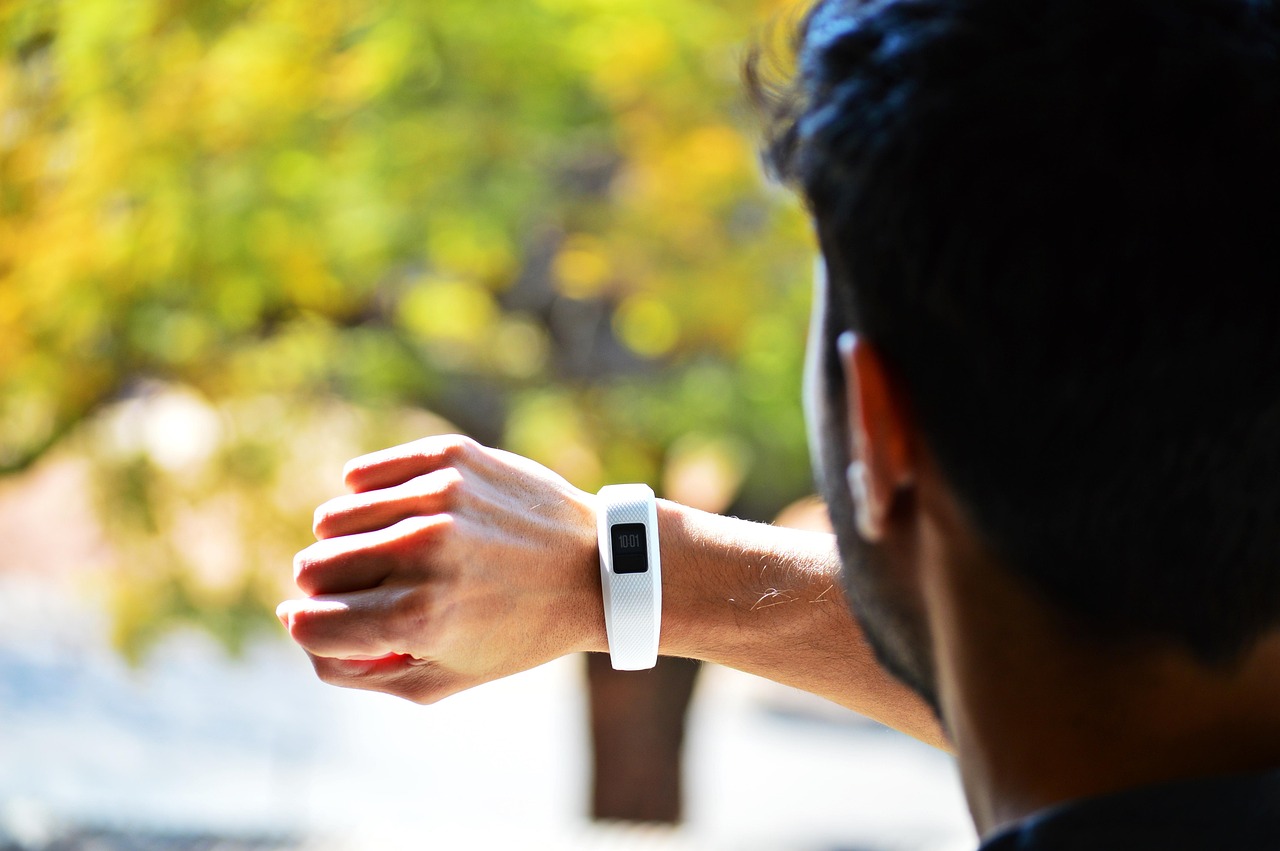
In today’s fast-paced world, rehabilitation after injuries has greatly transformed with the integration of fitness technology. Activity trackers play a vital role in this transition, providing both patients and clinicians with real-time data on recovery progress. These devices range from smartwatches to specialized wearables, offering insights into various metrics that can significantly aid rehabilitation efforts. By monitoring heart rate, step count, and caloric burn, activity trackers help patients and healthcare professionals understand activity levels. Such data facilitates tailored rehabilitation programs that adapt based on individual progress, which enhances healing and prevents further injury. The convenience of having this information readily available allows users to stay motivated. Additionally, the tracking features encourage the gradual increase of activity levels, which is crucial during recovery. This gradual progression helps to build confidence while ensuring safety. With the capability to set goals, users can track their achievements, leading to a more engaged rehabilitation process. Overall, activity trackers are essential tools that promote accountability, motivate patients, and provide valuable insights necessary for effective recovery.
Using activity trackers enhances communication between patients and their healthcare providers. These devices allow for real-time updates, enabling clinicians to monitor the rehabilitation process without the need for constant physical visits. Patients can share their activity logs directly with their doctors, thereby fostering a more collaborative approach to recovery. This transparency facilitates better decision-making, as practitioners can adjust treatment plans based on actual activity data. As a result, individuals regain autonomy in managing their rehabilitation journey, which enhances overall satisfaction with the process. Moreover, the gamification aspects of many trackers help to motivate users to achieve specific goals. Setting daily targets can make recovery feel more rewarding and less daunting. Patients who track their progress often report higher levels of motivation and commitment to their rehabilitation routines. With wearables becoming more advanced, features such as vibration alerts for inactivity can further encourage individuals to stay active. Hence, the combination of motivation, accountability, and real-time feedback fosters a holistic approach to rehabilitation. Users are not just passive recipients of care but active participants in their recovery, which ultimately leads to more successful outcomes.
The Role of Mobile Apps in Activity Tracking
Many activity trackers come paired with mobile applications that enhance the overall experience and effectiveness of rehabilitation. These apps offer detailed analyses of the data collected by the tracker, allowing users to visualize their progress over time. Through user-friendly interfaces, individuals can easily track their daily activity, set new goals, and even log their feelings or pain levels along with physical metrics. Such detailed tracking can help identify patterns that might affect recovery. For example, if increased activity correlates with more pain, patients and providers can work together to adjust the rehabilitation plan accordingly. Many apps also feature social sharing options, enabling users to connect with friends and family. This connectivity fosters a support network, crucial for maintaining motivation. Engaging with others who are also recovering can create a sense of camaraderie and make the rehabilitation experience less isolating. Additionally, reminders for activities can help users stay on schedule with their rehabilitation programs. These mobile applications often include educational resources, providing users with valuable information about their specific injuries and paths to recovery, thus completing a comprehensive support system.
One of the standout features of most activity trackers is their ability to provide personalized feedback based on users’ performance. This customization can significantly impact rehabilitation by allowing healthcare providers to tailor exercises and recovery strategies that align with patients’ specific needs and abilities. For example, knowing how far a user can walk each day without pain helps in designing a progressive walking plan that gradually increases in intensity. These trackers can also monitor sleep patterns, which are essential for recovery. Adequate rest and sleep are foundational elements in the healing process, and trackers provide insights that help individuals understand their sleep quality. By analyzing sleep data alongside activity levels, both users and providers can identify whether increased activity affects sleep patterns negatively or positively. Furthermore, many activity trackers offer reminders to take breaks and suggest light stretching exercises. This gentle nudging encourages users not to overexert themselves while also promoting regular movement throughout the day. Overall, this personalized approach not only makes rehabilitation effective but also helps ensure users feel cared for during their recovery journey.
Motivational Aspects of Wearable Technology
The motivational aspects of activity trackers significantly contribute to successful rehabilitation after injuries. These devices gamify the process of recovery, turning what can be a monotonous regimen into a more engaging experience. Many trackers offer challenges, where users can compete against themselves or friends, adding a layer of fun to their rehabilitation efforts. Such features can encourage users to stay active, making it easier to adhere to their prescribed rehabilitation exercises. The positive reinforcement provided by celebrating small milestones, achieved through the tracker, can bolster motivation and help maintain the momentum necessary for full recovery. Furthermore, users can receive rewards or badges for achieving certain fitness goals. This acknowledgment can be instrumental in helping individuals stay focused on their rehabilitation objectives. Many people find that having a ‘goal’ to strive for helps them to avoid feelings of frustration or despair during challenging recovery times. The social connectivity aspect, where users can share their successes, enhances motivation through community support. Ultimately, a motivated individual is more likely to engage fully with their rehabilitation program, leading to shorter recovery periods and improved outcomes.
Activity trackers also foster a sense of accountability that can be crucial during the rehabilitation process. The data collected serves as proof of commitment, making individuals more likely to follow through with their exercises. This accountability is particularly beneficial for those who may feel discouraged or isolated during recovery. By using the insights gained from their trackers, patients can analyze their progress over time, making adjustments as needed. Seeing improvements, no matter how small, can be a powerful motivator in maintaining determination. Moreover, healthcare providers can use the information from these devices to offer constructive feedback and encouragement. Regular discussions based on tracking data may reinforce the importance of adhering to rehabilitation protocols. As a result, activity trackers not only serve as a tool for physical recovery but also promote mental well-being. The significance of mental health during rehabilitation cannot be overstated, as positive reinforcement and verified progress can help to reduce anxiety and frustration related to injury recovery. Consequently, activity trackers present an all-encompassing solution that addresses both physical rehabilitation and emotional support.
Future Trends in Activity Trackers for Rehabilitation
As technology continues to evolve, the future of activity trackers in rehabilitation looks promising. Innovations in biometric sensors will likely enhance the precision of the data collected, providing more in-depth insights into recovery patterns. Future wearables may integrate advanced artificial intelligence to offer predictive analytics, helping users anticipate potential setbacks based on their activity trends. By utilizing machine learning algorithms, these devices could suggest personalized rehabilitation plans that adapt in real-time according to users’ progress. Additionally, the integration of virtual reality and augmented reality is being explored, enabling immersive rehabilitation experiences that can make exercises more engaging. Imagine wearing a VR headset while using an activity tracker, creating motivating environments for users navigating their recovery journeys. Another trend includes the increasing focus on mental health integration within wearables. As mental well-being becomes a more recognized aspect of physical rehabilitation, we might see trackers that monitor not only physical activity but also stress levels and emotional states. These advancements are set to transform how rehabilitation programs are delivered, making them more dynamic, personalized, and effective in supporting recovery after injuries.
Activity trackers have redefined rehabilitation after injuries by integrating fitness technology with comprehensive tracking benefits. They provide valuable data and feedback that empower both patients and healthcare providers. Patients using these wearables experience enhanced motivation through gamification and accountability aspects that make rehabilitation a more engaging process. With the ability to set goals, share data, and receive real-time feedback, individuals gain a sense of control over their recovery journeys. The future appears radiant as advancements in technology continue to improve the efficacy of these devices in rehabilitation settings. From more sophisticated tracking capabilities to the incorporation of AI and virtual reality, the landscape of injury recovery is evolving. The potential for activity trackers is immense, making them crucial tools for enhancing the rehabilitation process and ensuring successful patient outcomes. As public awareness of their benefits continues to grow, more patients are likely to embrace these devices as essential companions on their journey to recovery. Thus, the role of activity trackers in rehabilitation underscores the significance of fitness technology in today’s healthcare paradigm. Ultimately, these tools exemplify how innovation and personal commitment can work hand in hand to support healthier lives post-injury.