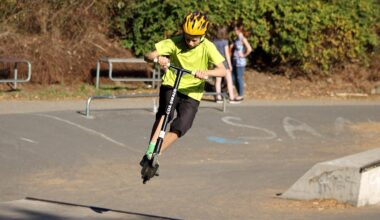

How Green Spaces Promote Regular Physical Exercise
Access to green spaces has a profound impact on the motivation to engage in regular physical exercise. Nature plays a vital role in not just enhancing the physical environment, but also contributes to mental well-being. Individuals living close to parks or green areas are more likely to incorporate outdoor activities into their routines. Studies show that urban design, which includes parks, gardens, and tree-lined paths, can encourage walks or jogs. These spaces provide aesthetic pleasure, which reduces the mental barriers that often prevent people from exercising. Furthermore, being surrounded by nature can boost feelings of happiness and tranquility, motivating individuals to pursue a more active lifestyle. In turn, communities with abundant green space experience lower rates of obesity and chronic diseases. Therefore, investing in these areas reflects a commitment not just to beautifying urban landscapes, but also to enhancing public health outcomes. Local governments should focus on creating and maintaining accessible green spaces that invite regular use. Making a conscious effort to integrate these areas into everyday life can significantly improve physical activity levels in diverse populations.
The availability of green environments encourages a range of physical activities, especially when individuals have access to community parks and recreation centers. Amenities like walking trails, sports fields, and fitness zones, motivate people to exercise more regularly and to choose healthier lifestyles. Moreover, these places foster social interactions that can help break down barriers to exercise. When people exercise in groups or participate in community fitness events in green areas, they are more likely to maintain this habit. Enhanced motivation arises when individuals experience support and camaraderie. Additionally, the physical layout of a city plays a significant role; walkable neighborhoods with bike paths and parks promote daily exercises like cycling or walking. This accessibility nurtures a culture of movement, which ultimately benefits the entire community. Raising awareness about the health advantages of exercising in these green settings can empower residents to take advantage of their environment. Thus, transforming underutilized land into vibrant public spaces can be fundamental in fostering a culture of physical activity, which leads to a healthier populace.
The Psychological Benefits of Green Spaces
Engaging with nature within green spaces has unique psychological benefits, significantly affecting motivation levels for physical exercise. Natural surroundings help in reducing stress and anxiety, which may otherwise hinder one’s desire to engage in physical activities. The tranquility found in parks or gardens inspires individuals to escape daily pressures and focus on their health and well-being. Research suggests that exposure to nature fosters positive emotions, making people feel more energized and willing to participate in exercise. Green environments also promote creativity and cognitive function, enhancing the overall ability to commit to one’s fitness goals. The mere sight of greenery raises spirits, encouraging people to move more freely without the fear of judgment. Furthermore, experiences in nature serve as powerful reinforcers by associating physical exercise with pleasant emotions. Such experiences can catalyze routine formation, where regular physical activity becomes a rewarding habit. Cities that prioritize green spaces effectively contribute to the emotional health of their citizens, inspiring motivation for movement. This demonstrates that effective urban planning should consider the psychological and emotional connectivity of green surroundings to exercise habits.
When we consider the broader social implications, green spaces also serve as venues for community building, which enhances motivation for physical activity. These spaces foster social interactions that strengthen ties among residents and encourage group exercise sessions. Communities with parks often organize activities like yoga classes or outdoor sports, making it easier for individuals to participate. By creating supportive networks, people feel encouraged to pursue physical fitness together rather than isolating themselves at home or indoors. Community engagement in green areas sparks motivation due to the shared experiences that people enjoy. For families, green spaces become integral playgrounds for children, promoting family-oriented activities such as playing tag or riding bikes. As parents model active lifestyles, children adopt these habits, instilling a culture of physical health that can last a lifetime. The sense of belonging cultivated in these communal environments can be a powerful motivator. Overall, public health initiatives should emphasize the importance of accessible green spaces to foster an active society, which contributes positively to overall health outcomes.
Designing Effective Green Spaces
To maximize the motivational benefits of green spaces, they must be intentionally designed and maintained to cater to community needs. Effective landscaping, inclusive amenities, and accessibility should be prioritized to appeal to diverse populations. Engaging local communities in the planning process ensures these spaces meet the desires and preferences of residents. Research indicates that well-designed parks that include walking paths, fitness stations, and open fields encourage more people to engage in physical activity. Offering a variety of activities, such as playgrounds, sports courts, and picnic areas, captures the interest of different age groups, promoting regular usage. Intuitive design that reduces barriers, such as clear signage and safe access points, enhances user experiences. Moreover, effective lighting and regular maintenance can create a welcoming atmosphere, encouraging people to feel safe when exercising. Sustainable efforts in landscaping that emphasize native flora also offer ecological benefits. Designs that enable physical activity can be complemented with areas for relaxation, promoting mental and emotional well-being. Therefore, prioritizing intelligent design can play a pivotal role in encouraging community engagement in physical activities.
The role of urban planners becomes crucial in integrating green spaces into city landscapes effectively. Stakeholders must collaborate to create environments that not only attract residents to parks but also motivate them to lead active lifestyles. This collaboration can ensure that all demographics have access to physical activity opportunities in their neighborhoods. Integrating fitness trails, interactive exercise equipment, and community gardens can appeal to varied interests and enhance social cohesion. Furthermore, urban planners should prioritize maintaining these spaces, ensuring they remain clean, safe, and inviting for exercise. Public awareness campaigns that inform residents about the health benefits of using these green areas can significantly bolster participation. Additionally, city budgets should accommodate the ongoing upkeep and enhancement of these spaces to maintain community interest. Encouraging partnerships with local organizations can also boost participation in fitness and wellness programs held in parks. Through collaborative efforts, enhanced community engagement can lead to sustainable usage of green spaces, which ultimately promotes regular physical exercise. Thus, urban planning can profoundly shape physical activity levels through thoughtful green space integration.
The Future of Green Spaces in Urban Planning
The future development of cities must incorporate the principles of sustainability and community wellness by expanding green spaces. As urban areas continue to grow, the need for accessible green environments becomes ever more pressing. Several forward-thinking cities are embracing these ideals, recognizing the immense potential of parks not only for recreational use but also for public health benefits. The integration of green roofs, vertical gardens, and greenways highlights innovative approaches to incorporate greenery into dense urban settings. Such developments serve to improve air quality, reduce urban heat, and promote biodiversity, alongside encouraging physical activity among residents. As public awareness of the benefits of green spaces escalates, there will likely be increased activism and demand for improved access to these areas. Engaging citizens in monitoring and maintaining parks can foster a greater sense of ownership and responsibility, enhancing motivation to use these spaces regularly. By prioritizing green spaces, communities can pave the way for a healthier, more active future, highlighting the connection between environment and physical well-being. Thus, the direction of urban planning must be guided by the principles of accessibility, sustainability, and community health.
In summary, green spaces play an essential role in promoting regular physical exercise by providing accessible environments that enhance motivation and foster community well-being. The benefits are multifold, affecting physical and psychological health, as well as creating opportunities for social interactions. As urban areas continue to expand, thoughtful design and planning will be crucial to ensure that every individual has the opportunity to reconnect with nature and embrace physical activity. By prioritizing green spaces, not only do communities enhance aesthetic value, but they also promote healthier lifestyles, ultimately leading to improved quality of life. Each investment made toward green spaces can lead to lasting impacts, encouraging more individuals to engage in exercise and reduce the prevalence of related health issues. The collaboration between urban planners, community members, and local governments is foundational to achieving these goals. With dedicated efforts toward maintenance, awareness, and sustainable practices, we can ensure the continued success of green spaces in promoting physical wellness. Therefore, it is imperative that cities commit to integrating these vital areas for the benefit of all citizens in the future.