
Incorporating Plyometric Aerobic Dance Into Your Daily Workout
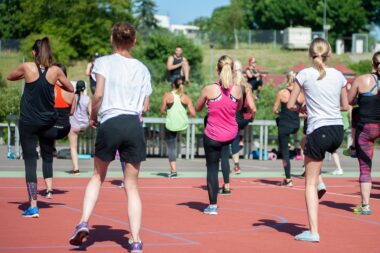
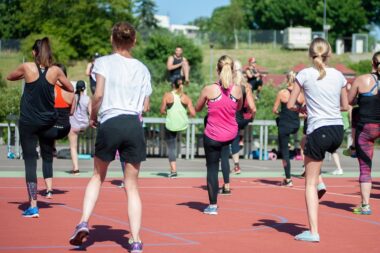
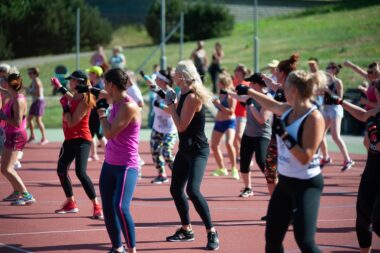
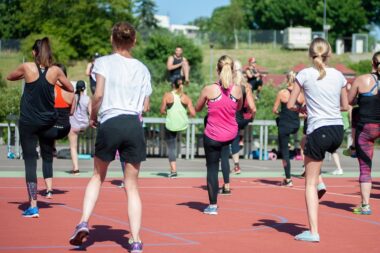
Plyometric aerobic dance drills are an exciting and exhilarating way to integrate cardio into your workout routine. Incorporating these movements can diversify your training, elevate your heart rate, and significantly boost your stamina. As these exercises rely heavily on explosive movements, they blend traditional aerobic dance with high-intensity plyometrics. As a result, you get a heart-pumping, rhythm-driven experience that can improve your coordination while maximizing calorie burn. Not only does this workout enhance cardiovascular fitness, but it also strengthens muscle groups, particularly in the legs and core. Engaging in plyometric dance drills helps develop coordination, agility, and balance as they often require fluid transitions between various moves. Implementing a structured schedule, aiming for three to four sessions a week focusing on these drills, can lead to improved performance in other activities. Furthermore, the rhythmic rhythm and beats of the exercises make this workout exceedingly enjoyable, allowing participants to express themselves while getting fit. Whether performed in a group class or at home, plyometric aerobic dance drills can dramatically transform your approach to fitness. Discover those moves that resonate with you and enjoy the journey of movement.
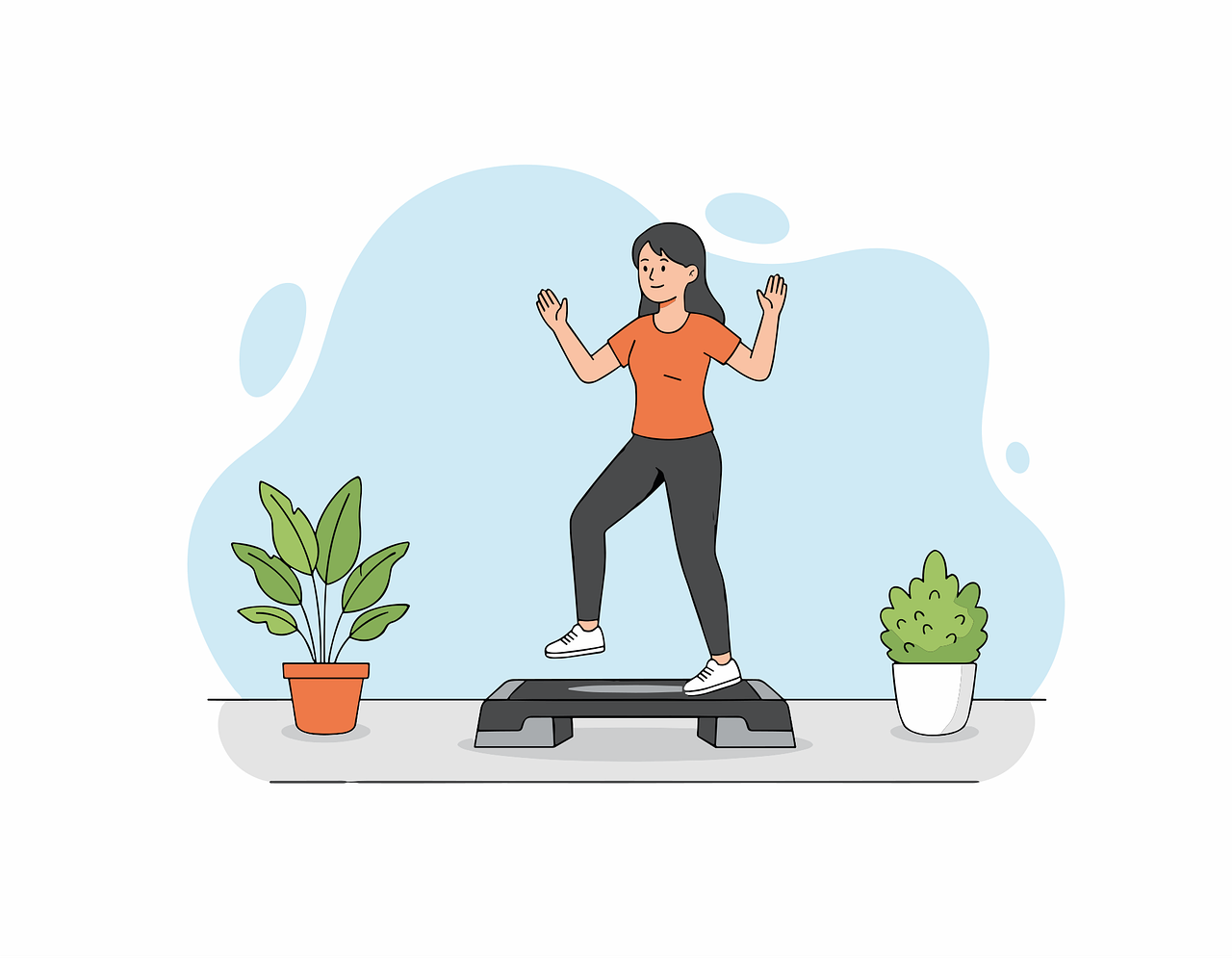
Plyometric aerobic dance drills not only focus on cardio fitness, they also bolster muscular strength. Engaging multiple muscle groups in an energetic rhythm encourages muscle development and endurance. These drills combine powerful jumps, dynamic footwork, and dance maneuvers, fostering a complete-body workout experience. Before starting, it’s essential to warm up to prepare both the mind and body for vigorous exertion. A good warm-up can include stretches, light jogging, and dynamic movements to activate the necessary muscle groups. Once warmed up, participants can dive into various dance styles integrated with plyometric elements. Popular genres like hip-hop, jazz, and even Zumba often incorporate these explosive moves, enhancing the fun of the workout. Additionally, participants can modify the intensity and speed of exercises to suit their fitness levels. This flexibility allows beginners to ease into the drills while still providing enough challenge for advanced fitness enthusiasts. Incorporating plyometric rest intervals can also enhance recovery and prevent potential injuries. Remember to listen to your body and adjust movements when necessary, maintaining safety while exploring the energetic dance realm.
Designing Your Plyometric Dance Routine
When designing your plyometric aerobic dance routine, it’s vital to ensure it includes a variety of movements that engage different muscle groups. A well-rounded routine should encompass warm-up, main workout, and cooldown stages. Begin with dynamic stretches to loosen up tight muscles and prepare the body for later movements. Next, transition into the high-energy section with jumps, hops, and dance patterns that prompt quick changes and transitions. Utilizing upbeat music helps keep the mood lively and motivates participants to remain engaged with every step. Icons of aerobic dance can inspire your routine, ensuring a mix of light and intense movements to cater to different fitness levels. Including brief breaks can give participants a chance to catch their breath and maintain high energy throughout the session. Experiment with various movements and rhythms to determine the most enjoyable flow for your workout. As you evolve in your plyometric dance journey, you can replace or modify drills depending on your fitness goals. Finally, remember to cool down with some static stretching to enhance flexibility and aid recovery post-exercise.
Plyometric dance drills present a significant advantage for those looking to manage their weight effectively. By incorporating high-intensity movements into your routine, you essentially raise your metabolic rate, which allows you to burn calories even after finishing your workout. This afterburn effect, known scientifically as excess post-exercise oxygen consumption (EPOC), means the harder you work during your session, the more calories you will continue to burn throughout the day. This is particularly beneficial if your fitness goals include weight loss and toning. Additionally, engaging in plyometric exercises may help maintain muscle mass while burning fat, leading to an improved overall physique. Importantly, individuals are encouraged to cultivate a supportive environment, possibly by inviting friends to join in. Not only does this enhance motivation, but it fosters a sense of community among participants. If you’re concerned about monotony in your workouts, vary your songs or even the styles of dance to keep the energy flowing. It’s essential to track your progress as you incorporate these drills, adjusting your routine to match improvements and evolving fitness goals continuously.
Mind-Body Connection
As you immerse yourself in plyometric aerobic dance drills, understanding the mind-body connection becomes vital. Engaging both the mind and body enhances the effectiveness of each movement while ensuring proper form and technique. Focusing on your breath and the rhythm of the music can help synchronize your movements, fostering a more enjoyable experience. This connection also inspires mindfulness, allowing participants to remain present during workouts. Practicing mindfulness can reduce stress and promote a feeling of well-being, which is essential for long-term fitness success. Experiencing joy while exercising often leads to increased consistency, and developing a positive mindset can contribute significantly to overall health journeys. Plyometric aerobic dance drills can also exemplify creativity and self-expression, as rhythm and movement allow personal exploration. Additionally, improving coordination, balance, and agility through these dances translates to better performance in other athletic endeavors. As individuals progress in their training, the connection between mind and body not only enhances workouts but can also boost confidence levels. This newfound energy motivates one to tackle challenges both within and beyond the dance floor.
Incorporating plyometric dance into your daily workouts is not just about physical benefits; it vastly improves mental health too. Engaging in high-energy dance movements releases endorphins, often referred to as ‘the feel-good hormones’, which can drastically improve your mood. This mood boost can counteract feelings of anxiety and depression by promoting a sense of happiness and relaxation. Furthermore, connecting with music during workouts enhances emotional well-being, as rhythm often prompts joyful movement and expression. Surrounding yourself with uplifting music that inspires movement can significantly impact how participants perform in their drills. Additionally, finding your unique style within the dance can build a sense of individuality and confidence that translates into everyday life. Participation in group classes promotes social interaction, reducing feelings of isolation often felt in solo workouts. Consider joining local aerobic dance groups or even online communities to share experiences, resources, and tips. Newly formed friendships can help enforce a commitment to your fitness journey while enhancing the sense of enjoyment through shared challenges. Ultimately, the benefits of plyometric dance are far-reaching, extending both through the body and mind.
Conclusion: The Joy of Movement
In conclusion, incorporating plyometric aerobic dance into your daily routine offers numerous physical, emotional, and mental benefits. This innovative and invigorating form of exercise can engage various muscle groups while enhancing cardiovascular fitness. The explosive movements, combined with dance, create a fun and stimulating environment that encourages individuals to express themselves through movement. It leads to embracing a fitness journey that feels less like a chore and more like a celebration. Participants often report an increased motivation to exercise consistently and find joy in working out over time. Furthermore, the community aspect of group classes or workshops fosters a sense of belonging and support, positively impacting one’s overall health journey. Those new to plyometric dance should consider starting slow, gradually increasing intensity as confidence and skills develop. Remember that every bit of progress counts, embracing each session as an opportunity for improvement. Your journey can deeply inspire others in their fitness pathways; sharing experiences fosters encouragement and accountability. Ultimately, your incorporation of plyometric aerobic dance drills leads to a healthier and happier lifestyle, celebrating the joy of movement with every beat.