
Innovations in Wearable Heart Rate Technology for Fitness Enthusiasts
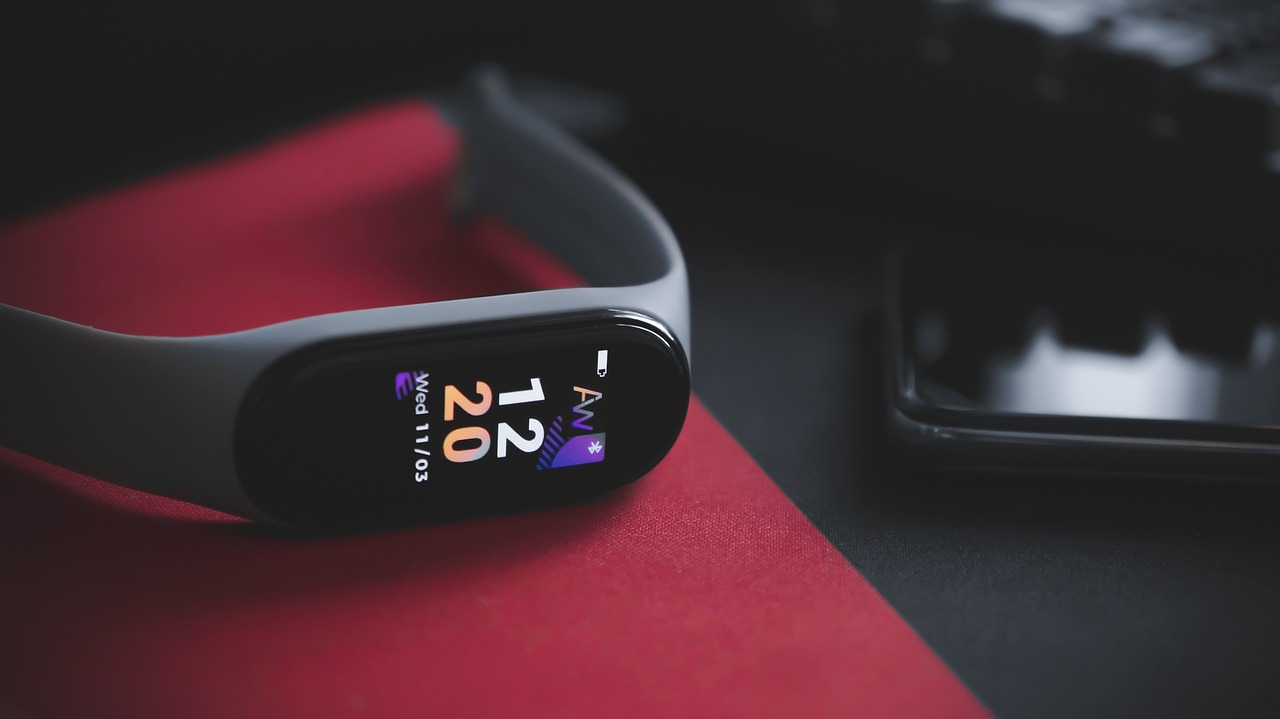
Wearable heart rate monitors have transformed fitness. The technology is advancing rapidly, making it easier for fitness enthusiasts to track their heart rate seamlessly throughout various activities. Modern devices offer advanced features that accurately measure heart rates even during high-intensity workouts. Many consumers have shifted from traditional methods of monitoring their heart to utilizing wearable tech due to its convenience and accuracy. These devices generally sync with smartphones via Bluetooth, allowing users to visualize heart rate data in real-time. Furthermore, the integration of heart rate tracking with fitness apps helps enhance functionality, offering personalized training plans. Some wearables also provide insights into calories burned and recovery times, which are essential metrics for serious athletes. Innovative designs making products more comfortable and stylish have increased their appeal among fitness enthusiasts. Additionally, features such as waterproofing allow wearables to be used in various conditions, including swimming. It’s critical that consumers choose devices that fit their specific needs, whether for casual exercise or intensive training. With many options available on the market, understanding the technology behind these devices is paramount for making informed decisions.
The data collected from wearable heart rate monitors plays a significant role in enhancing cardiovascular fitness. Users can receive real-time feedback during workouts, making it easier to optimize training sessions. Many monitors now come with advanced algorithms that provide not only heart rate data but also characterized trends over time. Users can identify fitness plateaus, gauge progress, and make necessary adjustments to their routines. This data-driven approach helps tailor fitness regimes to individual specifications, enhancing overall efficiency. Moreover, the competitive nature of fitness can be fostered by sharing data with friends via social media platforms, turning fitness into a community-driven endeavor. Features like leaderboards and challenges encourage continuous engagement while providing motivation among users. Another notable trend is the development of more affordable monitors without compromising accuracy and features. Consumers can now find high-tech options at accessible price points, expanding the market. Additionally, regulatory approvals mean they are more reliable for tracking significant health metrics. As healthcare providers acknowledge the importance of such devices, they increasingly recommend them as tools for monitoring heart health, especially for individuals concerned about cardiovascular health.
Integration with Health Apps
One notable trend in wearable heart rate technology is integration with health apps. Users can seamlessly upload data to popular fitness applications, providing an enhanced understanding of their heart health and fitness progress. Many wearables today come equipped with features that track sleep patterns, hydration levels, and daily activity logs. These apps offer feedback loops, allowing users to adjust their lifestyles suitably. This integration empowers users to classify their activities as aerobic or anaerobic, helping them better understand their training impacts. Some devices even analyze the quality of sleep, which directly correlates with recovery and overall fitness. Furthermore, users can share their progress with fitness communities online, adding a social aspect to personal fitness goals. The explosion of such applications aligns well with the global trend toward personalized fitness solutions. More and more manufacturers recognize these needs, resulting in versatile and interconnected products. The ability to sync data with smart home devices also offers innovative opportunities for tracking health holistically. These changes represent a future where technology provides comprehensive fitness solutions that cater specifically to individual health needs.
The advances in wearable heart rate monitors have also sparked newfound interests in gamifying fitness. By incorporating game mechanics into fitness, users are motivated to achieve daily or weekly goals. Many wearable devices now offer challenges and rewards for achieving specific heart rate zones during workouts. These motivators enhance user engagement and maintain motivation in achieving personal milestones. Users can also set reminders to encourage regular workouts, reinforcing positive health habits. Innovative designs allow for real-time feedback, notifying users when they reach optimal heart rates during exercise. As a result, this gamification element helps people view fitness as less of a chore and more of an enjoyable activity. Through friendly competition, users can engage with peers, motivating them to improve their performances. Statistics have shown that users participating in gamified fitness are more likely to stick to their routines long term. Moreover, many devices encourage consistent sharing of milestones, broadening community interaction. This aspect promotes accountability and creates camaraderie among users striving for fitness goals together. Ultimately, these innovations encompass more than just tracking heart rates; they enhance the entire fitness experience.
Future Innovations on the Horizon
The future of wearable heart rate technology looks promising with emerging compositions. Researchers and developers continuously explore innovative designs that combine various functionalities into one device. For example, the integration of ECG monitoring capabilities is becoming more common, allowing users to receive health alerts based on detected irregularities. In addition, the emergence of smart textiles embedded with sensors provides a new frontier in heart rate monitoring; this fabric can provide continuous data collection during movements. Such advancements may lead to less obtrusive and even more comfortable wearable solutions. Furthermore, artificial intelligence and machine learning algorithms are making their way into fitness tech, offering predictive analytics about users’ heart health based on historical data. These innovations could personalize recommendations for workouts, recovery times, and nutrition tailored to individual physiological responses. Hybrid wearables that combine smart watches and fitness trackers are also expected to become mainstream, catering to diverse user needs. As consumers become increasingly health-conscious, the demand for such innovations will continue to grow, reshaping the landscape of cardiovascular fitness monitoring.
The advent of Bluetooth and Wi-Fi technology has greatly influenced data synchronization among wearable heart rate monitors. Users can easily sync information with smartphones, providing an accessible overview of their performance metrics. Real-time notifications keep fitness enthusiasts informed of fluctuations in their heart rate during workouts. Many devices support broader health ecosystems, creating synergies with nutrition tracking, weight management, and overall lifestyle applications. This connectivity capability enhances user experience by presenting comprehensive overviews of health data in one place. Moreover, the evolution of user-friendly interfaces makes it simpler for individuals to interpret complex statistical information easily. While capturing data automatically is essential, presenting it in user-friendly formats elevates engagement and retention. Wearables that offer personalized recommendations and insights based on heart rate monitoring build a stronger connection between users and technology. As manufacturers of these devices strive for greater interactivity, users will find it increasingly easy to navigate their fitness journeys. The collective influence of technology simplifies monitoring and helps users become more responsible for their health practices.
Conclusion: The Transformative Impact of Wearables
Wearable heart rate monitors have undeniably transformed approaches to fitness and cardiovascular health. By facilitating continuous monitoring and integration with comprehensive health platforms, these devices have elevated personal fitness strategies. Adopting heart rate technology has enabled fitness enthusiasts to understand their bodies better, allowing them to maximize training efficiency and overall health outcomes. The increasing merger between wearables and smart technology promises an engaging future where exercise is approachable and enjoyable. Individuals no longer perceive fitness as a mere routine; instead, they embrace it as a daily lifestyle choice. As innovations continue to emerge, the fitness landscape will undoubtedly evolve. Monitoring heart rates through advanced technology will empower users to maintain their well-being in an ever-busy world. Experts believe that the future of personal health resides significantly in the realm of wearables. As their capabilities expand, these devices will likely become indispensable assets for individuals seeking enhanced performance in sports or day-to-day life. Achieving optimal cardiovascular fitness is within reach, as technological advancements put users in command of their health journeys.
This article highlights the technological evolution in wearable heart rate monitors, emphasizing the importance of such devices in fitness tracking. As these innovations continue reshaping our understanding of health, individuals are encouraged to remain informed and choose devices that best meet their unique fitness requirements.