
Integrating Balance Training Into Your Sports Routine
In sports, balance is critical to perform optimally. Integrating balance training improves your stability, allowing you to respond effectively to quick changes during a game. Generally, athletes benefit tremendously from enhanced coordination, as it can increase overall efficiency in their performance. When you focus on your balance, you’re not just working on a single aspect but improving multiple performance aspects concurrently. This improved balance aids in agility, precision, and control. Moreover, it helps prevent injuries, especially in high-impact sports where falls or sudden stops are common. Consider various balance training exercises that specifically target your sport’s needs, ensuring they closely mimic the required movements. Moreover, making these exercises a staple in your routine allows for better muscle memory in your athletic activity. Additionally, each sport requires unique balance skills, as movements can differ significantly. Hence, tailoring your routine to meet these specific needs will yield the best outcomes. From beginners to elite athletes, integrating balance is beneficial in enhancing athletic performance. As you develop these skills, you’ll notice substantial improvements in your training regimen and game performance, leading to greater success in competitions.
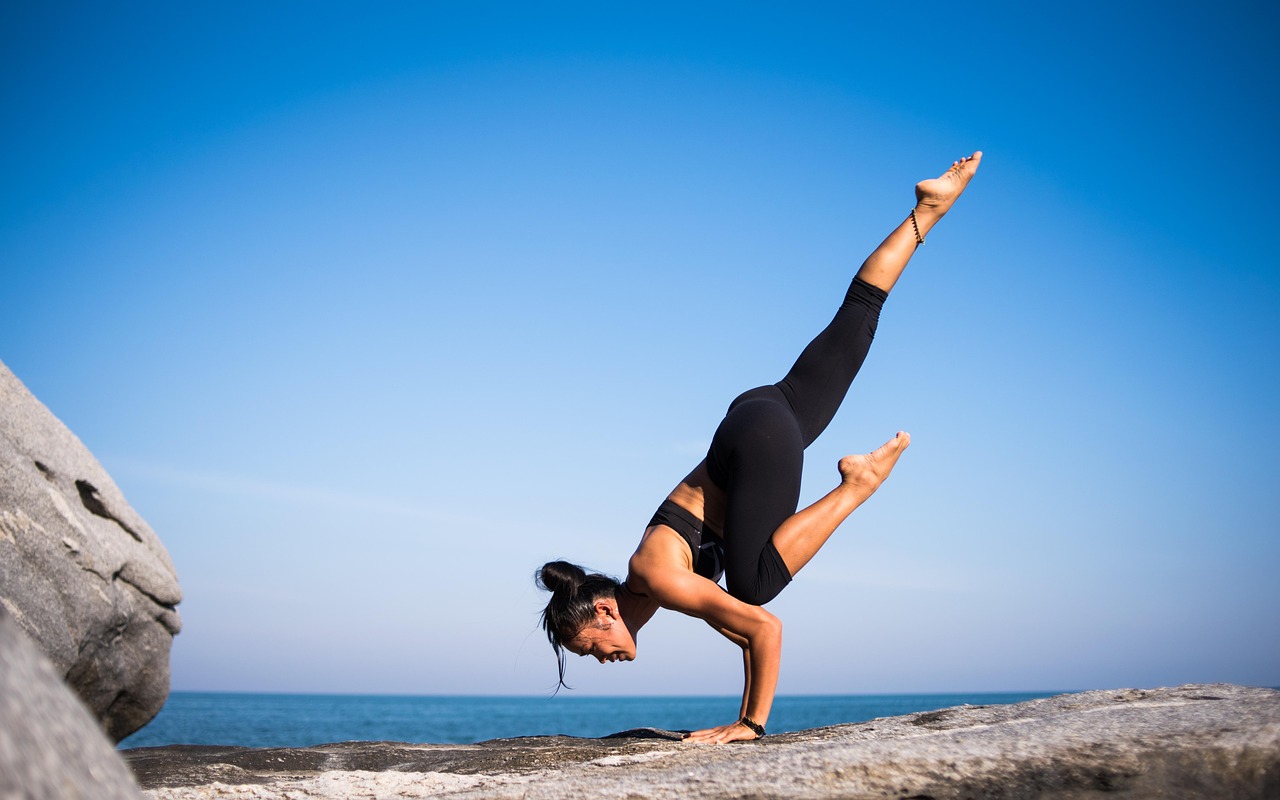
Balance training can be integrated into your weekly sports routine in various ways. First, you can incorporate balance exercises into your warm-up or cooldown sessions. This method allows you to work on your stability and coordination without adding extra session time. Consider exercises like balancing on one leg, stability ball workouts, or even engaging in yoga practices. Implementing these exercises increases your core strength while enhancing lower body control. Alternatively, you can add specific balance drills to your main training sessions. Incorporating these drills into your training routine can improve your performance during high-stakes moments in competition. Additionally, athletes can use gym equipment designed to challenge balance, such as BOSU balls, balance boards, or foam pads. Aim to focus on functional movements that translate directly into your sport. Furthermore, tracking your progress through guided assessments will help gauge the effectiveness of your balance training. As a result, you’ll be motivated to continue seeing improvements, making your training more rewarding and effective. Don’t forget the importance of consistency, as regular practice is essential for lasting improvements.
Benefits of Balance Training
Balance training offers a plethora of benefits for athletes across various sports disciplines. First and foremost, enhancing your balance fosters improved body awareness, allowing athletes to sense their position and movement. This increased proprioception contributes to smoother and more fluid movement patterns, reducing the chance of awkward encounters with opponents or the play area. Minimizing potential injuries is another superb benefit of balance training, as it strengthens stabilizing muscles that support vital joints. Equally important is the improvement of athletic performance, which can lead to significant competitive advantages. For example, turnovers in sports often correlate with how well an athlete maintains balance while on the move. Furthermore, athletes often experience enhanced strength, agility, and coordination, serving to elevate their level of play. Moreover, engaging in balance training promotes mental focus, requiring athletes to concentrate on their movements actively. This heightened mental acuity translates into sharper decision-making during games. Ultimately, integrating balance training can significantly elevate your athletic capabilities, leading to a more wholesome and sustained approach to training and competition.
Properly structuring balance training is key to maximizing its effectiveness for athletes. To begin, establish a baseline assessment to determine your current balance capabilities. This step will help identify weak areas that need improvement. From there, design a training program that cohesively integrates balance exercises throughout the week. To create a balanced and varied routine, incorporate exercises targeting various aspects of balance, such as static, dynamic, and reactive balance. Start with foundational exercises that improve stability before progressing to more challenging drills that mimic sports-specific movements. Incorporating both one-legged balance exercises and more complex combinations will keep your training engaging. It is also vital to include drills that mimic game scenarios, allowing athletes to practice their coordination and balance in a relevant context. This sport-specific focus ensures that gains in balance translate effectively into improved performance during competitions. As you progress, regularly evaluate your balance training results to adapt your routine accordingly. Moreover, consider consulting with a coach or trainer to refine techniques and receive additional feedback, ensuring long-term success in your overall athletic development.
Common Balance Training Exercises
There are numerous effective balance training exercises that athletes can adopt into their routines. One of the simplest methods is performing single leg stands, where you lift one leg and balance on the other while holding various positions. This exercise can be made more challenging by closing your eyes or adding movement with your arms. Another is utilizing a balance board, which challenges stability while engaging the whole body. Exercises like squats on the balance board enhance your lower body strength while improving balance simultaneously. Stability balls can also be beneficial; you can perform various exercises such as push-ups or sit-ups on the ball to activate core muscles crucial for balance. Integrating lateral movements, like sideways lunges or carioca, can develop your side-to-side stability required in sports. Additionally, practicing dynamic movements, such as hopping or skipping with a focus on balancing upon landing, helps train your body for real-game situations. Consider alternating between high-intensity interval training and balance-focused workouts for comprehensive benefits. This combination will provide stamina while developing overall body awareness during performance.
As you incorporate balance training into your sports routine, be mindful of the frequency and volume of the workouts. Aim for at least 2 to 3 sessions per week dedicated to balance exercises. This allows ample recovery time while still maintaining progress. Duration for each session should be about 20 to 30 minutes, focusing exclusively on balance tasks. As previously mentioned, mix in various exercises to keep workouts engaging and allow for improvements in different aspects of balance. Consistency is key; therefore, establishing a schedule will help you adhere to your training plans. Set realistic goals for your balance training, ensuring you challenge yourself without compromising form. Consider joining a group class or finding a workout buddy for support and motivation. Moreover, remember to warm up properly before diving into balance exercises, as this helps to prevent injuries and prepares your body for the challenges ahead. Finally, prioritize recovery strategies, such as stretching or foam rolling, after balance exercises to alleviate muscle soreness. This structured approach ensures you maximize the benefits of balance training while facilitating long-term athletic success.
Conclusion: The Path Forward
Integrating balance training into your sports routine paves the way for significant improvements in athletic performance and injury prevention. Strive to create a well-rounded, effective workout regimen that addresses balance alongside other crucial components such as strength and flexibility. As you progress, you will notice enhanced coordination, stability, and overall confidence in your athletic abilities. Embrace the diversity of training tools and exercises available to tailor each session towards your specific needs, while continually pushing yourself to improve effectively. Tracking progress through assessments or journaling will demonstrate tangible gains and motivate you to stay committed. Furthermore, engaging with fellow athletes or enlist a coach to provide feedback and encouragement can enhance accountability. Recognize that improvements in balance might take time, emphasizing the importance of patience and resilience in your training efforts. Ultimately, understanding the significant role of balance in sports will foster a greater appreciation for your craft. Start integrating balance training into your sports routine today, and unlock your true athletic potential by building a robust foundation for success in every competitive endeavor.
In conclusion, integrating balance training not only enhances your sports performance but also equips you with essential stability that minimizes injury risk. Participating consistently in balance activities will contribute positively to your body’s overall athleticism and effectiveness during competition. As you dedicate time to these exercises, you’ll witness remarkable changes that enhance your experience, skills, and enjoyment of the sport you love. Start enjoying the benefits of a balanced approach to training today, paving the way for your athletic growth and success.