
Senior Group Exercise Classes to Improve Balance and Flexibility
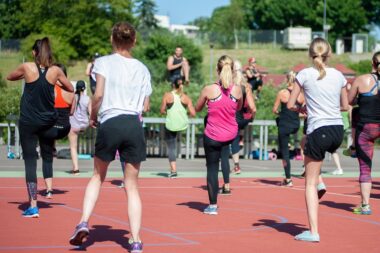
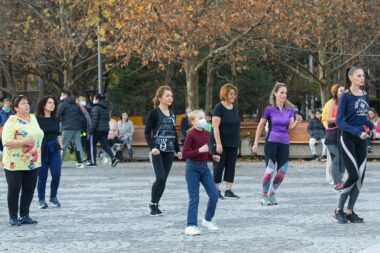
Engaging seniors in group exercise classes offers numerous benefits that can enhance their physical and mental well-being. Such classes often focus on improving balance and flexibility, which are critical for maintaining independence as we age. By participating regularly, seniors can reduce their risk of falls and injuries while also enjoying the support of their peers. An inviting environment, structured classes, and certified instructors can motivate older adults to become more active. These classes typically include a mix of stretching, strengthening, and balance activities designed to cater to varying fitness levels. Additionally, group dynamics foster social interaction, creating a sense of community among participants. Many seniors find solace in knowing they are not alone in their fitness journey. Thus, they can share experiences, challenges, and triumphs with one another. This sense of belonging can enhance mental health, which is equally important as physical fitness. Furthermore, group exercise can promote accountability, as members encourage one another to attend regularly and stay committed. All these factors contribute to a holistic approach to senior fitness, seamlessly blending physical activity with social engagement.
Another significant aspect of senior group exercise classes is customization. Programs are often tailored to meet the unique needs of older adults. Instructors assess participants’ individual fitness levels and coordinate classes accordingly to ensure safety and effectiveness. Classes may include a variety of activities, such as chair yoga, resistance band training, or low-impact aerobics, all designed for seniors. Such adaptations help prevent injuries and accommodate physical limitations while still providing a challenge. For instance, chair yoga focuses on stretching and breathing exercises that enhance flexibility without the risk of falling. Resistance band exercises can also help strengthen muscles without overexerting participants. Moreover, senior fitness classes often include warm-up and cooldown routines, emphasizing the importance of gradual transitions during exercise. Participants learn proper techniques while also gaining essential knowledge about how to listen to their bodies. This knowledge equips seniors with the skills needed to engage in physical activity safely and effectively outside the classroom environment. Adapting exercises delivers a sense of empowerment, equipping older adults with the tools they need to stay active at their own pace.
Social Benefits of Group Classes
In addition to physical improvements, group exercise classes for seniors serve as a vital social outlet. As individuals age, they may experience social isolation, which can adversely affect mental health. Group fitness classes provide an opportunity to meet new friends and strengthen existing relationships. Sharing a space with like-minded individuals fosters camaraderie, motivating participants to return each week. Compliments and encouragement from peers can boost confidence and self-esteem, leading to a more positive outlook on life. Seniors who attend these classes often report feeling more energized and uplifted. The shared experience of exercising together creates a supportive atmosphere that nurtures friendships. This environment not only combats loneliness but also encourages accountability; seniors are less likely to skip classes when they know friends are waiting for them. Furthermore, group classes may celebrate participants’ milestones, such as anniversaries or personal fitness achievements, reinforcing the sense of community among members. Through various social interactions, older adults can cultivate relationships that extend beyond the studio walls, enriching their social lives significantly. In this way, group exercise classes contribute to both physical fitness and emotional well-being.
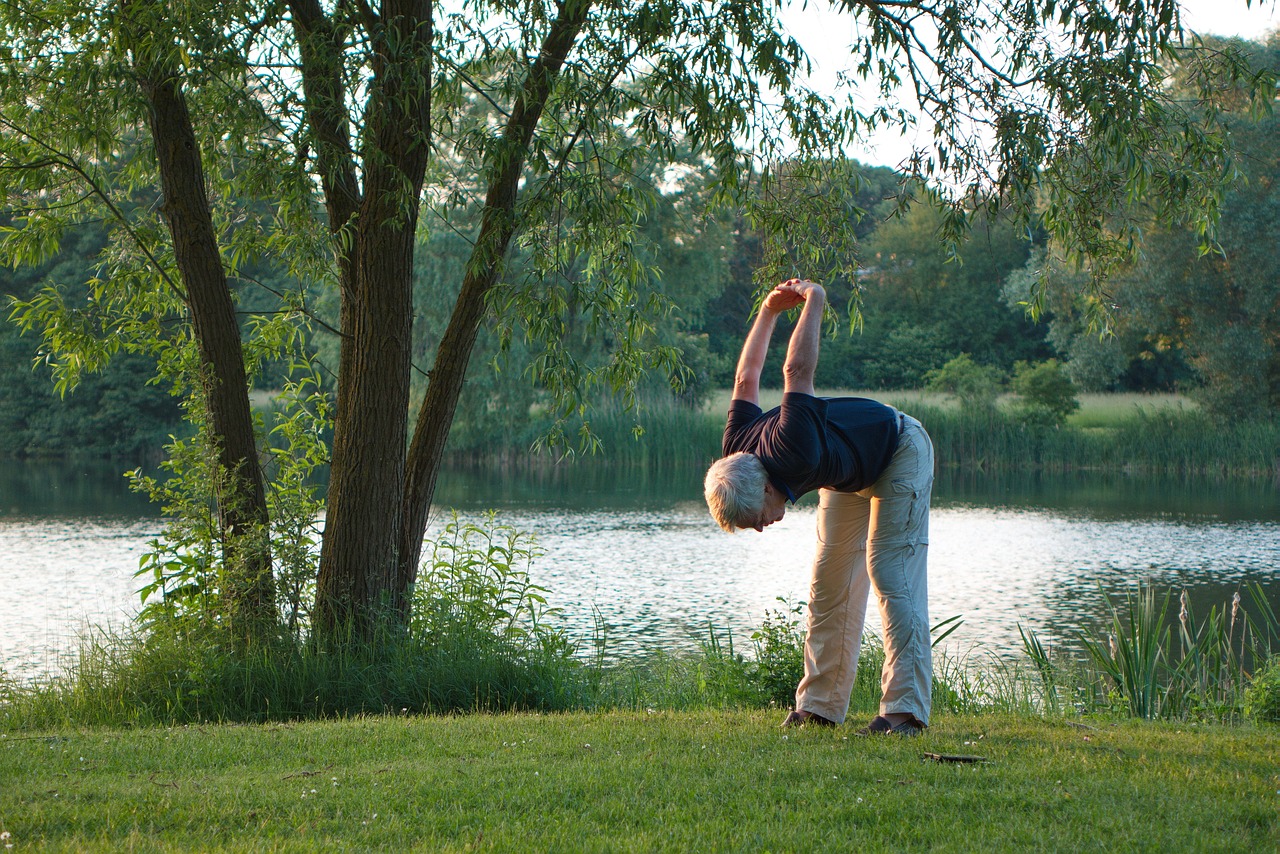
Moreover, improvements in balance and flexibility are crucial for enhancing overall quality of life. The benefits of better balance can be quite profound for seniors. By participating in specialized exercises, they may reduce the likelihood of falls, which can lead to significant injuries like fractures and head trauma. Instructors often implement functional training exercises in their classes, focusing on movements that mimic real-life situations. For example, seniors may practice standing on one leg or navigating obstacles, which prepares them for daily tasks. Flexibility training is equally essential; it helps maintain range of motion in the joints, crucial for performing routine activities without discomfort. Simple movements like reaching for objects or bending down to tie shoes become easier as flexibility improves. Furthermore, the association between physical activity and mental sharpness cannot be overlooked. Research indicates that consistent exercise can help reduce cognitive decline as individuals age. By integrating balance and flexibility exercises in classes designed for seniors, participants are not only improving their physical health but also enhancing their cognitive functions, thereby promoting a higher quality of life.
Instructor Considerations
Choosing the right instructor for senior group exercise classes is essential for ensuring a successful experience. Instructors should ideally possess certification in senior fitness and have experience working with older adults. A knowledgeable instructor understands the unique needs and limitations of seniors, which is fundamental for creating a safe and effective class environment. Communication skills are equally important; instructors need to convey exercises clearly and patiently. A good instructor will also foster a friendly and encouraging atmosphere to put participants at ease. Additionally, they should be able to modify exercises on-the-fly, addressing individual concerns that may arise during a session. Safety considerations must be a top priority, ensuring the workout area is free of hazards and that equipment is suitable for older individuals. Consistency in instruction can also lead to better outcomes; a familiar face can enhance comfort and trust among participants, encouraging them to engage fully. Notably, a well-trained instructor will incorporate variations that keep classes fresh and engaging, helping individuals stay motivated. In essence, the right instructor can be the difference between a daunting experience and an enjoyable journey towards improved fitness.
Along with instructor qualifications, class size is another factor that can impact the experience for senior participants. Smaller class sizes often yield more personalized attention, allowing instructors to closely monitor each participant’s form and technique. This individual focus enhances the safety of the exercises while facilitating better understanding and execution of movements. In addition, participants in smaller groups may feel more comfortable asking questions or expressing concerns. On the other hand, larger classes can provide a sense of community and shared experience, but they may limit the instructor’s ability to provide individualized feedback. Therefore, it is essential to strike a balance between group cohesion and attentive guidance. The ideal class may have around 10 to 15 participants, allowing for a supportive environment while ensuring each individual receives the attention they require to succeed. Ultimately, accessible settings where everyone feels welcome enable older adults to thrive in a fitness environment, encouraging them to continue their physical activity journey. As more seniors participate, creating an inclusive atmosphere will generate greater health benefits for this demographic.
Commitment to Lifelong Fitness
Encouraging lifelong fitness is a vital goal that senior exercise classes strive to achieve. Instilling good habits early increases the likelihood of maintaining an active lifestyle well into later years. When challenging exercises become enjoyable social activities, seniors are more likely to prioritize their fitness. Group classes can shape a positive view of physical activity, transforming it from a chore into a fulfilling part of routine life. Celebrating small successes along the way plays a key role in reinforcing this commitment; recognizing participants’ efforts helps create a motivating environment that keeps them engaged. Instructors play an integral role in emphasizing the importance of consistency while also reminding seniors to celebrate their individual goals. This approach can lead to lasting changes, as these participants begin to associate fitness with positive experiences instead of challenges. Furthermore, setting achievable goals together in group settings fosters accountability. Participants share their aspirations with one another and find encouragement to push toward those goals, ultimately contributing to a healthier lifestyle. Overall, the commitment to lifelong fitness nurtured within group exercise classes can have profound effects on participants’ lives.
Finally, to maximize the benefits of senior group exercise classes, ongoing support is crucial. This support could include creating resources for participants to take home, such as instructional videos or handouts outlining exercises. Additionally, discussions on nutrition and well-being can complement physical fitness, encouraging holistic health approaches. Understanding that fitness journey extends beyond the classroom reinforces its significance. Seniors may also benefit from periodic assessments to monitor their progress and adapt their goals accordingly. Regular feedback can motivate participants to stay engaged in their fitness while continuously advancing their abilities. Many communities offer additional programs that can supplement group classes, like walking clubs or gardening activities. All these components contribute to a well-rounded fitness experience while emphasizing the value of staying active every day. Encouraging participants to maintain communication outside the classes can further strengthen their support network. This network is fundamental for promoting accountability, fostering friendship, and promoting long-term commitment to fitness. Ultimately, seniors who engage in comprehensive fitness programs may lead healthier, happier lives while enjoying the journey together.