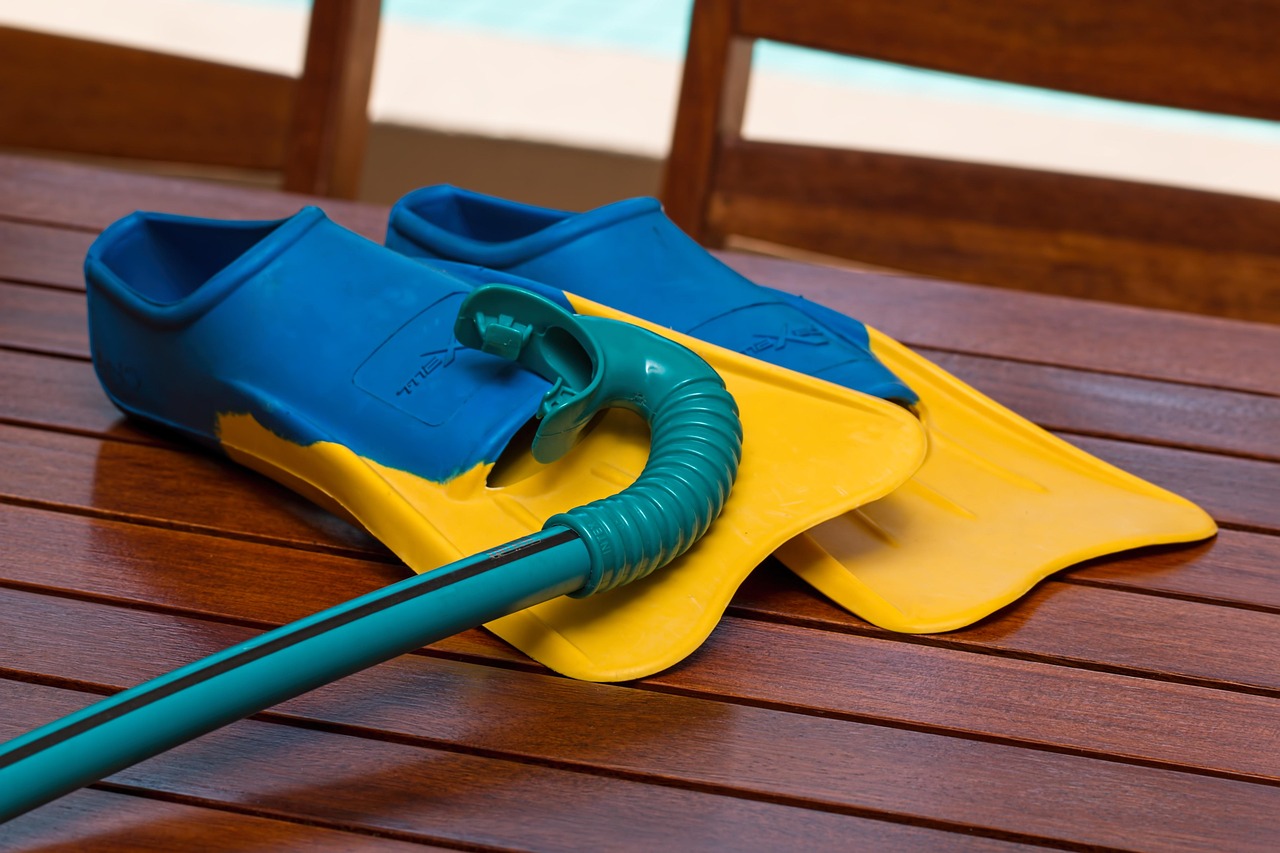

Swimming as a Balance and Coordination Exercise for Seniors
Swimming provides significant benefits for seniors, especially in terms of balance and coordination development. Engaging in aquatic activities can enhance body awareness, which is crucial for maintaining stability. Water supports the body and allows for low-impact movements that can help improve strength without the risk of injury associated with higher-impact exercises. The buoyancy of water reduces the stress on older joints, making swimming an excellent choice for those experiencing mobility limitations. Furthermore, swimming routines can include various strokes that require coordination between limbs, promoting better neuromuscular control. This improvement in coordination can translate into better balance on land. The rhythmic nature of swimming assists in developing a sense of timing and movement which can be beneficial for daily activities. Another advantage is that swimming can be easily adapted to suit individual fitness levels, ensuring that everyone can participate based on their capability. Group swimming classes cater specifically to seniors, encouraging social interaction and enhancing motivation. This combination of coordination and social benefits makes swimming an optimal choice for seniors aiming to improve their balance and overall physical well-being.
Balance is a critical aspect of daily life for seniors, as falls can lead to significant health issues. Regular swimming can help mitigate this risk by boosting their confidence in movement and stability. By consistently practicing strokes such as freestyle or backstroke, seniors can enhance their core stability, which is essential for maintaining posture and balance. Coordinated arm and leg movements during these strokes not only build muscle strength but also promote motility. Additionally, the resistance that water provides during swimming adds an element of strength training without necessitating heavy weights. This natural resistance is beneficial in ensuring robust muscle development, particularly in the core and lower body areas that are critical for balance. Swimming also encourages limb coordination by encouraging seniors to synchronize their movements effectively. This synchronization fosters an enhanced proprioceptive sense, meaning that they become more conscious of their body’s position and movement in space. Many aquatic facilities offer classes specifically designed to improve balance through swimming, emphasizing activities that focus on coordination and strength. Incorporating such classes into weekly routines can significantly impact seniors, bringing them joy and improved mobility in their everyday lives.
Enhancing Coordination through Swimming
Swimming can significantly enhance coordination skills among seniors, offering a multifaceted activity that engages multiple muscle groups simultaneously. When seniors swim, they perform complex movements that require their arms and legs to work together harmoniously. This complexity urges the brain to engage in higher-order motor planning. As a result, the body learns to execute commands in a more synchronized manner, crafting better coordination. Various strokes such as breaststroke, butterfly, and even water aerobics can assist in developing these skills. Each stroke emphasizes different body mechanics, reinforcing the importance of movement as a unit rather than in isolated segments. Seniors can also engage in exercises that lay emphasis on balancing phases within swimming, like kicking while holding onto the edge of the pool. Through consistency and practice, seniors can witness significant enhancements in hand-eye coordination while participating in recreational games in the water. Moreover, practicing coordination exercises like tossing a ball while swimming can further amplify their skills in a fun way. Swimming not only contributes to physical well-being but also fosters the ability to engage in various social activities with improved confidence.
As we age, the fluidity of movement often diminishes, which can lead to frustration and reduced independence. Regular swimming helps counteract this decline by allowing seniors to engage in movement freely and without fear of injury. The water’s natural resistance enhances muscle tone while promoting flexibility. Through swimming, seniors can perform a variety of movements that promote elasticity and freedom within their joints and muscles. Enhanced flexibility contributes further to improved overall balance, creating a positive loop of physical enhancement. Seniors may notice that regular aquatic exercise not only boosts their coordination but also increases their overall stamina. Participating in group swimming sessions can also bring about a social dimension to exercise. Social connections formed can enhance motivation to exercise regularly. Furthermore, local pools often provide tailored programs focusing on the needs of older adults. These programs not only emphasize techniques to improve swimming but also integrate balance and coordination exercises. These features make swimming a holistic exercise beneficial to both mind and body. Ultimately, engaging in swimming not only nurtures strength and flexibility but also embodies joy and connection for seniors, enriching their overall life experience.
The Role of Water in Coordination Training
The water environment presents a unique opportunity to train coordination skills in a risk-free setting for seniors. Unlike dry land, swimming reduces impact forces on joints and provides a supportive medium, encouraging movement without stress. This supportive aspect is vital for older adults who may struggle with balance on land. In water, seniors can focus more on movement patterns and coordination rather than on the fear of falling or injuring themselves. This aspect can be especially beneficial when it comes to practicing complex coordination moves that might be more challenging outside the pool. For instance, they can practice flutter kicks or sculling without the fear of falling or having a high risk of injury. This constant buoyancy enables seniors to build these skills gradually and confidently. Specifically designed water exercises can assist in enhancing specific coordination needs, allowing seniors to work on muscle memory better. As they engage in more coordinated movements, they may find improved confidence both in and out of the water. The low-impact nature of swimming makes it a sustainable option, ensuring seniors can maintain their fitness journey as they age.
Engaging regularly in swimming can serve as a gateway to improved overall health for seniors. One often-overlooked benefit of swimming is its dual impact on both mental and physical health. A routine that includes swimming enhances one’s mood due to the release of endorphins, contributing to a greater sense of well-being. This psychological uplift further influences physical aspects such as energy levels, motivation, and the ability to focus on improving balance and coordination. When seniors feel good mentally, they are more likely to engage in physical activities that positively impact their mobility. Also, the soothing properties of water can provide stress relief and enhance relaxation, two essential components for seniors looking for balance in life. This holistic view focuses on mind, body, and spirit, encouraging aging individuals to embrace physical activity as part of a well-rounded lifestyle. Participating in community swimming activities can foster friendships that promote accountability, further aiding workouts that focus on balance and coordination. Ultimately, embracing swimming not only caters to maintaining physical capabilities but also contributes significantly to mental resilience and emotional health in seniors.
Conclusion: The Lifelong Benefits of Swimming
In conclusion, swimming emerges as a multifaceted exercise combining balance, coordination, and social interaction. For seniors, the ability to enjoy physical activity in a safe environment is paramount. Swimming provides advantages that extend beyond physical fitness, impacting mental well-being and motivation. To engineer further balance and coordination improvements, it’s essential to maintain a regular swimming routine. Community pools often offer specific classes catering to seniors, enabling them to develop camaraderie while working towards personal fitness goals. Moreover, swimming allows seniors to explore varying skill levels, making it an adaptable option. With consistent attendance, seniors can observe visible improvements in their movement quality, fundamentally increasing their confidence. Additionally, as seniors develop their coordination in water, they will likely translate those enhancements into daily living activities. Thus, swimming can become a cornerstone activity promoting overall health and well-being in the later stages of life. Incorporating swimming into a weekly routine can generate lifelong fitness benefits, making it an invaluable endeavor for balanced and coordinated mobility. Indeed, swimming stands as a timeless exercise option for seniors that nurtures both physical strength and mental resilience.
Moreover, swimming functions within a community framework by encouraging collective engagement among seniors. Group swimming sessions foster camaraderie, motivation, and enjoyment, enhancing the overall exercise experience. Within these social settings, seniors often exchange tips, build friendships, and support each other in improving their coordination skills. The shared goal of enhancing mobility can encourage active participation and accountability to one another. This social aspect often serves as a compelling factor for continual engagement in swimming, leading to sustained health benefits. Additionally, as seniors form connections through these classes, they remain more motivated to attend regularly, reaping continuous balance and coordination gains. Many facilities also organize social events or competitions designed specifically for older adults, further enhancing participation. Ultimately, swimming empowers seniors to take charge of their health and well-being, combining physical exercise and community building. The holistic benefits manifest not only through improved physical capabilities but also through increased feelings of connectedness, reducing the risk of loneliness often encountered in older adults. Therefore, swimming is not just an exercise; rather, it is a pathway to a vibrant and fulfilling lifestyle for seniors.