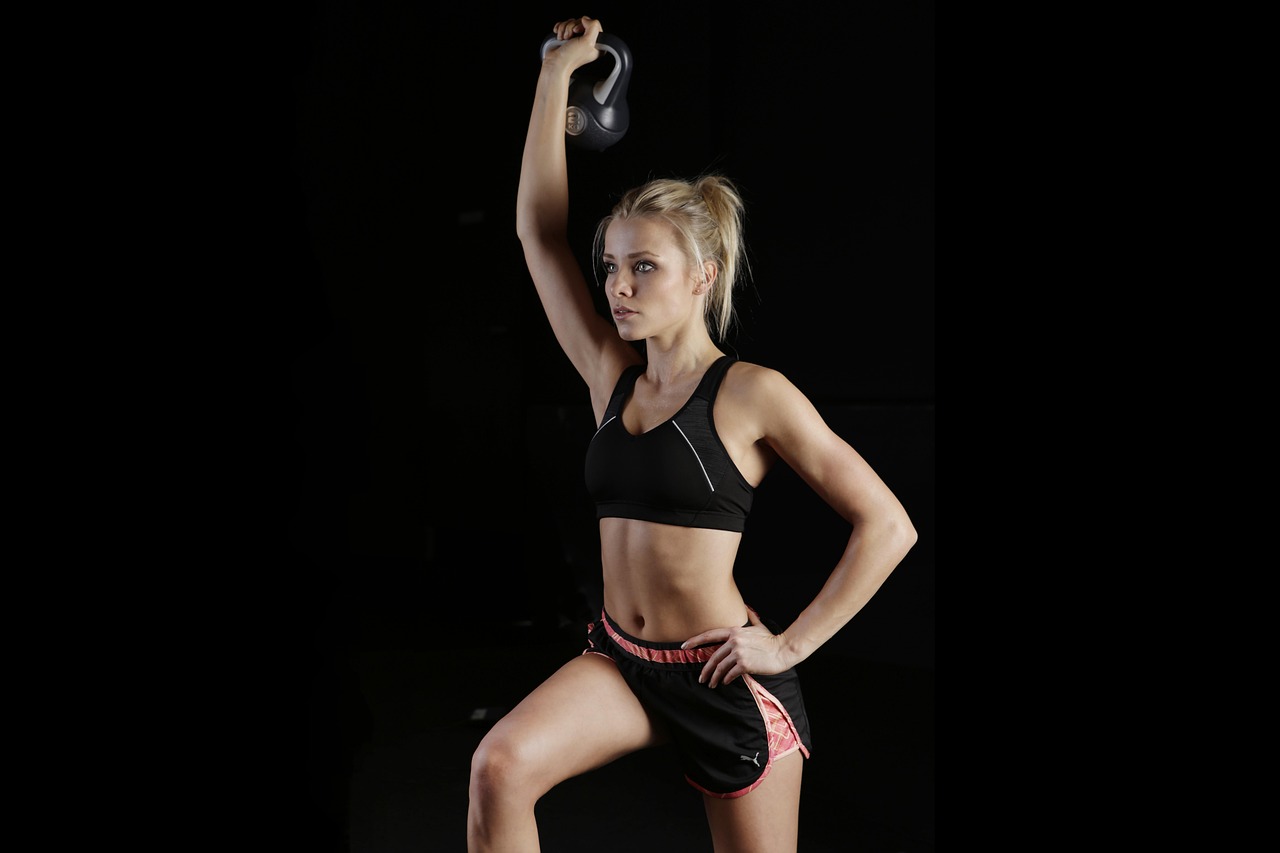

The Benefits of Unilateral Training for Muscle Balance
Unilateral training, which emphasizes the use of one limb at a time, has garnered significant attention in sports science, particularly for its effectiveness in promoting muscle balance and overall strength development. This training method helps in identifying and correcting muscular imbalances, allowing athletes to develop symmetrical strength and optimize performance. By focusing on each limb individually, unilateral exercises can reveal weaknesses that may be masked by traditional bilateral movements. This approach can lead to improved functional stability, which is essential for various sports and physical activities. Additionally, unilateral training contributes to better coordination and proprioception, enhancing athletic performance. For example, exercises like single-leg deadlifts and unilateral presses not only challenge the muscles but also engage stabilizing muscles, promoting a balanced physique. Moreover, it can be particularly beneficial during rehabilitation, as it reduces the load on injuries while allowing strength maintenance or improvement. Incorporating unilateral training into a comprehensive strength and conditioning program can yield a myriad of long-term benefits, making it an essential component of any athlete’s routine.
Improved Strength and Performance
Unilateral training enhances strength in both the targeted limb and core muscles, creating a more balanced body regardless of the athlete’s experience level. By engaging various muscle groups, athletes can experience newfound strength in their limbs and overall performance improvements in their chosen sport. Since unilateral exercises stimulate muscle activation differently, they often lead to greater neuromuscular adaptations than traditional bilateral exercises. This means that athletes can experience enhanced coordination, balance, and agility, among other performance factors. Unilateral exercises, such as the single-arm row or single-leg squat, can increase strength without the excessive fatigue associated with bilateral options. Additionally, they can facilitate increased muscle hypertrophy through targeted loading, beneficial for athletes aiming to gain muscle mass. Unilateral training also allows for improved muscle recruitment patterns, foundational for various high-level athletic movements, such as sprinting or jumping. These exercises can add variety to training regimens, reducing monotony while enhancing motivation and engagement. Thus, the integration of unilateral training can foster substantial improvements in athletic performance.
Furthermore, one of the notable benefits of unilateral training is its ability to effectively rehabilitate and strengthen an injured limb. Athletes recovering from injuries can use unilateral exercises to maintain or develop strength without placing undue stress on the affected area. This low-impact approach facilitates gradual recovery, aiding in the return to full performance levels. For instance, exercises such as one-legged calf raises or single-arm dumbbell presses can allow individuals to strengthen their limbs while minimizing the risk of exacerbating an existing injury. In addition, this method helps improve joint stability and functionality, which are crucial for preventing future injuries. Implementing unilateral training can also address muscle compensations that may arise during the recovery phase, ensuring balanced strength and reducing the risk of reinjury. Moreover, it serves as a vital strategy for restoring symmetry in strength between limbs, often seen in individuals who have suffered from persistent injuries. Therefore, unilateral training is a cornerstone of injury rehabilitation and prevention, allowing athletes to enhance their recovery while preparing for future challenges.
Enhanced Core Stability
Aside from increasing strength, unilateral training can significantly improve core stability and functionality. These core benefits can enhance overall athletic performance by providing a solid foundation for movement and power output. When performing unilateral exercises, the core actively engages to stabilize the body, reacting to the shifts in load and balance that occur during these movements. As a result, exercises such as single-arm kettlebell swings or one-legged balances can lead to notable improvements in core strength, which translates to enhanced performance in linear and lateral movements alike. Improved core stability also supports better posture, reducing the risk of injury and enhancing athletic efficiency. Engaging stabilizing muscles through unilateral exercises reinforces the connection between the limbs and the torso, enabling more fluidity in athletic execution. Furthermore, core stability is essential for dynamic sports movements that require rapid changes in direction or velocity, consequently facilitating better agility. Incorporating unilateral training into a strength and conditioning program can foster lasting advantages in core stability and overall athletic prowess, ensuring athletes can perform at their highest potential.
Another significant advantage of unilateral training is its ability to enable athletes to develop better muscular coordination and proprioception. Improved proprioceptive awareness is essential for effective movement patterns, making unilateral exercises a valuable addition to any training regimen. Athletes could execute movements more fluidly and efficiently with enhanced coordination, leading to improved overall performance. By focusing solely on one limb at a time, individuals gain greater control over their movements, reducing the likelihood of errors during complex athletic activities. Applications such as single-arm or single-leg exercises can help individuals become more aware of their body positions and how their limbs interact with the environment. Consequently, this increased awareness translates to better technique during athletic endeavors, fostering a more streamlined approach to training and competition. Additionally, athletes may find that greater proprioception enhances their confidence during performance, overcoming barriers that arise from previous injuries or lack of experience. By incorporating unilateral training, athletes can improve coordination and trust in their movements, leading to overall enhancements in skill execution.
Injury Prevention
Injury prevention is a critical consideration for athletes at any level, and unilateral training plays a pivotal role in reducing the risk of injury. By addressing muscular imbalances and strengthening weaker limbs, athletes can enhance their overall stability and resilience during physical activities. Moreover, unilateral exercises enable athletes to focus on proper biomechanics and movement patterns, minimizing the chances of injuries related to poor technique. For instance, developing strength in lateral movements through single-leg exercises can enhance one’s ability to resist forces that may lead to knee or ankle injuries. Additionally, improving muscle balance between limbs can alleviate stress on joints and connective tissues, reducing the risk of overuse injuries. It has been shown that athletes who incorporate unilateral training into their programs experience fewer injuries and improved recovery. Furthermore, these exercises can effectively prepare the body for unexpected movements or forces encountered during sports, providing an added layer of protection. Therefore, the consistent practice of unilateral training fosters a proactive approach to injury prevention, essential for both training and competition.
Lastly, to successfully integrate unilateral training into a strength and conditioning program, simplicity and progression are key. Initially, coaches and athletes should focus on mastering form and technique before increasing the weights or resistance. Exercises can begin with bodyweight movements, where athletes learn the mechanics of each lift, gradually transitioning to equipment like dumbbells or kettlebells as their strength and balanced coordination improve. It proves beneficial to adopt a structured approach to programming, allowing for regular assessment of progress and necessary adjustments. Alternating between unilateral and bilateral exercises can provide a comprehensive workout, combining the benefits of both methodologies. For instance, incorporating unilateral training into warm-ups can enhance activation and focus. Additionally, consistency in training is crucial; scheduling regular sessions allows athletes to reap the long-term benefits of unilateral strength. A balanced approach ensures that unilateral training complements existing programs, leading to improved overall strength, coordination, and performance outcomes. Thus, successful integration of unilateral training can revolutionize an athlete’s training regimen.