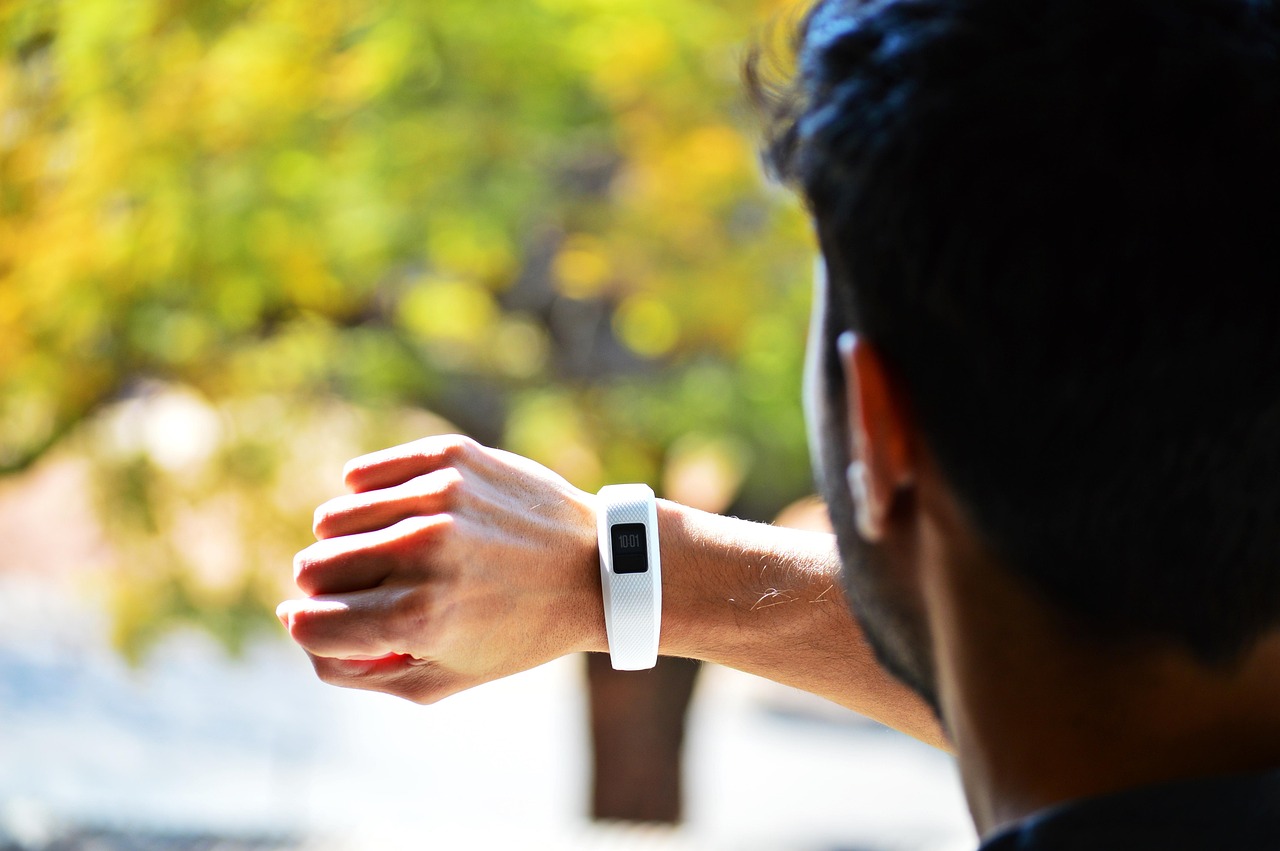

The Rise of Wearable Cameras in Competitive Sports Training
The integration of wearable cameras into competitive sports training is revolutionizing how athletes prepare for events. These compact devices provide a unique perspective on performance, allowing athletes and coaches to analyze techniques and strategies in real time. With technology rapidly evolving, wearable cameras have become essential tools in various sports, offering insights previously impossible. One major advantage is the comprehensive view of an athlete’s movements, capturing angles that might be missed during live instruction. Coaches can review footage to identify areas for improvement, leading to more targeted training programs. Furthermore, the ability to share recordings digitally with trainers and teammates enhances communication and learning. As athletes become more tech-savvy, the demand for such devices is increasing exponentially. Many wearable cameras now come equipped with advanced features like stabilization, GPS tracking, and even heart rate monitoring. This data can be critical in assessing physical exertion during training sessions. Such powerful insights not only support skill development but also help in injury prevention by ensuring athletes maintain optimal form throughout their training.
Beyond performance analysis, wearable cameras have greatly impacted athlete safety and health monitoring. They offer a means to record physical exertion and biomechanical efficiency, acting as an essential tool in gathering data that can assess an athlete’s load during training. This information can be leveraged to prevent overexertion and reduce injury risks. In addition, key data points collected during training can be analyzed by sports scientists to modify training schedules tailored to each athlete’s individual needs. Coaches can also utilize these insights to create optimized recovery plans, pivotal for peak performance in high-stakes competitions. Retailers are taking note of this trend too, producing a range of wearable camera models that cater to specific sports environments. Such innovations ensure that athletes have access to quality technology that meets their rigorous training demands. A notable feature is the waterproof capability which allows athletes in sports such as swimming or surfing to use these devices without any risk. As the market expands, athletes can look forward to even more advanced functionalities that enhance their training and competitive abilities.
Enhancing Team Dynamics with Wearable Technology
Wearable cameras are facilitating enhanced team dynamics in competitive sports. By providing a shared visual platform, teams can engage in collaborative reviews of performance footage. This communal approach allows all team members to gain insights into strategies and individual contributions during training sessions. It fosters a culture of continuous improvement, where every athlete learns from both successes and mistakes. Coaches can organize group viewings of recorded footage, enhancing communication and boosting morale through constructive feedback. This technique tends to increase accountability among team members, as they see how their efforts impact overall performance. Furthermore, positive reinforcement becomes more evident as teammates witness each other’s progress. As athletes monitor collective statistics and videos, an increased sense of empathy for one another’s struggles often develops, promoting stronger bonds. Developing a visual library of training sessions cultivates familiarity among team members, making it easier to implement strategies in actual competitions. Such advancements reflect a shifting dynamic in competitive sports where technology fosters collaboration, demanding not just individual excellence but cohesive performances.
Moreover, the global positioning systems (GPS) embedded in many wearable cameras are a game-changer in training analysis. By tracking an athlete’s location and movement patterns in real time, coaches can better understand spatial dynamics during practice sessions. This enables evaluation of positional awareness and strategic decision-making on the field. Gaining real-time data on speed and agility not only assists in refining techniques but also prepares athletes for varying competitive environments, whether in team sports or individual challenges. The detailed feedback provided by these cameras encourages athletes to push their limits and refine their skills methodically. As the competitive landscape continues to evolve, the ability to harness this live feedback will become invaluable to training efforts. Moreover, these insights allow for comparative analysis across sports disciplines, where similar movement patterns apply. Having access to such comprehensive performance-related data means that teams and athletes can implement solutions that enhance their tactical approaches during competitions. The potential for tactical innovation is at an all-time high, ensuring that technology and sports performance are increasingly intertwined.
Future Trends in Wearable Cameras for Sports
Looking ahead, the future of wearable cameras in competitive sports is promising. Emerging technologies, such as augmented reality (AR) and virtual reality (VR), are likely to shape how these devices function and are utilized. This newfound capability could revolutionize training sessions by providing athletes with immersive environments to visualize performance outcomes. For instance, wearing AR goggles alongside a camera could allow athletes to see instant feedback overlaid in real time, enhancing decision-making processes. As technology ramps up, the affordability of these devices will also improve, making them more accessible to amateur athletes and emerging sports programs. Enhanced connectivity options may allow footage to be streamed directly to coaches and analysts, facilitating immediate adjustments to training strategies. Additionally, the data gathered from these cameras will likely integrate with other fitness technologies, creating comprehensive profiles for athletes. Such profiles could track improvement not just in physical prowess but also in psychological resilience. Overall, the scope of wearable cameras is expanding, promising a transformative impact on athlete training and performance assessment in the years to come.
The integration of artificial intelligence (AI) into wearable cameras signals a massive leap forward in sports science. AI can analyze hours of footage far more quickly and accurately than a human observer, identifying patterns that might otherwise go unnoticed. As AI continues to evolve, the potential for personalized training insights from wearable cameras increases significantly. This could lead to more precise recommendations tailored to an athlete’s unique physiological makeup and performance goals. By automating data analysis, coaches can focus on applying these insights in real time, thereby enhancing training effectiveness. Furthermore, innovations such as facial recognition may also provide psychological insights, allowing athletes to analyze their mental states during competition. Integrating this social aspect could influence how athletes train mentally, resulting in more holistic approaches to performance enhancement. As the race for competitive edge intensifies, wearables equipped with AI will play a pivotal role in identifying talent and improving existing athletes. The advancing technological landscape is creating a symbiotic relationship between athletes and fitness technology, allowing for unprecedented growth in the sporting world. The transformative effect of AI on training routines could redefine competitive standards.
Conclusion on the Impact of Wearable Cameras
In conclusion, the rise of wearable cameras in competitive sports training is an exciting development, combining technology and physical performance. The benefits extend far beyond mere visual capture, creating a comprehensive solution for enhancing athletic training and performance evaluation. As athletes embrace these tools, they can analyze their performance from angles never before possible, leading to more nuanced training strategies. Enhanced safety and collaborative team dynamics promote a healthy athletic culture that continues to foster improvement. The rapid advancements in technology promise even greater possibilities, such as AI integration and immersive training environments. As sports evolve, wearable cameras will play a vital role in shaping an athlete’s journey. The insight these devices provide is ushering in a new era of sports where data-driven decisions enhance not just the performance of elite athletes but also facilitate the growth of aspiring individuals. Embracing innovation in this space will redefine what it means to train and compete. The journey ahead is promising, filled with opportunities to harness technology for improved performance and athlete well-being.