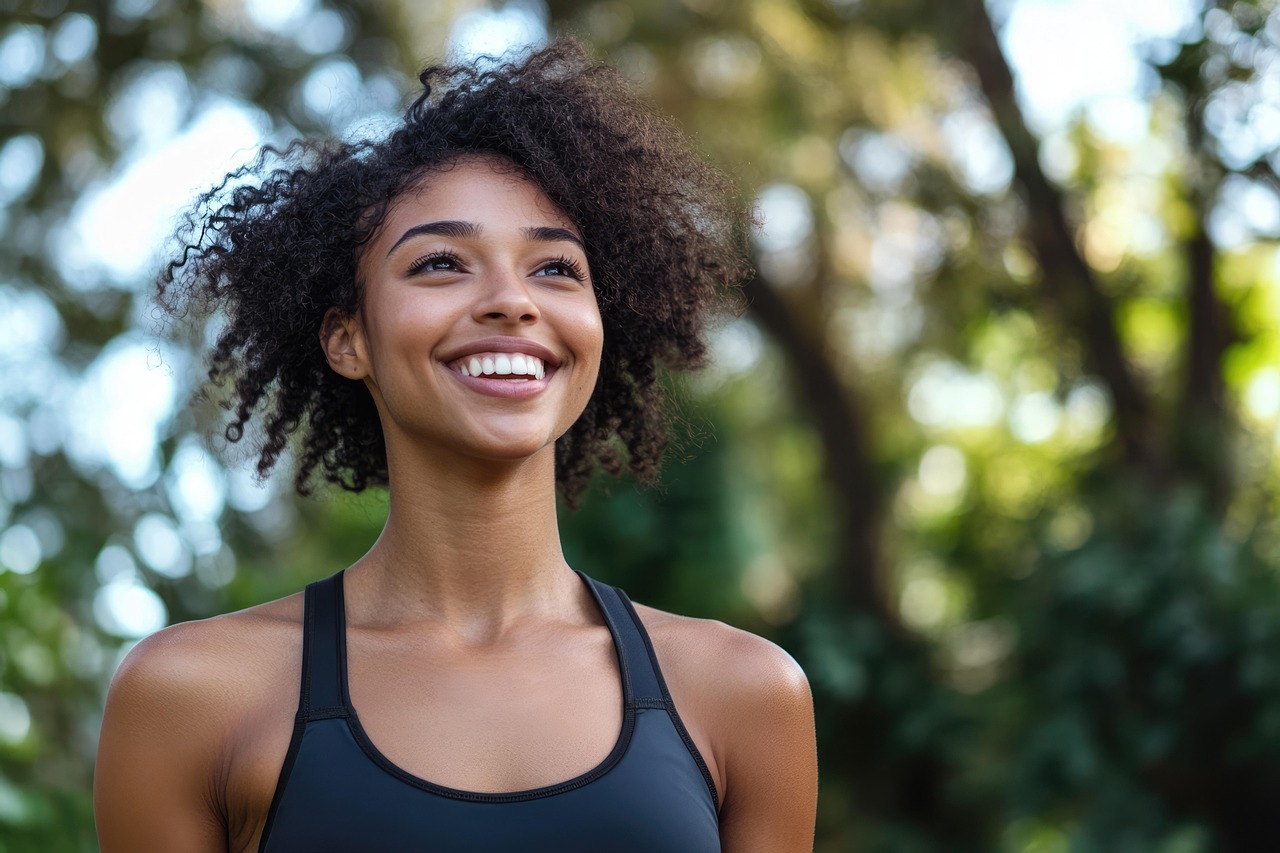

The Role of Confidence in Female Athletes’ Performance
Confidence plays an essential role in the performance of female athletes, influencing their ability to compete, develop skills, and achieve goals. High levels of confidence can lead to improved self-esteem, resilience, and motivation, effectively allowing athletes to face challenges. Conversely, low confidence can hinder performance, resulting in anxiety and self-doubt that affects an athlete’s ability to execute skills effectively. A study indicated that confidence significantly correlates with performance outcomes, enabling athletes to trust their training and abilities. To build confidence, it is crucial for athletes to engage in positive self-talk, visualization, and goal-setting techniques. These strategies can enhance their mental state and enable them to focus on their strengths. Furthermore, supportive environments, including coaching staff and peers, foster confidence by providing constructive feedback and encouragement. Coaches should emphasize individual progress, reinforcing a sense of achievement that cultivates self-belief. Additionally, understanding the psychological aspects of competition can help female athletes develop a positive mindset, influencing their overall capacity to perform under pressure.
Psychological Barriers and Overcoming Doubt
Female athletes often face unique psychological barriers that can impact their confidence and performance. Societal expectations and stereotypes surrounding women in sports may contribute to feelings of inadequacy or self-doubt. Overcoming these doubts is vital for enhancing performance and maximizing potential. To address these challenges, athletes must actively acknowledge and confront their insecurities. Strategies such as cognitive restructuring can help transform negative thought patterns into empowering ones. Building a strong mental framework enables athletes to switch focus from what they fear might go wrong to what they can control. Additionally, recognizing triggers that lead to decreased confidence, like comparing oneself to others or fear of judgment, can facilitate improvement. Support groups or mentorship from experienced athletes can foster a sense of camaraderie. Sharing experiences allows athletes to learn from one another, building resilience in the face of adversity. Moreover, physical training should complement mental preparation, as honing skills instills a sense of preparedness that fuels confidence. The combination of mental and physical readiness creates a holistic approach essential for peak performance.
The Impact of Training on Confidence
Training plays a critical role in building confidence among female athletes. Consistent practice not only enhances skills but also provides reassurance that leads to improved performance during competitions. Establishing a structured training regimen allows athletes to refine their techniques, setting a foundation of trust in their abilities. Furthermore, incorporating simulations of competitive scenarios during training can increase familiarity, reducing anxiety. When athletes experience success in simulated environments, it translates into heightened confidence for actual competitions. Additionally, tracking progress through measurable goals strengthens self-efficacy, as athletes can visually observe their improvements over time. Understanding and celebrating these milestones reinforces a positive feedback loop. Coaches can facilitate this by promoting a growth mindset, encouraging athletes to embrace challenges as opportunities for development. Engaging in performance analysis also allows athletes to identify areas for improvement, fostering self-awareness and strategic focus. These elements contribute intricately to nurturing a confident mindset. Ultimately, comprehensive training approaches cultivate a seamless integration of physical prowess and mental fortitude, resulting in enhanced performance under competition pressure.
One of the significant elements affecting confidence is competition experience. Female athletes who regularly expose themselves to competitive settings are likely to develop greater resilience and self-trust. Exposure to various competitive scenarios helps athletes learn how to manage pressure, anxiety, and unexpected challenges. Moreover, success in competitions fosters a sense of accomplishment, reinforcing the belief that they can achieve their goals. However, setbacks can also serve as valuable learning experiences, highlighting the importance of perseverance. Athletes should be encouraged to view these setbacks as opportunities for growth rather than failures. Developing coping strategies for dealing with disappointing outcomes helps cultivate emotional intelligence and resilience. This emotional awareness allows athletes to process their experiences positively. Coaches and parents should reinforce discussions around handling both successes and failures to instill a balanced perspective. Networking with other athletes and sharing experiences widens understanding and reduces feelings of isolation. Collaborative team dynamics can also enhance confidence since support from teammates contributes significantly to individual self-belief, ultimately improving overall performance.
Mentorship plays a vital role in boosting female athletes’ confidence. Having access to role models and mentors provides guidance and support essential for personal and professional growth. Female athletes benefit from learning directly from successful individuals who have navigated similar challenges. Mentors can offer advice on handling pressure, defining clear goals, and developing positive self-perceptions. Furthermore, engaging in mentorship allows athletes to internalize their experiences, which reinforces resilience and self-trust. Collaborative efforts between mentors and mentees can create synergies that enhance motivation and commitment as athletes strive to emulate their mentors’ paths. Workshops focusing on mental health and confidence-building activities tailored to female athletes can also provide additional resources. These workshops can foster networking and empower women in sports by creating dialogue around common challenges. Through these shared experiences, athletes can refine their mental skill sets, equipping them to manage pressures more effectively in competition. By actively working to cultivate mentorship programs, the sports community can enhance the overall confidence of female athletes, empowering them to unleash their potential.
The Role of Coaching in Building Confidence
Coaching styles significantly influence athletes’ confidence levels, especially within female sports contexts. Coaches who foster a positive, supportive environment enhance athletes’ self-esteem and performance potential. Effective coaches emphasize strengths and encourage athletes to set achievable goals. Athletes thrive when they receive constructive feedback that emphasizes improvement over criticism. This approach helps athletes develop a healthy relationship with mistakes, framing them as opportunities for learning. Furthermore, coaches should adopt inclusive communication strategies that promote trust. Active listening and empathy contribute to a supportive coach-athlete bond that reinforces individual growth. When athletes feel understood and valued, they are more likely to develop confidence in their abilities. Additionally, implementing team-building activities can cultivate camaraderie among athletes, strengthening their sense of belonging and mutual support. Coaches should also prioritize teaching mental resilience techniques, providing athletes with strategies to cope under pressure. Continuous engagement in personality assessments can also be beneficial in understanding individual confidence levels, allowing tailored approaches. Ultimately, a holistic coaching paradigm focused on mental and emotional well-being is essential to empower female athletes, fostering a culture of confidence.
Confidence in female athletes is not only essential for individual performance but also plays a crucial role in inspiring others within their communities. When female athletes exude confidence, they serve as role models for aspiring young athletes, demonstrating what is possible through perseverance and self-belief. This ripple effect creates a positive feedback loop, encouraging more female participation in sports and challenging traditional stereotypes. Visibility in competitive sports fosters social change, empowering women to pursue their passions unapologetically. Community initiatives promoting female athletes often yield stronger confidence levels for all involved. Programs that connect young girls with experienced female athletes enrich their experiences, highlighting the importance of mentorship and solidarity. These initiatives promote a collaborative atmosphere that nurtures growth and confidence among participants. Furthermore, representation in sports media can have far-reaching effects, as media personalities positively shaping narratives around female participation can inspire confidence in future generations. Cultivating support for female athletes at local and national levels can foster a culture that prioritizes and celebrates women’s achievements. Ultimately, boosting confidence not only enhances individual performance but positively impacts societal views on women in sports.
In conclusion, developing confidence among female athletes is paramount for enhancing their performance and creating a supportive community. Confidence influences various aspects of performance, resilience, and emotional stability, crucial in sports contexts. Adopting a multifaceted approach encompassing coaching, mentorship, training, and community support can yield substantial benefits. Coaches play a pivotal role in shaping confidence through positive reinforcement. Simultaneously, female athletes empower themselves by overcoming societal challenges, mental barriers, and building connections with mentors. Training regimens should focus equally on mental fortitude in conjunction with physical skill development, promoting a holistic approach to sports. Further, sharing experiences, collaborative networks, and representation can inspire confidence in young girls aspiring to excel in sports. As we strive towards creating an environment that enhances female athletes’ confidence, we contribute to altering the narrative surrounding women in sports. Fostering an inclusive, empowering, and supportive climate ultimately leads not only to improved performances but also to a more diverse sports landscape. Together, we can create pathways that respect and celebrate women’s contributions, achievements, and potential in the sports arena.