
The Role of Fair Play in Enhancing Team Cohesion and Performance
Fair play is central to sports, particularly in team settings, where cooperation and mutual respect drive success. Emphasizing fair play not only aids athletic performance but also strengthens team cohesion. When players treat each other with fairness, they establish bonds built on trust and respect. Such relationships are crucial as they lead to a supportive environment among teammates. Over time, these elements contribute to improved communication, enabling players to coordinate better on the field. A team that embraces fair play often sees a boost in morale, moving them toward success. The concept fosters an atmosphere where criticism becomes constructive rather than destructive. As these principles gain traction, players develop a shared commitment to excellence, bringing everyone closer. Consequently, fair play becomes not just a guideline but a way of life within the team. Ultimately, it influences how players view one another, ensuring that personal goals align with the team’s objectives. Organizations should promote these ideals throughout training, teaching young athletes the importance of integrity and how it impacts not only their performance but also their relationships with peers.
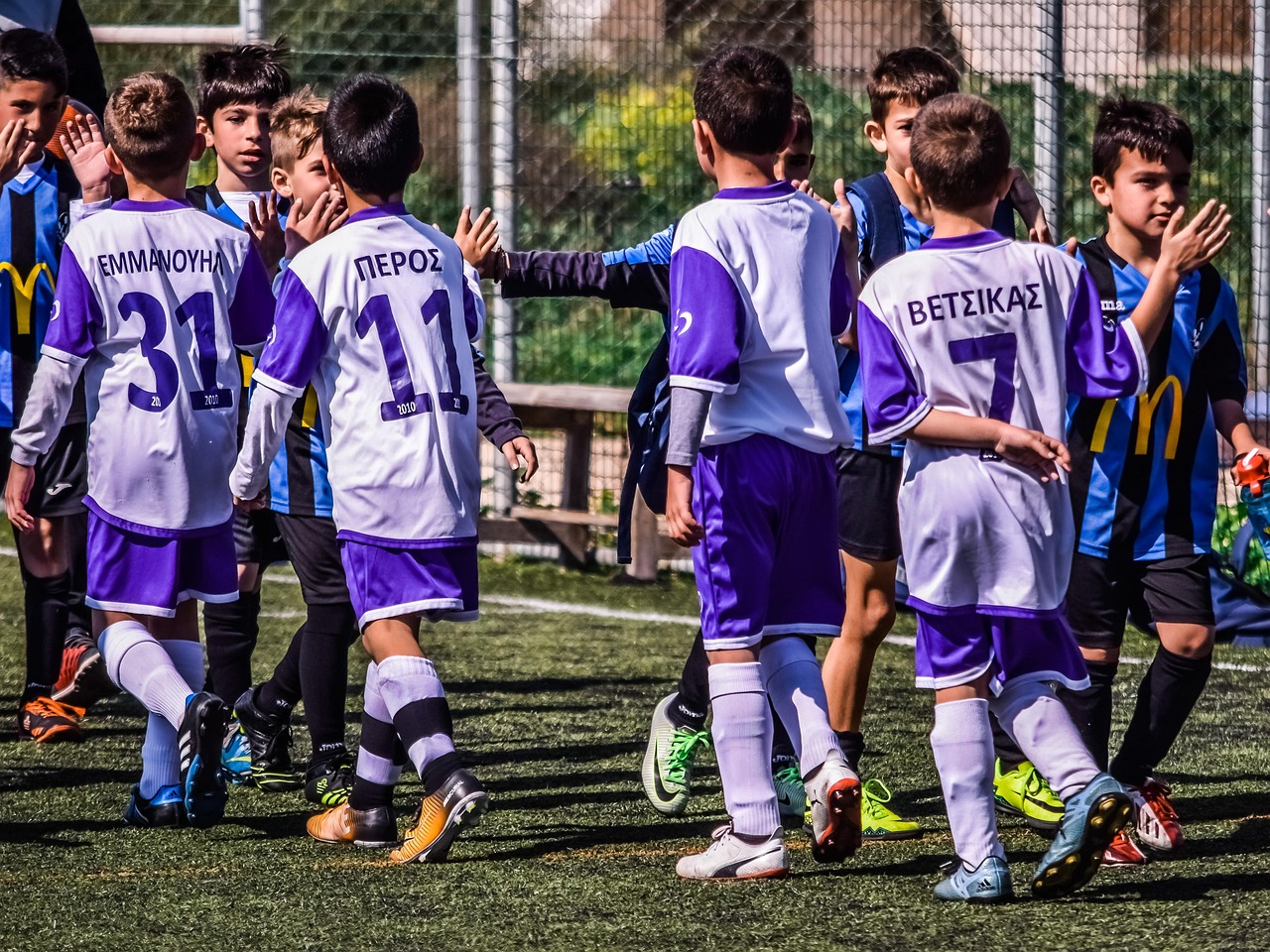
Moreover, the ethical standards established through fair play are vital in shaping the character of athletes. Engaging in sports with an emphasis on integrity teaches young athletes valuable life lessons beyond the field. It instills qualities such as accountability, respect, and teamwork, which are essential in everyday life. Athletes learn to manage their emotions, understanding the consequences of their actions in competitive environments. Consequently, they grow into individuals who demonstrate respect for opponents, irrespective of the game’s outcome. Fair play cultivates a sense of sportsmanship that influences athletes’ interactions during and after the game. When players acknowledge the efforts and skills of their opponents, they enhance the overall sporting experience. Such attitudes also encourage healthy competition, which is crucial for personal and team development. In the long run, the impact goes beyond just the game; it shapes individuals who value equity and fair treatment. As athletes mature, these lessons translate into their personal and professional lives, enriching their social interactions and fostering deeper connections. Fair play, therefore, becomes a nurturing ground for not just better athletes, but also better human beings who value community.
The Impact of Fair Play on Team Dynamics
The dynamics of a sports team can significantly transform when fair play is at the forefront of their values. A culture that prioritizes fairness generates an atmosphere of trust and positivity. Within teams, this trust encourages open communication and collaboration, allowing players to freely express their ideas and concerns without fear. Such a supportive environment leads to greater engagement, which positively affects performance. When players feel valued and respected, their motivation typically increases, leading them to put forth their best effort. Furthermore, coaches play a crucial role in cultivating fair play among athletes. Their leadership sets the tone for how teammates interact with each other and with opponents. By modeling fair play, coaches reinforce the importance of ethical behavior in all aspects of the game. This reinforcement helps players internalize these values, fostering a sense of belonging and responsibility towards one another. When coaches highlight fairness during training sessions, it enhances players’ understanding of its significance beyond just winning. This results in athletes who are better equipped to handle pressure and adversity, reinforcing the team’s cohesiveness and resilience in challenging situations.
In addition, fair play is a strategic tool that contributes to the longevity of a team’s success. Teams that embrace this principle often experience less conflict and discord among players. The willingness to uphold each other’s dignity fosters unity during challenging times. When faced with setbacks, the team rallies together, and members support one another more readily. This undying support system allows the team to overcome obstacles, both on and off the field, leading to improved performance outcomes. Fair play significantly reduces instances of negative behavior that can lead to penalties and losses. Players who value respect for the game are less likely to engage in unsportsmanlike conduct, enhancing the team’s reputation. A strong ethical foundation leads to improved interactions with referees, opponents, and fans, further solidifying a team’s standing in the sport. Importantly, these benefits extend into the community, fostering a positive image of the sport. As teams uphold fair play, they inspire future generations to adopt similar behaviors. Thus, the ripple effects enrich the sporting culture, reinforcing respect, camaraderie, and integrity across all levels of competition.
Challenges in Upholding Fair Play
Despite its numerous benefits, upholding fair play in team sports can be challenging. Various factors influence the dynamics within teams, including competitive pressures and individual motivations. In high-stakes environments, the desire to win can exert immense influence on athletes, leading some to compromise their values. Furthermore, cultural aspects may prevail, where winning at all costs overshadow the importance of fair play. Coaches, athletes, and organizations must actively combat these pressures by creating environments that prioritize ethics over titles. Additionally, external influences like media, sponsors, and fan expectations often contribute to intense pressure on teams. Navigating these pressures requires a strong commitment to ethical sportsmanship from all stakeholders. Effective communication among players, coaches, and supporters is essential in overcoming these challenges. Team meetings, workshops, and discussions on sportsmanship help reinforce the commitment to fair play. Moreover, educating athletes about the long-term benefits of maintaining integrity can help shift their focus based on immediate gains. Thus, proactive strategies are essential in ensuring that fair play remains a guiding principle in team sports, amidst challenges. Players must embrace these values wholeheartedly for their positive impact to radiate throughout the sport.
Furthermore, the role of leadership within a team is vital in championing the message of fair play. Coaches and captains serve as role models, establishing ethical expectations and guiding principles for their teammates. A leader’s commitment to fair play can motivate others to prioritize integrity in their actions. Fostering an environment where everyone feels responsible for upholding fair play is crucial. Peer accountability among players enhances their collective responsibility, fostering an empowered team culture. As each player actively engages in promoting fair play, the team bonds grow stronger, leading to enhanced performance during competitions. This support system helps players navigate challenges while maintaining a positive attitude. Leaders should encourage discussions about sportsmanship and how to handle pressure ethically so that athletes feel equipped to make the right choices. Moreover, recognizing athletes who demonstrate exemplary fair play reinforces these values within the team. Celebrating such behavior fosters a culture of appreciation and respect, motivating players to emulate these actions. Ultimately, leaders who embed fair play into their team’s ethos cultivate an enduring legacy that extends beyond individual careers, influencing the broader sports community positively.
The Future of Fair Play in Team Sports
Looking ahead, the future of fair play in team sports hinges on the collective commitment of all stakeholders. Stakeholders, including athletes, coaches, organizations, and fans, must champion the principle to ensure its lasting impact. Educational programs focusing on the significance of fair play can play a pivotal role in shaping the attitudes of young athletes. Initiatives that prioritize ethics over competition foster a culture of mutual respect essential in fostering future leaders. Furthermore, leveraging technology, such as social media and sports analytics, can enhance awareness regarding fair play. The increased visibility of ethical dilemmas in sports will encourage transparency and discussion. Utilizing platforms to promote positive stories surrounding fair play can inspire a shift in focus. Collaborations between organizations and educational institutions can further amplify these efforts, emphasizing the real-life applications of fair play. As sports continue to evolve, the need to embrace these values becomes increasingly crucial. Thus, the future of fair play is intertwined with nurturing an ethical framework that cultivates athletes’ character for generations to come. Building this foundation prepares them to meet life’s challenges, both on and off the field, successfully.
In conclusion, the role of fair play in enhancing team cohesion and performance cannot be overstated. It serves as the bedrock of trust, respect, and responsibility among athletes, forging bonds that elevate collective performance. Recognizing that sportsmanship not only benefits individuals but also strengthens the entire team is vital. As teams continue to face mounting pressures, the commitment to fair play becomes an indispensable asset for long-term success. Coaches play a pivotal role in instilling these values, guiding athletes through ethical dilemmas while emphasizing their critical importance. Additionally, the impact extends beyond immediate competition, influencing character development and shaping future leaders within communities. Consequently, promoting fair play should be a collective effort embraced by everyone involved in sports. Addressing the challenges that arise along the way is crucial to maintaining a culture of integrity in athletics. The future promises opportunities to evolve and uphold these principles through innovative practices and technology. Overall, fair play reinforces essential values that enrich the sporting experience for all involved, nurturing the growth of individuals and teams that prioritize ethics. This commitment to fair and respectful interactions ultimately shapes a legacy that extends well beyond the realm of sports.