
The Role of Skate Parks in Youth Development and Fitness
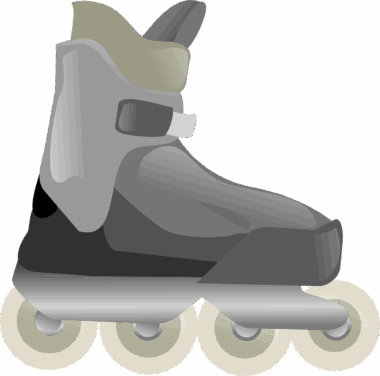
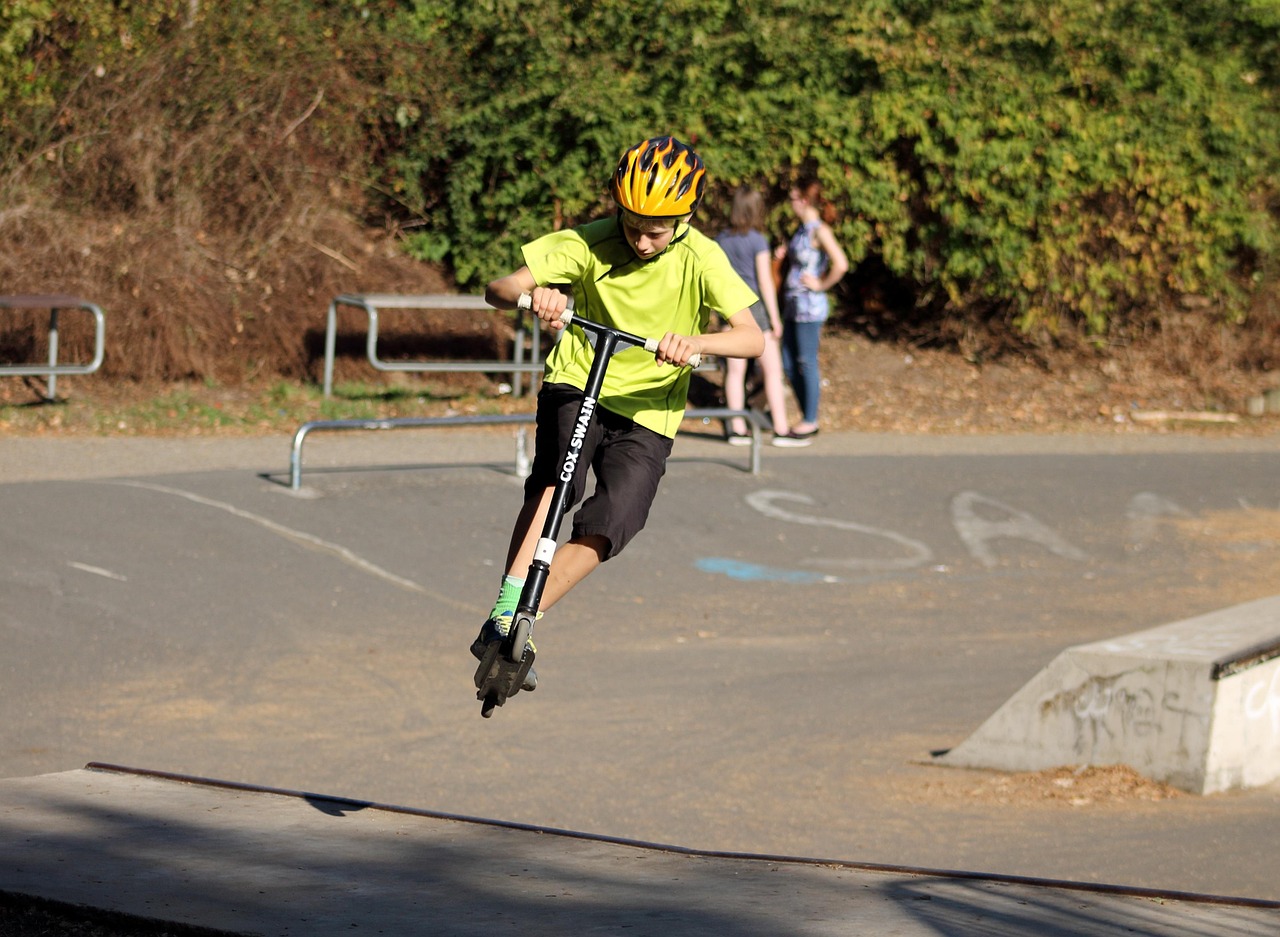
Skate parks play a significant role in promoting youth fitness and social interaction. These spaces provide an environment where young skaters can practice skills, foster friendships, and develop a sense of community. By engaging with peers, children experience teamwork and camaraderie, which are beneficial for their emotional development. Skateboarding and inline skating cater to various skill levels, allowing beginners to grow alongside more experienced riders. Furthermore, these parks encourage physical activity, combating sedentary lifestyles prevalent among today’s youth. Regular skating enhances core strength, balance, coordination, and cardiovascular fitness. This blend of socialization and exercise contributes to improved mental health. Additionally, skate parks can serve as safe spaces for youth, redirecting energy away from negative behaviors. Parents and guardians often express their appreciation for designated areas where their children can play freely. They can trust that the park fosters positive interactions, which ultimately leads to a more cohesive and supportive community. By investing in skate parks, local governments and organizations promote youth development, fitness, and overall well-being through healthy lifestyles and active play.
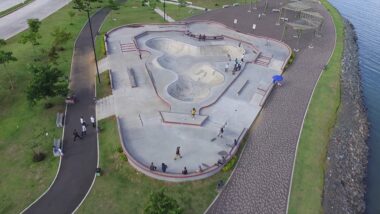
Skate parks also play a crucial role in providing mentorship opportunities for young skaters. More experienced skaters often take on informal roles as mentors, guiding newcomers and sharing valuable techniques. This mentorship fosters leadership skills and instills a sense of responsibility among older skaters. When young individuals see their peers excel, it inspires them to challenge their limitations and embrace perseverance. Coaches and instructors frequently use skate parks as training grounds for organized skate programs, enabling structured lessons that teach discipline and self-improvement. The social aspect of these parks enhances camaraderie and provides friendships that last a lifetime. Additionally, skate parks are often designed to include elements that cater to different skill levels, creating an inclusive space for all. From ramps and rails to bowls, each design encourages creativity and experimentation in skating styles. Children develop their unique skating identity while feeling safe to explore personal expression. This self-discovery nurtures confidence, an essential aspect of youth development. Moreover, public skate parks can host competitions and events, showcasing young talent and building a supportive environment, further solidifying their importance in youth culture.
Building a Sense of Community
Skate parks serve as community hubs, bringing together a diverse group of individuals united by a shared passion. This sense of belonging is invaluable for youth as it encourages them to engage positively with their surroundings. By participating in various events hosted at skate parks, such as contests and workshops, young people expand their social circles and build lasting friendships. The interactions fostered here can break down barriers between different social groups, making skate parks a melting pot of ideas and experiences. Local businesses often sponsor these events, strengthening ties between the skating community and the larger community. This collaboration encourages local support and investment in infrastructure, creating a win-win situation. Additionally, skateboarders often express their creativity through art, leading to visually appealing parks that reflect their culture. Murals and other artistic expressions enrich the park’s environment, making it a more inviting space for everyone, regardless of their skating abilities. Ultimately, skate parks cultivate a sense of pride for the youth, encouraging them to maintain and care for the spaces they use. When youth take ownership, it leads to responsible behaviors and a deeper commitment to their community.
The physical benefits of skate parks extend beyond mere fitness; they support overall wellness among youth. When young individuals regularly engage in skating activities, they experience improvements in muscle strength and endurance. Skating itself is an excellent full-body workout, activating different muscle groups simultaneously. For instance, leg muscles receive conditioning as skaters propel themselves across ramps or perform tricks. **Balance** and **core strength** improve dramatically as individuals adapt to shifting weight and maintaining stability. As a result, many skaters find they also perform better in other sports due to enhanced coordination and agility. Furthermore, skateboarding and inline skating help reduce stress and anxiety levels in youth. The rhythmic nature of skating acts as a form of meditation, providing an outlet for emotions. Many young individuals report feeling exhilarated after a good skating session, as endorphins are released, contributing to a feeling of overall happiness. Encouragement from peers and acceptance of one’s progress promotes resilience, enabling youth to navigate challenges with greater ease. In essence, the regular use of skate parks serves multiple beneficial purposes that extend well into adulthood.
Skate Parks and Accessibility
Accessibility is a key factor in the success of skate parks, as it ensures that all youth can participate in skating activities regardless of their background. Inclusive skate parks feature ramps and equipment suitable for various skill levels, accommodating riders with disabilities. Ensuring accessibility allows families from all walks of life to enjoy these communal facilities, promoting equity. Additionally, urban planners and local governments can engage community members in the design process to guarantee that skate parks meet the needs of the population. Feedback from skaters helps create effective layouts, ensuring children from varied backgrounds feel included. Partnerships with local organizations can further enhance accessibility initiatives. They can provide resources such as skate programs geared toward underserved communities, ensuring equitable opportunities for everyone. Moreover, creating adaptive programs allows individuals with unique needs to enjoy skating safely and comfortably. Inclusive skate parks also promote unity, allowing youth to bond over a shared love of skating. When children of diverse abilities skate together, they learn to appreciate each other’s differences and develop empathy that lasts beyond the park. Ultimately, designing accessible parks enhances community and enriches youth experiences.
The positive impact of skate parks is often amplified through collaboration with schools in the area. Schools can integrate skating into physical education programs or promote skateboarding clubs, exposing students to a unique form of fitness. When schools and skate parks develop partnerships, they can create structured programs focused on skill-building and safety education. These initiatives attract more youth, enhancing skate parks’ visibility and engagement. Skating can be a viable option for encouraging exercise outside traditional sports, which may not appeal to all students. By showcasing skating as an alternative, schools expose more students to the sport. Additionally, schools can organize events or field trips to local skate parks, sparking interest and excitement among students. In turn, skate parks can host educational workshops, teaching about skate safety, techniques, and park etiquette. This dual engagement builds valuable relationships between schools and skate parks while promoting youth fitness and social interaction. Such collaboration can lead to awareness campaigns, improving overall community safety around skate parks. A well-structured initiative creates an environment where everyone, including parents, values both physical education and creative recreation.
The Future of Skate Parks
As communities recognize the vital role skate parks play, future designs must adapt to meet evolving needs. Trends in skate park design are focusing on sustainability, incorporating eco-friendly materials and practices. Enhancing the aesthetic appeal of parks, designers are now integrating landscaping, seating, and lighting to create inviting public spaces. The primary goal is to create multifunctional areas that serve not only skaters but also the surrounding community. Gaining public support for new facilities requires showcasing the benefits of skateboarding and active play, particularly its impact on youth development. Additionally, community involvement ensures that new designs reflect local culture and preferences, drawing in more participants. Digital platforms offer funding opportunities through crowdfunding, allowing communities to invest collectively in their parks. Leveraging technology through mobile apps can enhance the skateboarding experience by fostering connectivity among skaters, sharing tips and experiences, and connecting with nearby users. As skateboarding continues to grow as a mainstream sport, skate parks will need to evolve, adapting to trends and inclusivity. With community support, investment, and innovative practices, skate parks will retain their critical role in shaping the health, development, and joy of youth.
Overall, skate parks are crucial for fostering healthy development among youth, providing opportunities for fitness, creativity, and social interaction. The positive impact of these parks reaches far beyond a simple recreational facility; they act as community pillars, promoting inclusivity, safety, and personal growth. The collaboration between local governments, schools, and communities is essential in ensuring effective support for skate parks. Investing in proper facilities leads to enhanced access, inclusivity for diverse populations, and encourages responsible use. Community stakeholders can work together to evolve park designs that respond to contemporary needs while embracing the rich culture of skating. In order to thrive in various environments, parks should encompass essential features, catering to both beginners and experts, and promoting growth. Ultimately, the future of skate parks rests on their ability to evolve alongside society, thus ensuring their relevance and importance. Encouraging young people to embrace active lifestyles within a supportive setting will benefit their physical health and overall well-being. As skateboarding continues to gain recognition and cultural significance, skate parks will remain vital in cultivating vibrant and engaged youth communities.