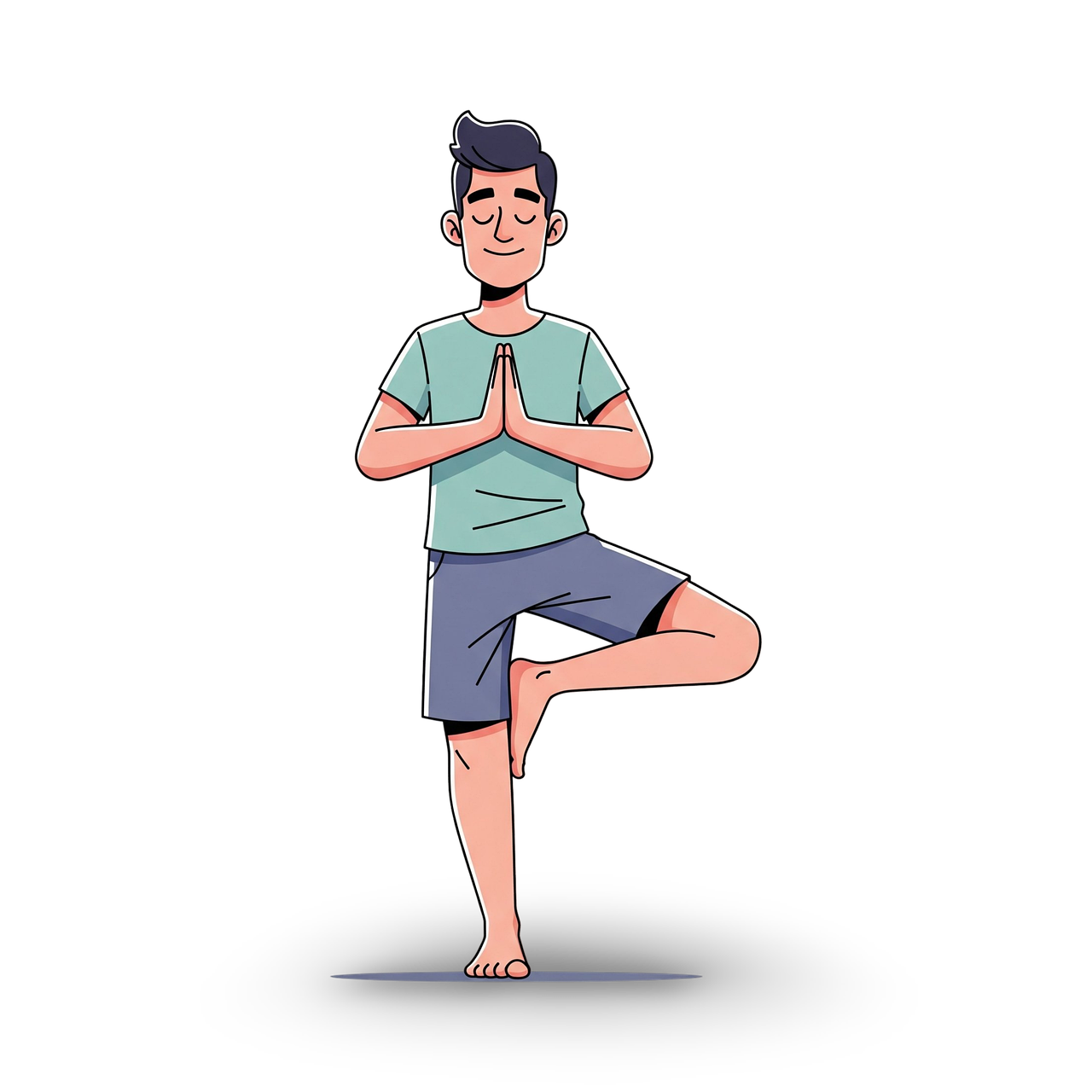

Using Hypnosis to Elevate Mindfulness During Physical Activity
Engaging in physical activity can be a fulfilling experience, but when combined with the practice of mindfulness, it can transcend to a new level. Hypnosis, as a therapeutic technique, invites participants to reach deeper levels of focus, enabling them to harness their mental strength. By integrating hypnosis, one can cultivate mindfulness, heightening their awareness of bodily sensations during physical workouts. This full immersion allows individuals to connect both mind and body, enhancing the overall practice. Essential components of this combination include relaxation techniques and guided imagery, which serve to ease the transition into a hypnotic state. Research indicates that hypnotic suggestion can significantly enhance performance in various activities such as running, cycling, and even yoga. Moreover, the released mental barriers and increased positive self-talk can lead to profound changes in one’s workout. Visualization through hypnosis can empower athletes, aligning their mental and physical prowess for improved outcomes. Establishing this connection often improves enjoyment and satisfaction derived from physical exertion, marking a significant shift in how one might approach fitness. Thus, employing hypnosis can prove to be a revolutionary tool in fostering enhanced mindfulness and performance in any physical discipline.
The benefits of integrating hypnosis into physical activity extend beyond mental engagement. Hypnosis has been found to reduce the perception of fatigue, allowing individuals to extend their boundaries. When athletes are guided into a relaxed state, they can access a reservoir of inner strength, pushing themselves further than conventional limits. Numerous studies demonstrate that this mental relaxation can lead to better control of breathing and muscle tension, two critical factors affecting overall performance. Furthermore, by focusing on positive visualizations, participants are encouraged to visualize achieving their goals, which boosts confidence. For those who frequently struggle with motivation, hypnosis presents a promising solution. By inciting deep relaxation and concentration, individuals may find themselves more driven to adhere to their fitness regimes. Additionally, in areas such as sports therapy, hypnosis can play a crucial role in pain management, enabling individuals with chronic pain conditions to participate more actively in physical activities. This aspect is particularly beneficial for rehabilitation cases. Therefore, embedding these techniques into regular physical routines can transform how one approaches health and wellness, stimulating not only the body but the mind concurrently for an enriching experience.
The Role of Visualization
Visualization plays a crucial role in fostering this connection between hypnosis and the mindfulness experience in physical practice. Through the power of imagination, athletes can recreate ideal scenarios where they execute their movements effortlessly. When accompanied by hypnotic suggestion, these visualizations become more vivid and impactful. Guiding oneself to picture success not only initiates feel-good hormones but also establishes physiological benefits, such as improved muscle coordination and mind-body synchronization. This holistic approach aids individuals in maintaining concentration amid distractions, especially during intensive workouts. By employing techniques such as focusing on a specific point or imagining a calming scene, participants create a mental environment that nurtures persistence and resilience. It’s important to note that consistency is key; repeated visualization often solidifies these successful images in the subconscious mind. As individuals become accustomed to this practice, they train their brains to respond positively under pressure, thus enhancing their athletic capabilities. Incorporating visualization exercises along with hypnosis can yield sustainable results, fostering a mentality geared towards progress, enabling individuals to transcend limitations, and aiding those who struggle with anxiety, giving them a firm ground to build upon.
The intersection between hypnotherapy and mindfulness in physical activity also opens avenues for healing and recovery. Many individuals experience mental blocks due to past injuries or negative experiences related to physical exertion. Here, hypnosis can play a transformative role. Hypnotherapy aids in reframing harmful beliefs, allowing individuals to engage once more in physical activities without fear. By addressing these issues head-on in a supportive environment, one can progressively redefine their connection with physical exercise. This could involve exploring specific memories or thoughts linked to discomfort, thereby releasing those negative associations. Moreover, patients undergoing rehabilitation can benefit from visualizing themselves executing movements without pain, reinforcing a positive recovery mindset. The psychological healing through hypnosis ultimately works in tandem with physical rehabilitation exercises to encourage optimal recovery, merging both aspects seamlessly. As individuals learn to trust their bodies again, physical engagement becomes less daunting and more engaging. Hypnotherapy therefore not only supports physical healing but fosters a resilient, motivated mindset, translating into improved performance. With dedicated practice, this synergy encourages a lasting commitment to wellness and physical activity as a daily choice, enriching lives across various demographics.
Creating a Personalized Practice
As one seeks to apply hypnotherapy to enhance mindfulness during physical activity, creating a personalized practice is essential. Each individual possesses unique needs, preferences, and responses to hypnosis. Hence, tailoring sessions to meet these distinctions guarantees optimal benefits. To begin, one should establish wellness goals that incorporate both mental and physical aspects of fitness. This might mean choosing specific activities that resonate with personal interests or emotions, facilitating enthusiasm. Gradually, the practice can evolve to involve traditional hypnotic techniques, such as self-hypnosis audio or visualization scripts. Recording affirmations and specifics of one’s ideal performance enables individuals to listen while engaging in physical practice. It’s also beneficial to reflect upon progress regularly, adjusting techniques to suit changing circumstances or enhance performance further. Furthermore, finding a qualified hypnotherapist who specializes in sports or wellness can significantly enhance this journey. Hiring a professional ensures structured sessions that are effective and supportive. As individuals embark on this personalized journey, remember that patience is vital. Lasting change takes time, and celebrating small victories along the way cultivates motivation and passion for continued activity.
In conclusion, the integration of hypnosis with mindfulness during physical activity creates a robust framework for improvement and healing. By facilitating mental engagement and physical performance, individuals can reap multiple rewards by enhancing their health perspectives. This connection emphasizes taking responsibility for wellness, merging psychological insights and physicality into one cohesive practice. Adopting hypnosis as a tool also serves to deepen experiences of mindfulness; it aids individuals in listening to their bodies, understanding energy levels, and recognizing needs for rest or exertion. This balanced approach to fitness not only enriches workouts but transforms fitness regimes into holistic wellness journeys. As people explore their potential, they cultivate resilience and passion for movement. This expansion extends beyond the personal, influencing the community by encouraging others to engage in healthier, mindful lifestyles. Through the power of hypnosis and mindfulness combined, individuals forge deeper connections within themselves and with their environment, fostering satisfaction and joy in physical activities. Consequently, as more people embrace these practices, an overall cultural shift toward acknowledging the significance of mental health in fitness takes place, shaping a brighter, healthier future for everyone.
Practical Steps for Implementation
For those interested in incorporating hypnotherapy into their fitness routines, practical steps can ease the transition. Start by researching different methods available for self-hypnosis and mindfulness practices. Many resources are accessible online, as well as workshops focusing specifically on this integration. Listening to guided sessions tailored for your activities can offer a gentle introduction. Establish a dedicated time for practice, allowing your mind to habituate to this new element within your physical training. Set a realistic short-term goal, focusing on the aspects you wish to enhance when exercising, such as endurance or flexibility. Over time, increase the complexity of visualizations or affirmations, cultivating a more profound connection. Establish accountability by joining local groups or online communities that share similar interests in physical activity and mindfulness. Engaging in discussions can provide additional motivation and encouragement. Remember to remain flexible and compassionate with yourself during this process; different techniques work for different individuals, and adapting is a natural part of exploration. As you consistently focus on these principles, the integration of hypnotherapy into your fitness journey will yield rewarding and transformative experiences in vibrant ways.
Ultimately, harnessing hypnosis to enhance mindfulness during physical activity presents an opportunity for personal transformation. The progression achieved through this synthesis encourages more than just physical improvements; it fosters emotional resilience and fosters a deeper comprehension of wellbeing. As athletes and fitness enthusiasts navigate their journeys, this technique serves as a potent reminder of the essential connection between mind and body, enriching both domains. With continued emphasis on this union, healthier lifestyles promote overall quality of life, enhancing joy while engaging in physical activities. Such comprehensions not only elevate personal experiences but lift entire communities toward more profound engagement with their well-being. Especially in times of stress, employing effective techniques like hypnotherapy provides welcomed resources for achieving balance in life. Summing up, individuals looking to explore new dimensions of physical activity and mindfulness should not hesitate to embrace hypnosis as a valid tool for transformation. Through dedication and practice, the rewards of this combination reach beyond the self, inspiring others to live more mindfully and with purpose. Engage proactively, transform health, and cultivate happiness through the marriage of the mindful experience with physical activity to reveal limitless possibilities.