
Comparing Dragon Boating with Other Water Sports
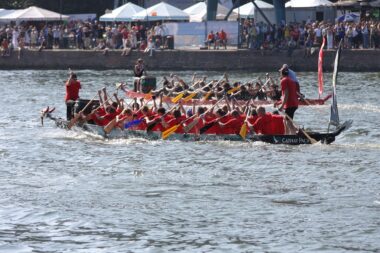
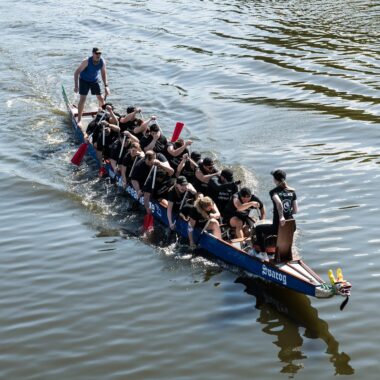
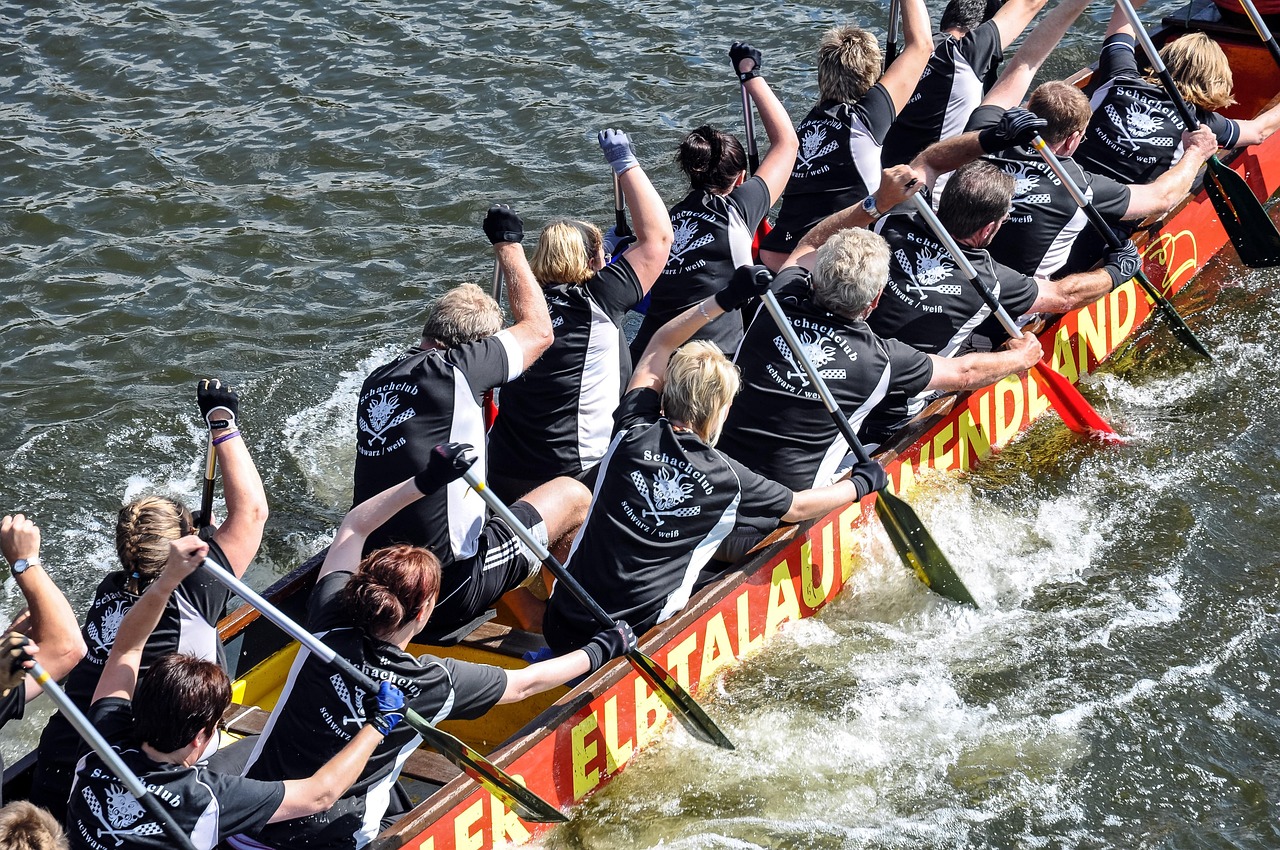
Dragon boating is a unique and thrilling form of team water sport, blending tradition and competition. Originating from ancient China, it requires a crew of up to twenty paddlers to work in unison, steering a long boat adorned with a dragon head. In comparison to other water sports like kayaking or rowing, dragon boating emphasizes teamwork and synchrony. Kayaking involves solo or duo paddlers navigating smaller craft, requiring individual skill and stamina. Rowing, on the other hand, often involves larger teams but emphasizes technique in sculling or sweep rowing. Each sport has its appeal, yet dragon boating stands out through its cultural roots and communal approach. Beyond competition, it fosters camaraderie among participants, making it a favored choice for festival events. Many regions globally now host dragon boat racing competitions, inviting teams to engage in friendly rivalry while celebrating this vibrant tradition. Enthusiasts enjoy the rhythmic nature of paddling together, and many report feeling a deep connection to their team and heritage. By understanding these nuances, prospective athletes can decide which water sport resonates most with their goals and interests.
One major aspect where dragon boating differentiates itself from other water sports is in its cultural significance. This sport is steeped in rich traditions and ceremonies, often linked to the Duanwu Festival. While sports like sailing or windsurfing can be thrilling, they may lack the same historical ties. Participants in dragon boating often partake in rituals, such as dragon blessing ceremonies, amplifying the experience with spirituality. This connection to tradition offers a unique entry point for individuals seeking a meaningful practice in their sporting pursuits. Moreover, dragon boating has a strong community focus, promoting inclusivity by welcoming paddlers of all skill levels. In contrast, other water sports may cater more to individual skill or levels of expertise, possibly deterring newcomers. In dragon boating, new paddlers can easily join and learn. The emphasis is more on collective achievement and enjoyment than on competition alone. As the sport grows globally, various clubs and organizations have emerged to further solidify this community-based approach, cultivating an environment that prioritizes fun, teamwork, and cultural understanding. Planning to participate could introduce one to exciting adventures ahead, through events and tournaments.
Physical Conditioning Compared
One cannot overlook the physical aspects when comparing different water sports. Dragon boating provides a full-body workout that engages the core, arms, and legs during intense paddling sessions. This contrasts sharply with sports like jet skiing or stand-up paddleboarding, which can lean more on leisure rather than exercise. Paddlers often experience an increase in strength, endurance, and cardiovascular capacity while participating. Dragon boat races push athletes to their limits, encouraging them to develop their physical abilities. However, while kayaking also offers substantial physical conditioning, it often requires different muscle groups, focusing primarily on upper body strength. Stand-up paddleboarding can be more relaxing, yet it requires balance and stability. The intensity level of dragon boating ensures that athletes constantly improve their fitness levels through regular training and competitive events. Additionally, teams regularly engage in cross-training, incorporating exercises such as running or strength training to enhance performance effectively. This holistic approach to fitness sets dragon boating apart from more solitary, skill-focused water sports. Recognizing various strengths and weaknesses among water sports can help participants choose their ideal activity for fitness goals.
In terms of social dynamics, dragon boating dramatically contrasts other sports like surfing or competitive swimming. Surfing can often be solitary, requiring individual skill to navigate waves. Conversely, dragon boating fosters interpersonal relationships as a subset of team sports. The collective experience cultivates bonds that can last well beyond training sessions and race days. Teams often socialize outside of training, promoting a sense of unity that is sometimes absent in solo sports. Competitive swimming might involve team relays but is primarily based on individual times. In dragon boating, everyone rows together under the guidance of a steerer, promoting a culture of mutual support and synergy. Additionally, team members often learn valuable communication and cooperation skills as they synchronize their strokes in races. This community aspect creates an environment that celebrates diversity, with paddlers from various backgrounds uniting for a shared goal. Engaging in dragon boating creates not only athletic participants but lifelong friendships. Many clubs also participate in joint practices and competitive events, reinforcing this sense of community as members work towards common objectives while building networks across regions.
Adapting to Environment
When considering environmental factors, dragon boating showcases adaptability compared to other water sports. It can be practiced on various water bodies, such as rivers, lakes, and canals. Kayaking is similarly versatile, yet certain styles require specific locations for maximum enjoyment. In contrast, sports like rowing generally necessitate large bodies of open water, which may limit accessibility for some participants. Additionally, dragon boat races can be organized both on calm waters within events and on rougher conditions that test teams’ skills and resilience. This broad adaptability attracts varying participants, from casual weekend warriors to competitive athletes. Moreover, the community aspect creates a willingness to embrace diverse settings, allowing groups to engage and enjoy paddling together anywhere. Impacting this positively, the sport has initiated eco-friendly initiatives encouraging local clubs to raise awareness of water safety and purification. As the sport grows, so does its responsibility towards protecting aquatic environments, setting dragon boating apart from other water sports. By making the effort to adapt and care for surroundings, dragon boating fosters a balance between recreational activity and nature preservation, which can often be overlooked in other sports.
Another discussion point is the mental health benefits associated with dragon boating versus other water sports. The act of paddling in synchrony promotes mindfulness, allowing paddlers to connect with the rhythm of their movements. Similar to yoga or tai chi, this synergy encourages participants to focus on the present while fostering tranquility. Other forms of water sports can also offer relaxation but may not unite participants in the same way. For instance, paddleboarding allows for personal reflection, yet the solitude may not always promote group bonding as dragon boating inherently does. The teamwork involved can lift spirits and improve mental well-being through shared experiences. Engaging with teammates fosters a sense of belonging, which is beneficial for emotional health. Furthermore, dragon boating can be empowering, especially for women who have championed the sport, creating spaces for resilience and strength. Many clubs cater specifically to diverse groups, including breast cancer survivors who use this sport to reclaim their strength and community. Recognizing the mental health perspective opens doors for education and awareness within all water sports, emphasizing the holistic approach they all could embrace.
Conclusion and Overall Comparison
Ultimately, comparing dragon boating with other water sports reveals the unique bonds formed through teamwork and tradition. While various water sports offer distinct advantages, dragon boating’s communal spirit stands out unmistakably. Its ability to unite participants while cultivating physical fitness, mental wellness, and cultural ties can’t be overlooked. This makes it a compelling choice for individuals seeking a balanced approach to recreation. As newcomers search for an engaging sport, making the choice will depend upon various personal interests, including fitness goals, social connections, and even cultural appreciation. By recognizing what each water sport offers, enthusiasts can make informed decisions, ensuring a fulfilling water sports experience. Ultimately, dragon boating’s rich history, commitment to community, and holistic benefits make it a captivating pursuit for individuals and groups alike. With ample opportunities for newcomers to learn, diverse competitions to explore, and an ever-growing global presence, dragon boating can potentially resonate with anyone looking to embark on a thrilling adventure on the water. Joining a team would be an exciting way to enhance skills, make friends, and cultivate lifelong memories in the vibrant world of water sports.