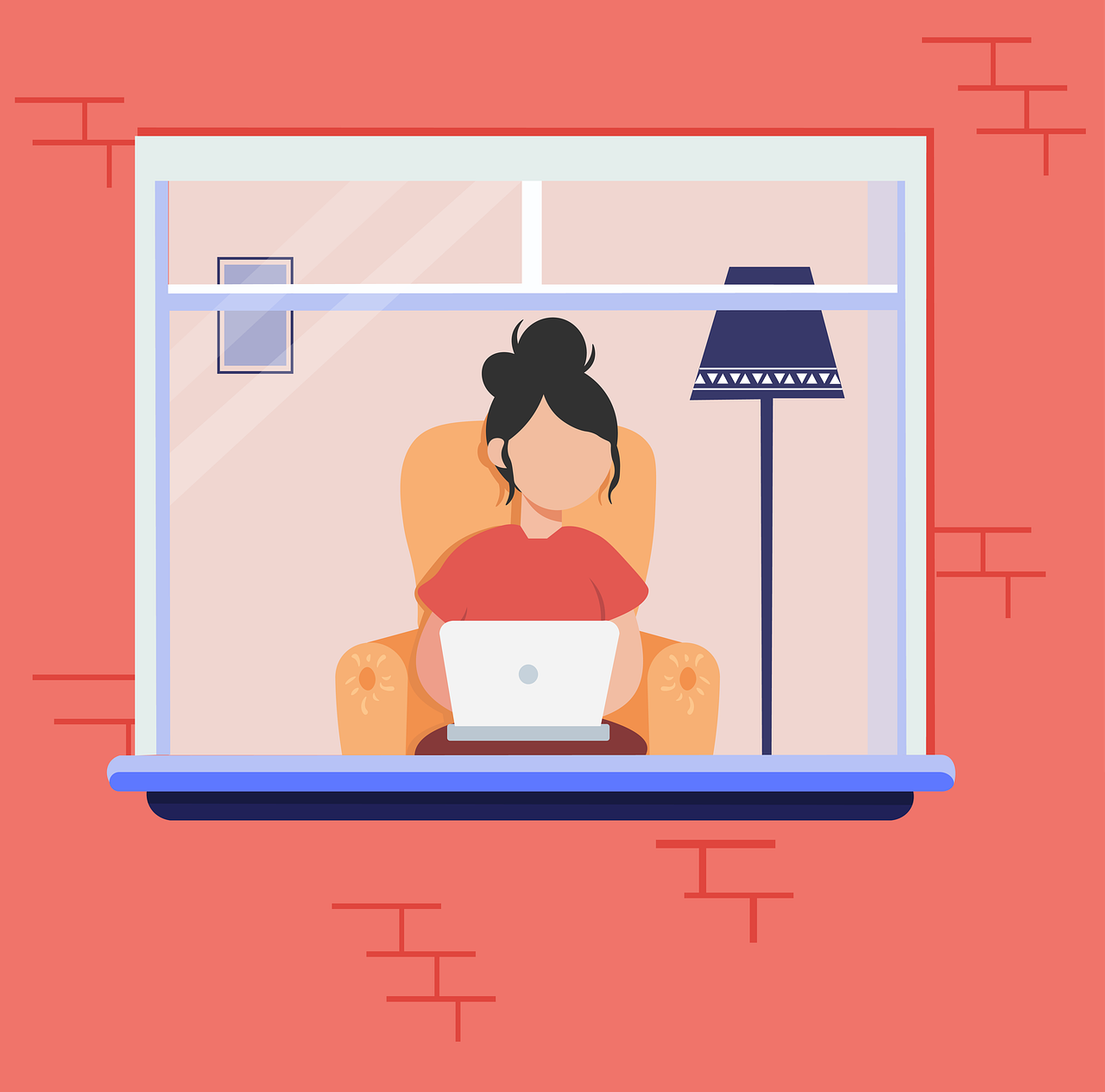

Distance Learning and Its Ergonomic Challenges for Students
The rapid transition to distance learning has dramatically altered the way students engage with educational content. While it has opened doors for learning at home, it has also brought ergonomic challenges that can affect health. Students who participate in online classes often find themselves seated for prolonged periods, leading to discomfort and potential long-term issues. Proper posture is crucial in these situations; slouched or awkward positions can lead to chronic pain in the neck, back, and shoulders. Moreover, many students lack ergonomic furniture, resulting in improper support. The use of laptops without properly designed desks is common, often forcing students into unhealthy positions.
As students adapt to online learning environments, the risk of musculoskeletal disorders increases due to poor posture. Many individuals are using non-ergonomic chairs or even couches for attending classes, which can exacerbate spinal issues. Incorrect screen heights can also strain the eyes, leading to fatigue and an inability to focus. Families may not have suitable workspaces established, further complicating students’ efforts to maintain good posture and comfort. Educators need to raise awareness about these factors so students can learn how to set up their environments properly and prioritize their physical health. Simple adjustments can make a significant difference, enhancing their learning experience dramatically.
Importance of Ergonomics in Online Learning
Ergonomics should not be overlooked during distance learning; a healthy workspace promotes better concentration, productivity, and overall learning outcomes. When students are comfortable and less distracted by pain, they are more likely to engage with their studies effectively. The design of the home workstation plays a critical role. Ideal setups include adjustable chairs, desks at appropriate heights, and screens positioned to minimize strain. It is beneficial for students to take regular breaks and stretch, facilitating better blood circulation and alleviating tension. Ergonomic education can empower students to make informed choices about their work environments for enhanced learning.
Technology companies have begun to recognize the importance of ergonomics, producing equipment that supports better posture. Accessories like ergonomic keyboards and mice help reduce strain during extensive computer usage. Additionally, standing desks are increasingly popular, allowing students to alternate between sitting and standing. Schools and institutions could adopt partnerships with companies to provide discounts or inform students about affordable ergonomic furniture. Furthermore, the use of apps that remind students to take breaks can help in cultivating healthier habits during online learning sessions. Focus on ergonomics will be crucial in ensuring students can thrive in their new educational landscape.
Strategies to Improve Posture for Students
There are various strategies students can employ to mitigate the ergonomic risks associated with distance learning. Firstly, they should ensure their chair provides adequate support, allowing the feet to rest flat on the ground. Secondly, adjusting the computer screen to eye level can prevent neck strain caused by looking down or up. Similarly, using a lumbar roll or cushion can improve back support during long study sessions. Creating a schedule that incorporates stretching and movement can drastically reduce the physical toll of sedentary learning. Awareness and implementation of these practices are necessary for promoting health and wellness.
Institutions can also play an active role in guiding students toward better ergonomic practices. Schools can hold workshops or provide online resources demonstrating ergonomic setups. Offering tips for optimal screen brightness and contrast can help reduce eye strain as well. Furthermore, creating community discussions around the physical challenges faced in online education can foster a supportive environment. Providing students with a platform to voice their concerns about posture and health can encourage proactive changes in their workspaces. Integrating health education into the academic curriculum ensures that students understand these challenges’ significance and solutions.
Conclusion
The overall shift to distance learning has highlighted a variety of ergonomic challenges that directly impact students. Understanding the significance of proper posture and ergonomic setup is vital to their educational journeys. By increasing awareness, adopting suitable equipment, and establishing a supportive community, both learners and educators can enhance the online learning experience. Emphasizing wellness during this transition is essential, as it leads to healthier academic habits and improved mindfulness about personal wellbeing. Moving forward, it is crucial to prioritize ergonomic considerations to cultivate successful learners beyond the pandemic, equipping them with lifelong skills.
Investing in ergonomic solutions ensures that students can continue academic endeavors comfortably and effectively. As technology evolves, finding innovative ways to support health and learning will become increasingly important. Together, students and educators can build an environment that not only prioritizes education but also the holistic well-being of every learner. Encouraging dialogue about posture and ergonomics can support a progressive shift in how distance learning is perceived and engaged with in the future.