
Essential Warm-Up Exercises for Beach Volleyball Players
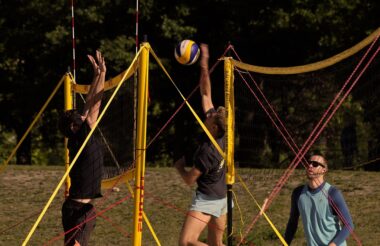
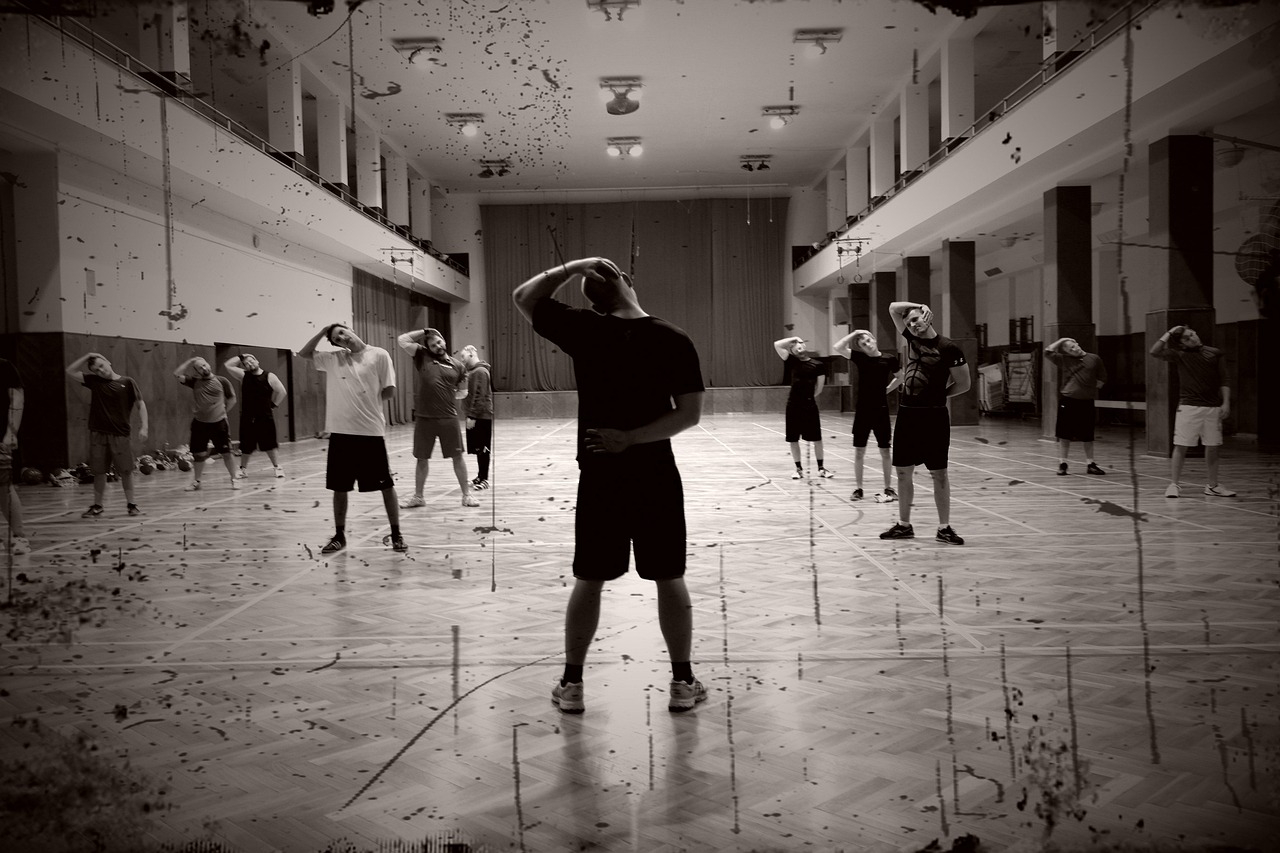
Warm-up exercises are crucial for beach volleyball players to prepare their muscles and joints for the intense physical activity ahead. These exercises not only prevent injuries but also enhance performance. A proper warm-up routine improves blood circulation and increases body temperature, which leads to better muscle flexibility. Each player should incorporate dynamic stretching into their warm-up to activate their muscles. Some effective warm-up exercises include jumping jacks, arm circles, and leg swings. Players should focus on their legs, shoulders, and core as they prepare for gameplay. Additionally, performing sport-specific movements helps in mimicking the actions that will be required during matches. It’s vital to start slowly and gradually increase intensity as the body becomes more limber. Moreover, hydration is essential during warm-ups; athletes should drink water before and after their exercises. By dedicating time for warm-ups, players can ensure that they are mentally and physically ready for the challenges on the sand. Engaging in these essential warm-up exercises will set the stage for an exciting and effective training or competitive beach volleyball experience.
Along with physical preparation, mental readiness equally boosts performance in beach volleyball. Visualization techniques can play a vital role in focusing the mind before a game. Players often visualize successful plays, which helps them tap into their potential during actual matches. Breathing exercises are also beneficial for calming nerves and enhancing concentration. Implementing a routine that combines both physical warm-ups and mental exercises can be very effective. Furthermore, partners or teammates can join in to create an encouraging atmosphere during warm-up sessions. Various musical beats can add to the energy and motivation as well, making it enjoyable. Remember that effective communication with teammates starts even at the practice level. Use warm-up time not only for physical training but also for building team chemistry. Coaches should encourage players to express their thoughts on strategies and plays during this time. Consistent warm-ups will help players improve their skills while developing a strong team dynamic. Overall, combining physical and mental warm-up practices enhances readiness, boosting performance on the court. Such activities foster confidence and unity, significantly contributing to a cohesive gameplay experience on the sand.
Dynamic Stretches for Agility
A key aspect of warm-ups involves performing dynamic stretches tailored for agility enhancement. These stretches prepare the muscles for fast, explosive movements typical in beach volleyball. Examples of effective dynamic stretches include high knees, butt kicks, and walking lunges. Engaging in high knees effectively engages the leg muscles and also boosts cardiovascular fitness levels. Butt kicks activate the hamstrings, ensuring these critical muscles are warmed up for jumping and sprinting. Walking lunges, on the other hand, activate multiple muscle groups, providing a solid base for movements on the sand. As volleyball involves frequent changes in direction, stretching should emphasize flexibility around the hips and ankles. Players should also perform lateral movements, as lateral lunges will aid in enhancing side-to-side motion. Ideally, each stretch should be performed for about 20 to 30 seconds. Incorporating these stretches into the warm-up routine fosters better overall coordination. This ultimately leads to improved performance during strategic plays, allowing players to tap into their agility and responsiveness on the court. Making dynamic stretches a habit allows beach volleyball athletes to elevate their gameplay significantly over time.
Additionally, players should focus on developing core strength during warm-ups for peak performance. A strong core supports stability, necessary for various volleyball techniques. Beach volleyball requires jumping, spiking, and diving, all demanding significant core engagement. To invigorate these muscles, exercises such as planks, Russian twists, and bicycle crunches are excellent choices. Specifically, planks not only solidify core strength but also help in promoting proper posture. Russian twists assist in enhancing rotational strength, essential for powerful serves and spikes. Meanwhile, bicycle crunches engage multiple muscle groups, providing a comprehensive core workout. Players must maintain proper form during these exercises to maximize their effectiveness and avoid injuries. Similarly, maintaining balance during warm-up routines will improve overall body control and mechanics. Integrating balance exercises such as single-leg stands can further strengthen muscles associated with stability. Consistent core conditioning can be invaluable in bolstering players’ confidence as they navigate challenging plays, ensuring they can stay agile throughout matches. Ultimately, a well-rounded warm-up that includes core-strengthening exercises enhances players’ capabilities and keeps them competition-ready at all times.
Cool-Down Techniques
After intense training or matches, implementing effective cool-down techniques is essential for recovery. Just as warming up prepares the body, cooling down helps gradually lower heart rates and prevents muscle stiffness. Stretching after play is important for muscle recovery as it assists in alleviating soreness. Some recommended cool-down exercises include static stretches, such as hamstring and quad stretches. Players can also benefit from a slow-paced walk to help transition from exercise to rest. Breathing exercises during the cool-down phase enhance relaxation, reducing stress on the body. Light foam rolling can be incorporated to ease tight muscles and promote tissue recovery. Players should be encouraged to hydrate during cool-down sessions to maintain fluid balance. Incorporating a proper cool-down routine contributes to long-term injury prevention, as it nurtures muscle recovery cycles. Recovery is crucial as it prepares players for their next training session or competition. Moreover, players should reflect on performance during the cool-down phase. Discussing strategies and what worked effectively aids in continuous improvement. Thus, ensuring warm-up and cool-down are both fundamental elements of a comprehensive training regimen for beach volleyball players.
Incorporating flexibility training in warm-up routines offers added benefits for beach volleyball players. This type of training enhances range of motion and reduces the risk of injuries. Stretching exercises should focus on major muscle groups such as the back, shoulders, and legs. Stretching of the hip flexors, quadriceps, and hamstrings is particularly beneficial given the dynamic nature of beach volleyball. Exercises like the standing quad stretch and seated hamstring stretch can effectively enhance mobility in these areas. By dedicating a portion of the warm-up to flexibility, players become more agile, which enhances overall performance. It’s suggested that players hold stretches for 15-30 seconds to achieve optimal benefits. Stretching should be performed slowly and in a controlled manner to avoid muscle tears. Additionally, yoga can be an excellent method to increase flexibility and improve mental focus. Incorporating yoga poses that emphasize balance and core strength can greatly assist players. Such practices not only help in physical performance but also nurture mental resilience. As players regularly integrate flexibility training into their warm-ups, they will notice enhanced agility and a higher level of comfort during gameplay.
Final Thoughts on Warm-Up Importance
Overall, a comprehensive warm-up routine for beach volleyball players is paramount for optimizing performance and ensuring safety. It features dynamic stretching, core strengthening, and flexibility training tailored for the demands of the game. The importance of both physical and mental preparations cannot be overstated; they are intertwined and essential for overall athlete performance. Players should prioritize dedicating sufficient time to warm-up sessions before training or matches. Coaches play a vital role in instilling this discipline among players, ensuring they understand the need for warm-ups. These routines are not merely formalities—they are strategic components that enhance players’ capabilities. Moreover, warm-ups foster an environment for teamwork and communication, helping players develop synergy on the court. This ultimately translates to better performance during matches as it builds collective confidence. As players make warm-ups an intrinsic part of their routine, they will likely experience noticeable improvements in their gameplay. Thus, committing to a well-structured warm-up can yield significant benefits both in the short and long term for beach volleyball players.
By continually refining and perfecting warm-up exercises, players evolve their skills while embracing the competitive nature of beach volleyball. Players at all levels, from beginners to professionals, can benefit from these practices. Taking proactive steps in preparing their bodies leads to greater endurance and agility on sandy courts. As they enhance their warm-up routines, they also nurture an athlete’s mindset that embraces discipline and hard work. Furthermore, refreshing warm-up routines could involve community practices or training camps, fostering collaboration among athletes and coaches. Adapting to new techniques and practices will only contribute to overall performance improvement. Therefore, players should take ownership of their warm-up practices and make them an integral part of their training regimen. The bond created through shared experiences during warm-ups builds trust and camaraderie leading to success on the court. Ultimately, effective warm-ups are crucial in laying the foundation for exciting beach volleyball experiences. With well-structured warm-up routines, players are paving the way for a passionate journey in the sport, filled with learning, growth, and achievements.