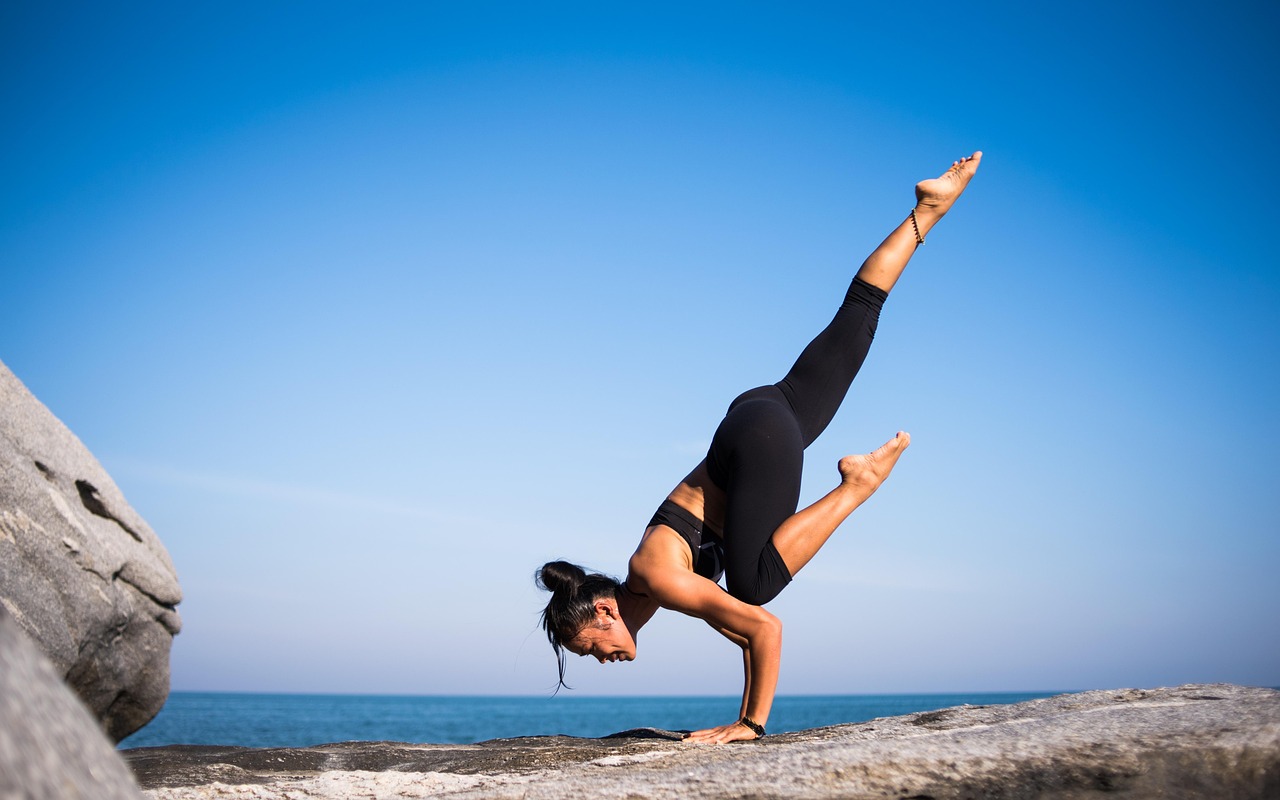

How to Train Your Core for Improved Balance in Dance
Having a strong core is vital for dancers seeking improved balance during performances. Your core muscles consist of the muscles in your abdomen, lower back, hips, and pelvis. Developing these muscles enhances stability and control while dancing. Strong core muscles support your spine and pelvis, allowing for smoother transitions from movement to movement. By focusing on core training, dancers can achieve better alignment and balance. Exercises targeting the core, such as planks and bridges, will increase your strength and awareness. Incorporating balanced movements in practice can help a dancer engage their core effectively. Remember, your core acts as a foundation for all dance movements. Therefore, dedicated practice in this area can lead to improvement not just in balance but overall performance as well. Aim for at least two to three sessions per week focused on core strength. This consistency will build endurance and stability essential for dancers. Various training tools like stability balls and balance boards can also enhance your training regime. Utilizing these tools can introduce variation and challenge, further enhancing your overall dance skills and performance quality.
Core strength exercises also promote effective body alignment, making it easier for dancers to maintain posture. When your core is strong, it stabilizes the spine, aiding in your ability to perform complex movements. Incorporating exercises such as abdominal twists and Russian twists into your routine can significantly enhance your core strength. Additionally, working on balance-specific exercises helps develop proprioception, which is crucial for all dancers. This heightened awareness can prevent injuries, enabling dancers to execute intricate routines with confidence. Flexibility is another important aspect of core training. You can integrate stretches like the cobra and child’s pose to enhance mobility. These stretches improve muscle elasticity and can aid in overall performance. Ensure to target all areas of the core during training sessions. Your training should involve dynamic movements as well as static holds. These varied approaches will not only improve strength but also enhance endurance and coordination. As you progress in your training, you can integrate dance movements into your core exercises. For example, try performing turns or jumps while maintaining core engagement. This will further bridge the gap between core conditioning and actual dance performance.
Advanced Core Training Techniques
For dancers seeking advanced techniques in core training, consider incorporating movement patterns that mimic dance. For example, implementing proprioceptive training can dramatically improve balance. Proprioception exercises provide reactive training by challenging a dancer’s body stability. These exercises might include single-leg balancing on an unstable surface. Further, integrating dynamic core movements, such as Pilates exercises, can enhance overall core engagement. Many dancers benefit from using resistance bands during their workouts. These bands add an element of resistance to traditional exercises, resulting in increased muscle activation. Integrating exercises such as resistance band rotations could provide significant core engagement benefits. As you refine your core training routine, remember to vary your workouts. Including aerobic dance movements helps build strength while improving endurance. Different dance styles can be used to target specific muscle groups. Focus on integrating ballet, jazz, or contemporary styles into your training. Also, don’t forget about recovery! Allow your muscles adequate rest to rebuild. Taking time for yoga or other flexibility routines is equally essential. Listening to your body is crucial to a successful training regimen, so ensure rest and recovery are balanced with your core workouts.
Nutrition also plays an integral role in developing core strength and improving dance performance. Consuming a balanced diet containing lean proteins, healthy fats, and whole grains supplies your body with the necessary nutrients required for muscle repair and growth. A body that is fueled properly will exhibit better stamina and resilience during core training routines aimed at balance enhancement. Proper hydration is equally crucial, as dehydration can impair performance and recovery. Make sure to drink adequate water before, during, and after your dance practice. Additionally, consider incorporating anti-inflammatory foods into your diet, such as berries and leafy greens. These foods can help mitigate inflammation that can arise from intense training periods. It’s crucial to have a supportive nutritional plan when aiming for specific fitness goals in dance. A registered dietitian or nutritionist can assist in formulating a diet tailored for dancers. They can help you identify your ideal caloric intake and the best macronutrient distribution for optimal performance. Remember that your body requires sufficient fuel for the rigorous demands of dance and core training. Stay consistent with healthy eating patterns to maximize your results.
Monitoring Progress and Setting Goals
Measuring your progress in core strength training is essential for motivation and improvement. Establish specific and measurable goals such as holding a plank for a prolonged period or successfully completing more advanced movements. Regular assessments will provide insight into your development. Utilize tools such as fitness trackers or journals to log your workouts and monitor improvements. Setting realistic milestones is crucial as this will keep you inspired to continue your training. Consider engaging a coach or trainer who specializes in dance performance. They can help develop a personalized training plan tailored to your needs. A knowledgeable coach can also help ensure your form is correct, vital for preventing injuries. Overcoming challenges in training sessions will not only increase your core strength but also positively affect your confidence as a dancer. Enlist friends or fellow dancers to join you in your core training journey. Sharing your goals with others fosters accountability. Additionally, participating in group classes centered around core strength is a great way to learn new techniques as well submit to positive peer pressure. Keeping your goals in sight will enhance your motivation and commitment to improving your balance through core training.
Rest and reflection are equally vital in a dance training regimen focused on core strength and balance. Ensure you integrate designated rest days into your weekly plan. These rest periods facilitate muscle recovery and allow time to reflect on your progress. Take this time to assess which exercises work best for you. Journaling your feelings and physical responses can provide valuable insights into your training pattern. Mindfulness techniques can also help enhance your awareness of body movements and improvement over time. Consider journaling or meditating to develop a deeper connection with your dancing. This approach helps maintain focus and clarity while you progress toward your goals. Moreover, embrace constructive feedback received from instructors or peers, helping you refine your approach. Their insights often reveal blind spots you might overlook, shaping your journey considerably. Remember that dance is as much a mental endeavor as it is physical. Cultivate resilience by setting new challenges that align with your overall objectives. Whether it’s mastering a new move or improving core balance, focus on growth holistically. Combining physical training with mental strength will yield significant benefits to a dancer’s performance overall.
Conclusion: Core Training and Dance Performance
In conclusion, dedicated core training not only improves balance for dancers but augments overall performance and strength. By focusing on developing your core, you’ll cultivate greater stability and control throughout your routines. Embrace a comprehensive training approach by integrating strength, flexibility, and balance exercises to maximize results. Adopt proper nutrition, hydration, and rest to support your training regimen. The effort placed into core training can pay off in innumerable benefits for both beginners and seasoned dancers. Keep in mind that the journey toward mastery requires consistency and also involves setbacks. Setting short-term goals can help maintain momentum in your performance journey, encouraging improvement. Remember to analyze your progress regularly, as this makes it easier to stay motivated and engaged in the process. Always be ready to adapt and modify your training plan according to your personal growth and changing requirements. Finally, harmonize your training with your passion for dance. The core is the driving force behind many dance movements, making it imperative to build strength in this area. So, dedicate time to train your core diligently, and watch how your balance and dance performance transform over time.