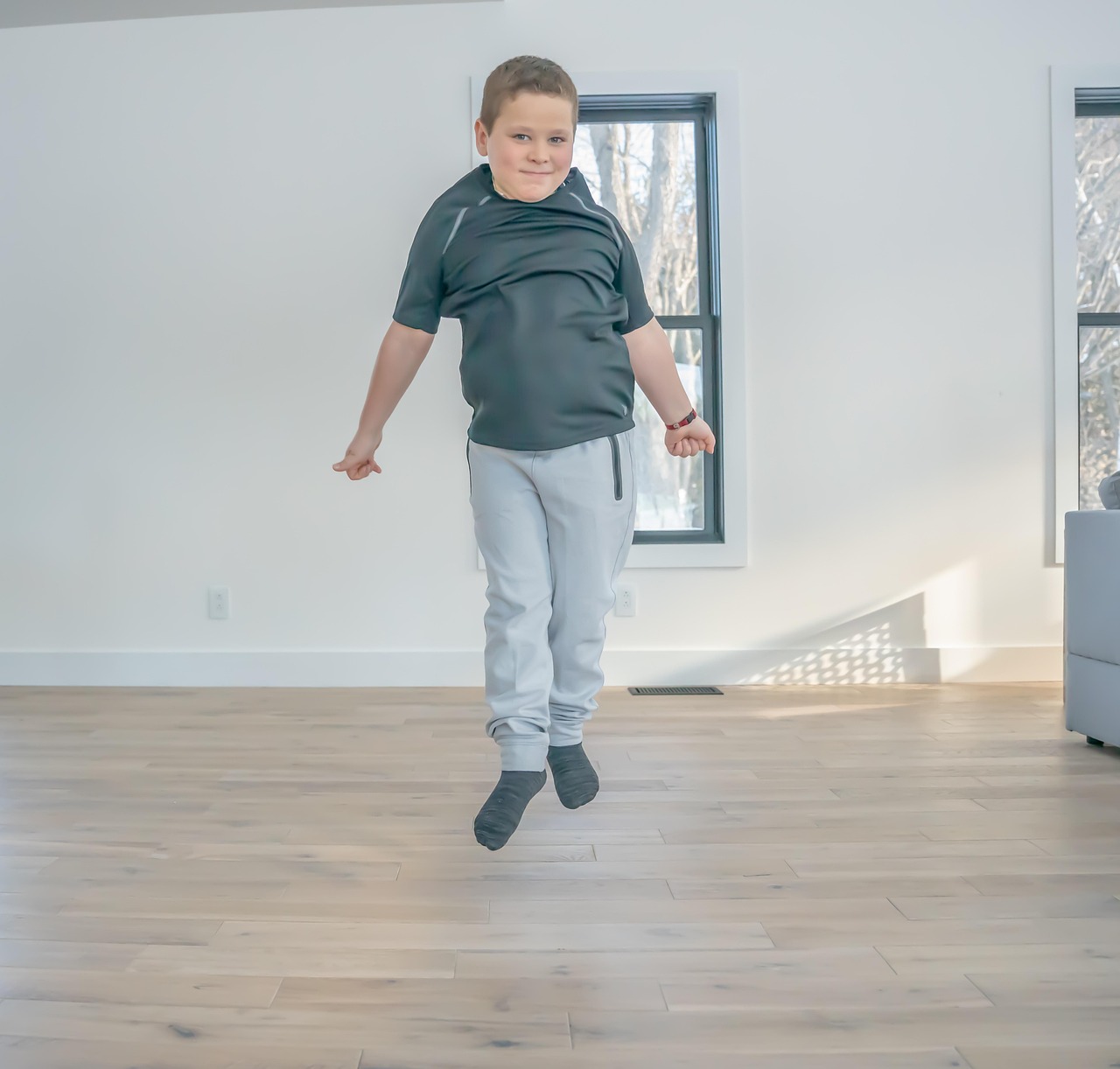

Incorporating Mindfulness and Fitness in Children’s Routines
In today’s fast-paced world, promoting mindfulness along with physical fitness in children’s routines can have significant benefits. Integrating both aspects can create a balanced lifestyle that focuses on mental well-being along with physical health. Engaging children in fitness activities is crucial as it fosters both their body and mind. Additionally, mindfulness practices like meditation can significantly enhance their focus, emotional resilience, and self-awareness. Encouraging children to participate in sports, yoga, or other aerobic activities can not only improve their physical fitness but also allow them to practice being present. Establishing a structured routine that incorporates both fitness and mindfulness will help children develop healthy habits that they can carry into adulthood. Parents and educators are essential in this endeavor, as their support and understanding can motivate kids. Creating a fun environment for activities ensures that children will remain engaged and enthusiastic. Simple mindfulness techniques such as deep breathing or visualization can effectively complement physical workouts. By introducing these methods early, children are more likely to appreciate and sustain these positive routines throughout their lives. Parents should lead by example to instill these values in their children and emphasize their importance.
Benefits of Mindfulness in Children
Incorporating mindfulness techniques into children’s fitness routines can yield numerous benefits. Kids who practice mindfulness are often better able to manage stress and anxiety. They can develop a heightened awareness of their thoughts and feelings, which is crucial during formative years. One of the primary advantages of mindfulness is its contribution to improved concentration. Heightened focus can enhance performance in both academic and physical endeavors by allowing children to engage fully in the moment. Additionally, practicing mindfulness encourages emotional regulation, helping children understand and express their feelings appropriately. Enhanced self-esteem can also result from feeling accomplished when achieving fitness goals, which can further strengthen their mental resilience. Mindfulness supports overall well-being and creates an opportunity for children to develop a deeper connection with their bodies. When combined with fitness, children gain the benefits of physical activity while nurturing their mental health. Educators and parents should seek to introduce fun mindfulness exercises such as guided imagery, breathing techniques, or simple stretches that align with fitness goals. These methods enhance the effectiveness of workouts and instill a long-term appreciation for self-care in children’s routines.
Finding the right balance between physical and mental activities is essential for children to thrive. With a focus on integration rather than separation, routines can be structured to allow for both fitness and mindfulness seamlessly. Begin by introducing a short mindfulness session before more vigorous physical activities. This can help children become more grounded and focused, enhancing their workout experience. For example, a few minutes of deep breathing can set a positive tone for a fun game or sport. Creativity plays a significant role too; consider engaging children with dance, martial arts, or yoga, as these activities naturally incorporate mindfulness into their practice. Encouraging reflection moments post-activity also reinforces the connection between focus and fitness. These moments are opportunities for children to think about how they feel during exercise and practice gratitude. Parents and caregivers should remember to celebrate progress, reinforcing positive behaviors that result from this integration. Creating a supportive atmosphere boosts children’s confidence and motivation to maintain these beneficial routines. Repeating these practices regularly can lead to lifelong habits they cherish and enjoy for years to come.
Creating Fun and Engaging Routines
To foster mindfulness and fitness in children’s routines, creating engaging and fun activities is crucial. Children are naturally curious and energetic, so programmings that harness this can keep them interested. Parents and educators should collaborate to design age-appropriate exercises that intertwine both elements seamlessly. For instance, they might organize a playful game of catch while pausing for moments of mindfulness between rounds. Integrating creative challenges or obstacle courses can also encourage physical skills while maintaining a lighthearted atmosphere. Additionally, utilizing music during fitness sessions can serve to enhance enjoyment, turning exercise into a dance party. Such activities not only create memories but also strengthen social bonds among peers. Incorporating themed days, such as yoga day or nature hike day, can further pique children’s interests. Outdoor adventures provide opportunities to connect with nature, enhancing both mindfulness and physical activity. Simple role-playing games can introduce valuable lessons on mindfulness while encouraging teamwork and cooperation among kids. Parents should continually assess their children’s responses to these activities to gauge their interests and adapt as necessary, ensuring the routines remain engaging and beneficial.
Establishing clear goals can also be beneficial when implementing mindfulness and fitness routines for children. Setting achievable and specific targets instills a sense of purpose and achievement, fostering motivation. These goals can start small, such as completing a simple daily exercise or practicing mindfulness for five minutes each day. As children develop confidence and consistency, gradually increasing these goals can sustain their enthusiasm. Encouraging children to invite friends to join in their fitness and mindfulness routines can enhance social interaction and enjoyment. Parents could consider a family challenge where everyone participates in group workouts or mindfulness practices. This not only models positive behavior but also strengthens family bonds, creating lasting memories. Offering rewards for reaching milestones can further encourage children to remain committed to their routines. Experimenting with different activities can also maintain their interests and excitement. Kids often respond positively to change and novelty, and each new activity serves as a way to keep their fitness and mindfulness approaches fresh. Providing opportunities for children to share their progress with friends or family can also enhance their sense of achievement and further bolster their self-esteem.
Mindfulness Techniques for Kids
Fostering an awareness of mindfulness techniques is essential in helping children develop a balanced routine. Parents can introduce simple and fun techniques that resonate with ages and learning styles. Some helpful practices include the use of visuals, such as guided images, which allow children to explore their minds’ potential creatively. Mindful breathing exercises are also effective, providing a way for kids to slow down and reconnect with their bodies. Encourage them to focus on their breathing, counting each inhale and exhale, which can lead to calming their thoughts. Other techniques might involve using sensory experiences, such as noticing different textures or smells during physical activity or mindful walks. Integrating storytelling can also capture children’s imaginations, transforming fictional journeys into experiential learning moments. By intertwining these techniques into fitness routines, children will learn to form connections between their physical activities and mental awareness. Over time, regular practice in these areas will enable kids to cultivate emotional intelligence and resilience during challenging times. Parents should ensure these activities remain light-hearted and tailored, allowing children to adapt as they grow and explore their interests further.
In conclusion, cultivating mindfulness and fitness routines for children requires creativity, patience, and consistency. Successfully combining both elements fosters a holistic approach to well-being, equipping kids with healthy habits for life. Parents and educators are essential in this process, as their guidance helps children develop mental and physical health awareness. Engaging activities, coupled with mindfulness practices, create enriching experiences that are enjoyable and beneficial. Encouraging a playful atmosphere invites curiosity, reducing the likelihood of resistance to these routines. Introducing small goals and milestones allows children to celebrate achievements, fostering motivation. Ultimately, the goal is to raise a generation that appreciates both physical activity and mental clarity. Families and communities have the opportunity to facilitate these conversations, ensuring wellness is a shared goal. As children embark on their journeys toward mindfulness and fitness, the skills they acquire will empower them throughout their lives. Educators can play a vital role in developing these concepts in formal settings, working alongside parents. Creating and maintaining supportive environments will ensure that children embrace these routines, making them an integral part of their daily lives.