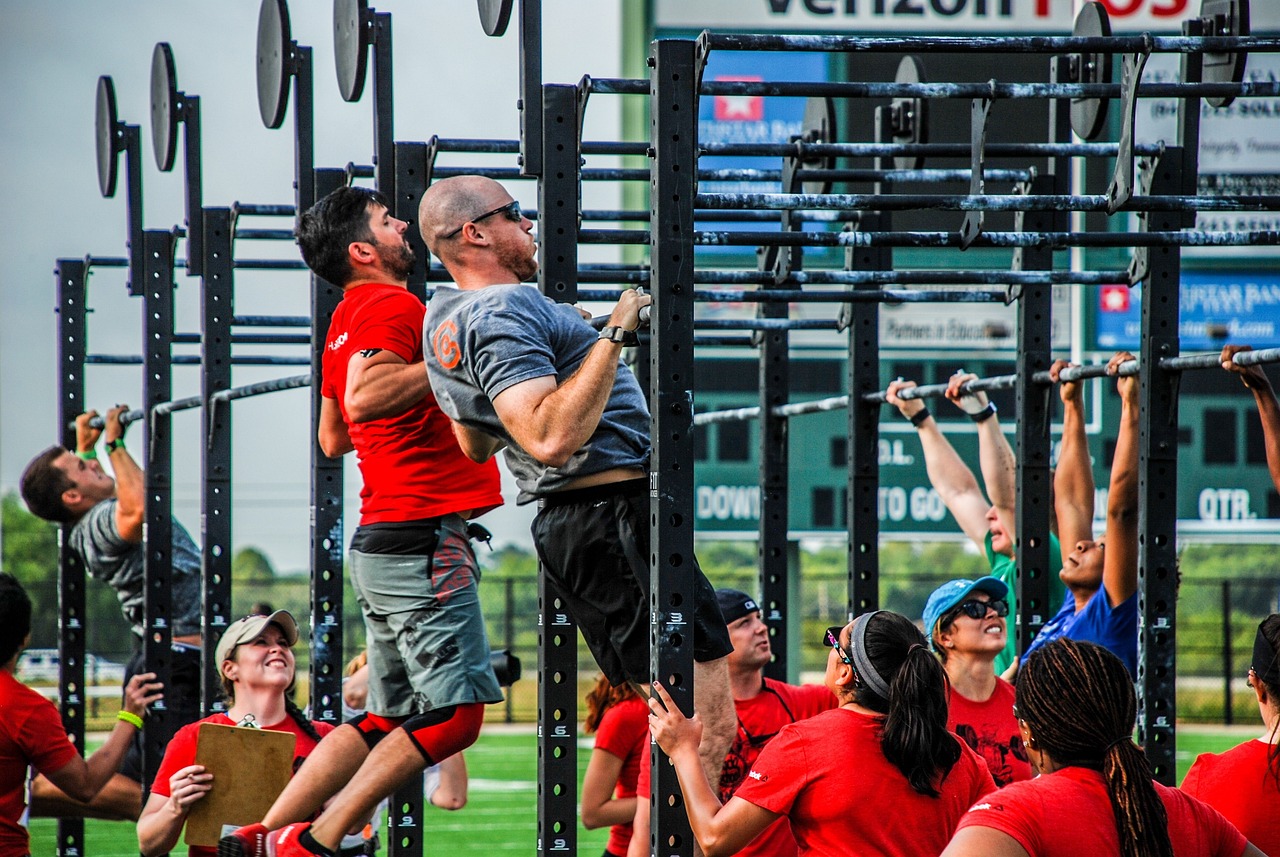

Injury Prevention Strategies for CrossFit and HIIT Athletes
CrossFit and HIIT training programs are intense, demanding physical fitness routines that can lead to injury if not managed properly. Implementing effective injury prevention strategies is essential for both new and experienced athletes. One strategy is ensuring a proper warm-up before workouts. A warm-up increases blood flow to the muscles, enhances flexibility, and prepares the joints for strenuous activities. It’s important to engage in dynamic stretches that mimic the movements planned for the workout. Another strategy is to focus on form and technique during exercises. Proper form ensures that the body is aligned correctly, preventing undue stress on joints and muscles. Athletes should work with coaches or watch instructional videos to learn proper techniques for each movement. CrossFit and HIIT often involve high-repetition movements, which can lead to fatigue and loss of form. Adequate rest and recovery between sessions is crucial. Athletes should prioritize sleep, nutrition, hydration, and possibly active recovery days to support muscle recovery. Lastly, listening to one’s body and respecting pain signals prevents exacerbating injuries. Following these strategies will help minimize injury risk for all dedicated athletes.
A comprehensive approach to injury prevention in CrossFit and HIIT incorporates strength training tailored to individual fitness levels. Strength exercises focus on stabilizing muscles crucial for maintaining proper form during dynamic movements. Building overall strength improves performance and reduces injury likelihood by providing better support for the joints and muscles involved in high-intensity activities. Additionally, cross-training can significantly enhance fitness while reducing the risk of overuse injuries. Participating in different workout styles allows muscles to recover and helps athletes avoid the fatigue associated with repetitive movements. Flexibility training, with activities like yoga or Pilates, can improve the range of motion and aid in quicker muscle recovery. Athletes should also incorporate mobility exercises specifically targeting commonly stressed areas, such as hips and shoulders. Utilizing foam rollers and massage tools also promotes recovery and prevents muscle tightness. A thorough cool-down routine post-workout further facilitates recovery. Static stretches should focus on muscles worked during the session. Maintaining a consistent approach to injury prevention not only benefits physical health but also cultivates a stronger, more resilient athlete, ensuring longevity in the sport.
Nutrition’s Role in Injury Prevention
Nutrition plays a foundational role in an athlete’s recovery and overall health, directly influencing injury prevention in rigorous training regimes like CrossFit and HIIT. Athletes should prioritize a well-balanced diet rich in macronutrients and micronutrients to support their intense activities. Protein is vital for muscle recovery, helping to repair micro-tears sustained during workouts. Aim for lean sources, such as chicken, fish, beans, and legumes. Carbohydrates are equally important, providing the necessary energy for high-intensity workouts. Whole grains, fruits, and vegetables should constitute a significant portion of an athlete’s diet. Additionally, healthy fats, such as those from avocados and nuts, play a role in reducing inflammation and aiding recovery. Hydration cannot be overlooked; athletes must drink adequate water before, during, and after workouts to maintain performance and reduce the risk of injury. Electrolyte drinks may also help when engaging in prolonged intense activities. Lastly, vitamins and minerals like calcium and magnesium support bone health and muscle function. Proper nutrition not only enhances performance but also fortifies the body’s defense against injuries sustained during intense training.
Another essential component of injury prevention in CrossFit and HIIT revolves around mental health and psychological aspects. Stress management techniques significantly contribute to a balanced athletic experience. Athletes can benefit from practices such as mindfulness, meditation, or even yoga sessions to improve their mental state and resilience. A strong mental approach fosters better focus during workouts, reducing the likelihood of distraction-related injuries. Moreover, setting realistic goals is crucial. Athletes should establish achievable milestones while supporting long-term aspirations. This mindful progression allows for a better adaptation to increased workout demands while mitigating injury risk. Coaches and trainers play an essential role in this aspect, providing guidance and encouragement to foster a positive training environment. Furthermore, developing a supportive community can enhance mental wellness, motivating athletes to maintain their commitment to injury prevention practices. Training with others creates camaraderie, sharing of knowledge, and emotional support, all crucial to health and fitness. By addressing the psychological elements of training, athletes can better navigate the physical challenges of their workout routines, leading to enhanced performance and adaptive recovery.
Monitoring Progress and Personalizing Training
To further the cause of injury prevention in CrossFit and HIIT, athletes should actively monitor their progress and modify their training programs accordingly. Implementing a training log helps track workouts, intensity, and physiological responses. Doing so allows athletes and coaches to identify areas needing adjustment. If an athlete experiences consistent discomfort or fatigue, it may indicate excessive volume or inappropriate exercise selection. Making timely modifications reduces the likelihood of injury. Therefore, consulting a qualified strength and conditioning coach can lead to tailored training regimens that promote individual fitness goals while guarding against injury. Additionally, it’s essential to frequently reassess skill levels and strength capabilities. This practice ensures that the workouts adapt as athletes grow stronger and more proficient, enhancing safety and efficacy in training. Furthermore, athletes should be open to incorporating feedback from their body and trainers. Acknowledging when to scale an exercise can significantly reduce injury risk. Listening to feedback allows for adjustments and modifications suited to the athlete’s current state, improving performance safely. A commitment to an individualized approach to training ultimately leads to healthier, more resilient athletes.
One overlooked aspect of injury prevention in CrossFit and HIIT training is the significance of proper footwear and equipment. Quality shoes specifically designed for cross-training provide the necessary support to prevent injuries caused by improper alignment and foot strain. Athletes should invest in shoes with good cushioning and a strong grip to aid in stability during various movements. Additionally, using the proper workout gear, including supportive clothing and accessories, contributes to comfort and performance. Weightlifting belts, wrist wraps, and knee sleeves can provide additional support, particularly during heavy lifting sessions. However, while such equipment can enhance safety, reliance on overly supportive gear can inhibit strength development and proprioceptive skills. Therefore, it’s essential to strike a balance between using support equipment and practicing movements without it. Regularly inspecting exercise equipment for wear and tear is also crucial. Defective or worn-out gear, such as barbells and resistance bands, may pose additional risks. Athletes must maintain vigilance on their equipment’s condition to ensure a safe training environment. Taking these aspects into consideration will fortify injury prevention in a high-intensity training setting.
The Importance of Consistency in Injury Prevention
Finally, a consistent commitment to injury prevention strategies establishes a strong foundation for success in CrossFit and HIIT endeavors. Developing a routine that combines warm-up, strength training, mobility, and nutrition solidifies an athlete’s resilience against potential injuries. Establishing a habit of regular self-assessment helps athletes remain aware of their physical readiness to train. Monitoring this aspect cultivates a culture of self-care and attentiveness to one’s physical state. The incorporation of rest days in a training regiment emphasizes the value of recovery. Many athletes underestimate the necessity of allowing their bodies to heal and recharge, which can lead to overtraining injuries. Furthermore, surrounding oneself with a supportive training environment enhances motivation and adherence to injury prevention strategies. Encouragement from peers and coaches fosters a culture of safety-first while pushing one another to grow physically and mentally. Engaging in preventative measures consistently, whether through nutrition, accountability, or training logs, builds a strong base for longevity in the sport. In conclusion, implementing these strategies diligently enables athletes to excel in CrossFit and HIIT safely.