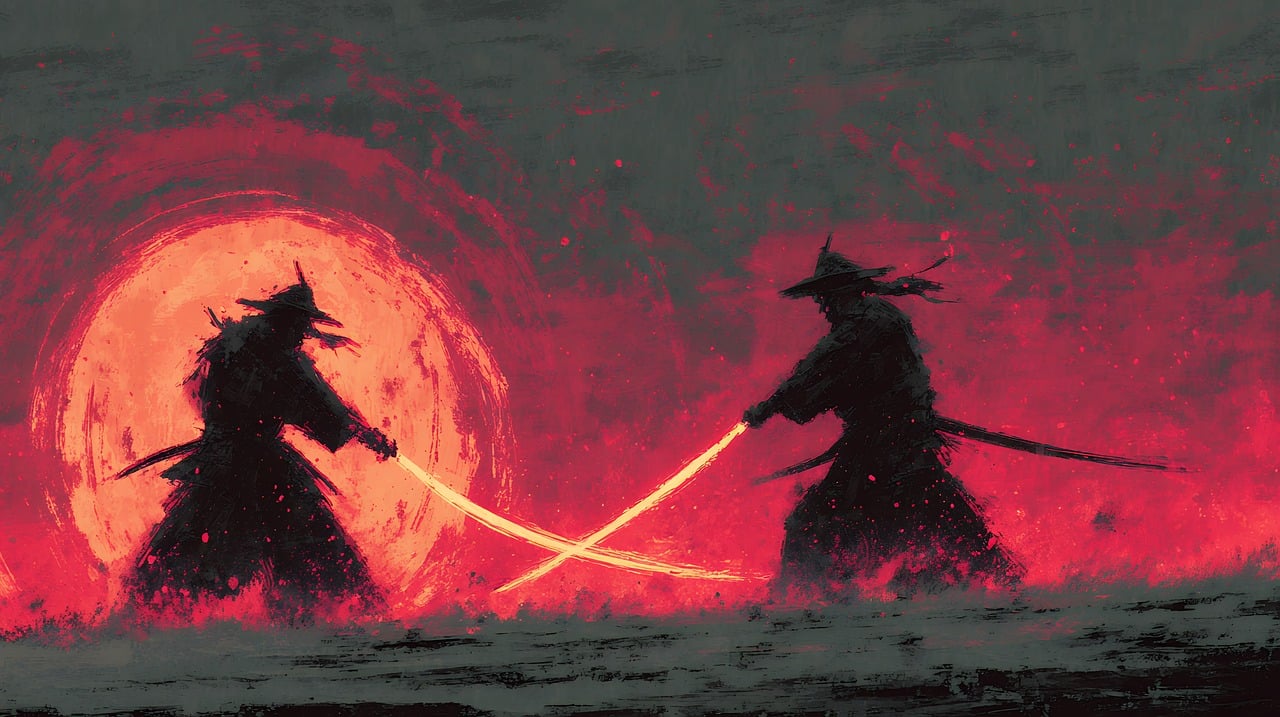

Ancient Martial Arts: A Journey Through History
Martial arts have an extensive and rich history that spans across the globe, from Asia to Europe and beyond. Early forms of combat training can be traced back thousands of years, particularly in regions such as China, Japan, and India. These locations are credited with developing some of the most influential martial arts that we recognize today. Ancient martial arts were often created for practical purposes, such as self-defense or military training. Over time, these systems transformed into respected practices aimed at physical, mental, and spiritual cultivation. Many of these arts have also become integral parts of cultural heritage, demonstrating the values and philosophies of the societies that developed them. Key historical figures, such as the legendary warrior Bodhidharma, have played pivotal roles in the evolution of these disciplines. Consequently, today’s martial arts are a blend of these ancient practices, continuously evolving while preserving the wisdom of their origins. Comprehending this history helps practitioners appreciate their art more deeply, creating a connection to the vast legacy of martial traditions around the world.
One of the earliest known martial arts is Chinese Kung Fu, which can be traced back to around 2600 BCE. This system is rooted in military training, particularly for soldiers and warriors in ancient China. Folk legends often attribute the origins of Kung Fu to the famed Shaolin Temple, where monks developed a unique form of fighting based on animal movements and philosophical principles. Similarly, the art of Taekwondo developed in Korea over centuries, combining various influences into a sophisticated system for self-defense and discipline. The name itself translates to “the way of the foot and fist,” reflecting its core techniques. Meanwhile, in India, the ancient martial art called Kalaripayattu emerged, focusing on agility, weapon techniques, and healing practices. The historical interactions between these diverse cultures led to a rich tapestry of techniques and philosophies that shaped the martial arts we know today. Other noteworthy styles developed in the Far East include Brazilian Jiu-Jitsu and traditional Japanese styles such as Aikido and Kendo, each evolving in their unique directions.
Understanding the historical significance of martial arts also requires recognizing influential ancient texts and manuals that documented these practices. For example, Sun Tzu’s ancient military treatise, “The Art of War,” provides insights into the strategies that were essential for combat during its time. Moreover, the Martial Arts Treaty by the Samurai, known as Bushi no Jutsu, highlights the technical and philosophical aspects of various fighting styles. These texts serve as fundamental references for martial artists even today, preserving the wisdom and strategies developed by our ancestors. During the Middle Ages, particularly in Europe, the development of knightly combat systems showcased the evolution of martial skills among warriors. Historical manuals, such as those by Johannes Liechtenauer and the Gladiatorial Manuscripts, highlight various techniques and weapons used for both sport and warfare. These written works represent a bridge connecting ancient practices with modern martial disciplines, encouraging practitioners to explore a deeper understanding of their art’s value and heritage.
The Role of Traditional Martial Arts
Traditional martial arts have not only shaped fighting techniques but have also significantly impacted cultural identity and community cohesion throughout history. In many societies, martial arts were practiced as rites of passage, exemplifying bravery and skill. For instance, traditional Chinese martial arts are closely tied to Confucian philosophy, emphasizing moral conduct alongside physical training. This philosophical underpinning resonates with practitioners, offering them a framework for personal development. Furthermore, martial arts foster a strong sense of community as students and instructors form bonds through rigorous training and shared experiences. The teachings often extend beyond physical prowess, instilling values such as respect, discipline, and perseverance. In addition, martial arts frequently serve as community events, showcasing local talent and preserving cultural practices. Traditional competitions and demonstrations not only highlight martial skills but also allow for an exchange of culture and tradition, creating a sense of pride and continuity across generations. Modern interpretations of these arts often draw from their traditional roots, blending them with contemporary training methods while keeping the essence of their history intact.
The globalization of martial arts has led to the fusion of traditional practices with urban influences. As martial arts transitioned into the modern era, they became accessible worldwide, adapting to various cultures without losing their core essence. Today, millions practice martial arts, with the most popular styles including Brazilian Jiu-Jitsu, Karate, and Judo. These arts lend themselves to competition and professional sports, further enhancing their appeal to contemporary society. However, this evolution has sparked discussions regarding the commercialization of martial arts and potential risks of losing their original philosophy and purpose. Practitioners and instructors often strive to find a balance between maintaining traditional methods while incorporating new techniques. This dynamic interplay ensures that martial arts continue to be a source of personal growth and self-improvement. Notably, *mixed martial arts* (MMA) has emerged as a dominant force within competitive martial arts, combining elements from multiple disciplines. MMA offers a platform for showcasing diverse skills and philosophies, while simultaneously underscoring the importance of respecting the rich traditions from which these martial arts evolved.
Influence on Modern Self-Defense
Martial arts have made significant contributions to self-defense practices in the modern world, with many systems adopted widespread for personal safety and conflict resolution. Techniques derived from traditional arts have been systematically integrated into self-defense training for civilians, focusing on practical applications in real-life scenarios. For example, Krav Maga—a martial art developed by the Israeli Defense Forces—blends techniques from various disciplines, prioritizing efficiency and effectiveness in personal security. Programs across the globe emphasize situational awareness, de-escalation techniques, and escape strategies, equipping individuals with the tools necessary to protect themselves. Furthermore, the rise of self-defense workshops and classes fosters increased awareness surrounding personal safety, promoting empowerment for all individuals regardless of gender and age. Negative stereotypes regarding certain martial arts have slowly dissipated as modern practitioners celebrate the ethical and humanitarian values ingrained in traditional practices. This evolution reflects how ancient teachings continue to shape the modern landscape of self-defense, encouraging individuals to become more competent and confident in their own abilities while retaining a connection to the rich legacy of martial arts history.
As we look toward the future of martial arts, understanding the historical context remains paramount for preserving the integrity of these ancient practices. Ensuring that traditional techniques and philosophies are retained while also adapting to contemporary requirements will allow martial arts to flourish. The education of younger generations becomes crucial in this aspect, as instructors play a vital role in imparting the values and history of their respective arts. Not only does this preserve the practices, but it strengthens cultural identity through a shared sense of belonging. The technological advancements in communication enhance the chances of connecting martial artists worldwide, promoting collaboration and the sharing of diverse techniques and philosophies. Online platforms and international seminars ensure that martial arts communities continue to thrive, fostering innovation while respecting foundational teachings. This exchange will likely lead to exciting developments in the upcoming years, as we witness martial arts evolve within a global context. Remaining true to the rich legacy and history of ancient martial arts will empower practitioners to navigate future challenges while embracing the core values imparted by their ancestors.
Conclusion
In conclusion, the journey through ancient martial arts reveals a complex narrative woven through centuries, encapsulating wisdom, philosophy, and evolution. Each practice is a reflection of its cultural origins, from the disciplined training of the Samurai in Japan to the fluid movements of Chinese Kung Fu. Sparking creativity, martial arts inspire millions worldwide, uniting diverse practitioners and fostering a sense of community across borders. Understanding the historical significance allows students of martial arts to appreciate their art on a deeper level, guiding flexibility in training that blends traditional methods with contemporary needs. Adapting to the global landscape while respecting established legacies ensures that martial arts remain current, significant, and a vital part of our world. Awareness of the diverse techniques and philosophies ensures a rich, inclusive approach to martial arts. The future also calls for responsibility in how these arts are taught and perceived, promoting safe practices while celebrating cultural heritage, personal growth, and social empowerment. Ultimately, ancient martial arts serve not just as a means of self-defense but as vehicles for understanding history, human connection, and shared growth within our ever-evolving world.