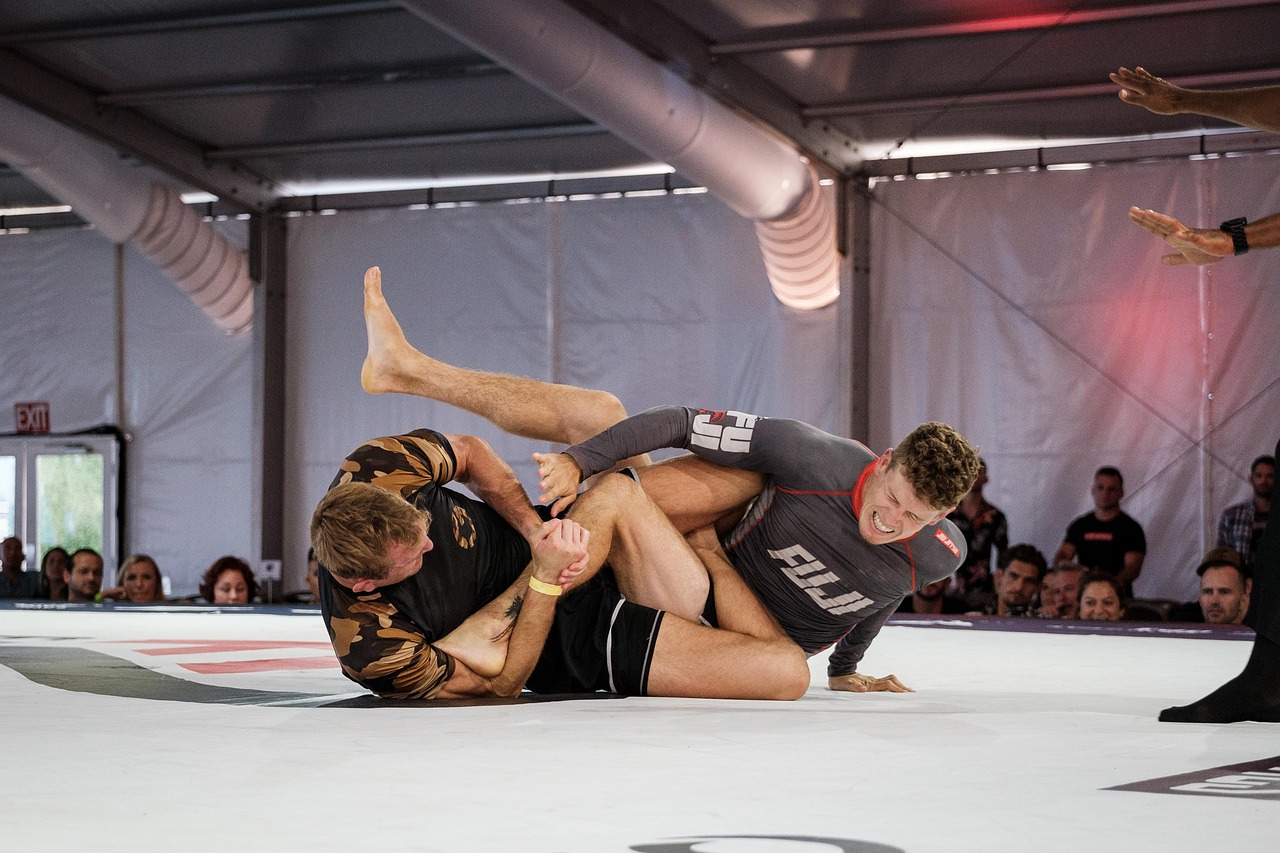

Behind the Scenes: Organizing an International Fitness Competition
Organizing an international fitness competition involves meticulous planning and coordination among diverse teams. This complex process requires careful attention to detail, such as selecting the appropriate venue, ensuring the availability of necessary equipment, and organizing catering logistics. Additionally, obtaining sponsorships and collaborating with various partners play pivotal roles in establishing a significant funding base. Marketing strategies must be developed to build excitement and engage potential participants and spectators. Effective use of social media channels allows for maximum outreach, ensuring that the event reaches a wide audience. Communication is a key pillar throughout this process, ensuring every team member understands their roles and responsibilities. Participants’ registration procedures must also be streamlined for ease of access which includes a user-friendly online system. While every component is essential, working on the event’s schedule helps manage the overall flow during competition day. Overall, the success of an international fitness competition is rooted in solid teamwork, preparation, and adaptability to unforeseen circumstances. Gathering feedback post-event allows organizers to improve future competitions, enhancing both participant and audience experiences.
Understanding the Logistics of Competition
The logistics of organizing an international fitness competition can be daunting and needs to be handled expertly. Key logistical aspects include venue selection, accommodation arrangements for participants and judges, and transportation planning for athletes and equipment. Contract negotiation with suppliers for essentials, such as sports gear and first-aid services, is essential to maintain standards. Solutions must be devised to meet local regulations, including licensing and safety standards, which can vary significantly from region to region. Creating a detailed timeline from the planning stage through the day of the event fosters accountability within teams. Additionally, engaging volunteers can significantly reduce workload and costs while also fostering community involvement. Safety protocols during the event need to be addressed thoroughly to ensure athletes compete in a secure environment. Efficient use of technology, such as live scoring systems and instant replay technology, elevates the event’s credibility. Public relations efforts are vital to cultivating a positive image of the competition. Grasping these logistics greatly influences the outcome of an event and can determine its reputation in the fitness community.
Once all logistical aspects are in place, focusing on the event’s marketing and promotion can enhance visibility. Generating promotional material, including posters, flyers, and social media content, ensures increased awareness among potential participants. Collaborating with fitness influencers and respected athletes can significantly boost visibility. Engaging these personalities creates a buzz around the event while also acting as promotional channels. A well-executed media strategy involving press releases and collaborations with sports blogs helps capture the essence of the competition. This exposure not only attracts participants but also encourages ticket sales for spectators eager to see elite athletes compete. Building excitement online with countdowns and engaging with audience questions fosters a community feeling. Sending regular updates via newsletters keeps interested parties informed, generating sustained excitement. Creating an event website with comprehensive information accessible 24/7 boosts engagement and serves as a central hub for communication. Attracting sponsors and partners is essential for funding the event, and a presentation showcasing the competition’s history and advertising opportunities can be beneficial.”},{
Selection of judges and referees is one of the critical aspects of managing an international fitness competition. Judges should be qualified and have significant experience in judging fitness challenges and competitions, ensuring a fair evaluation of participants. Choosing judges who are respected within the fitness community boosts the credibility of the event. Further, providing clear judging criteria and facilitating a judge’s briefing before the competition day ensures all judges are on the same page. It’s imperative to develop an efficient scoring system that reflects the performance levels accurately and transparently. Communication among judges during the competition aids in addressing any disputes that may arise promptly. Creating a judging panel that includes diverse perspectives can enrich the evaluation process. Athlete safety must remain a priority during judging, requiring training on proper spotting techniques and athlete support by judges during intense routines. Thorough training sessions pre-event prepare judges to tackle challenges effectively. Furthermore, a post-event debrief allows judges to discuss performances and procedures, ensuring continuous improvement and learning for future competitions.
Engaging the Community and Participants
Engaging local communities and participants is a crucial element that helps propel the success of an international fitness competition. Building relationships with local gyms and fitness centers encourages participation, increasing turnout and spectator count. These collaborations can lead to mutual benefits, such as promotional exchanges and community support. Hosting workshops or open houses leading up to the event provides insights into competition specifics, engages participants, and offers opportunities for training. Encouraging participants to share their training experiences online builds excitement and anticipation, fostering a sense of community. Utilizing social media platforms for real-time updates creates an interactive environment. Incorporating local culture into the event, whether through local food vendors or involving local athletes, enhances community interest and pride. Promotional giveaways and contests can further engage participants, enhancing their connection to the event. Utilizing community influencers and leaders in promotion efforts garners additional local support. Ultimately, building meaningful connections fosters a lively and invested community atmosphere surrounding the competition, ensuring a thriving sports environment.
Preparing for unforeseen challenges is vital during the planning process. While extensive planning can mitigate many risks, having contingency strategies in place ensures that organizers are equipped to handle unexpected situations. Whether it be inclement weather, technical difficulties, or low turnout, having alternative plans can make the difference. Establishing clear communication channels across all teams helps facilitate quick response times during crises. Identifying and securing backup venues is crucial, particularly if adverse weather conditions threaten an outdoor event. Moreover, emergency response protocols must be established, including first-aid accessibility and quick evacuations. Organizing practice runs or simulations prior to the event aids in identifying potential pitfalls and allows teams to prepare. Capturing participants’ and spectators’ feedback also establishes a framework of improvement, highlighted in post-event analysis. Evaluating challenges faced during the competition gives insight into areas needing focus for future events. Such analysis includes examining financial performance, audience engagement levels, and overall participant satisfaction. Preparing for the unknown may seem daunting, but investing time in contingency planning ultimately leads to a smoother and more successful event.
Conclusion and Future Steps
As the event concludes, it is crucial to evaluate its success comprehensively. Gathering feedback from participants, spectators, and sponsors provides valuable insights into the overall experience. Organizers can ascertain the strengths and weaknesses of the event by conducting surveys and interviews. Analyzing competition results alongside audience turnout helps paint a broader picture of success. Furthermore, measuring media coverage and social media engagement quantitatively assesses promotional effectiveness. Based on the data collected, future events can be tailored to meet the expectations of the community and participants. Engaging with feedback fosters trust and sets the foundation for continued collaboration in future competitions. Organizers should consider ways to innovate, exploring new partnerships, improved technology, or evolving competition formats. Commitment to continuous improvement resonates well with participants, encouraging them to return for future events. Networking with other competition organizers also fosters the exchange of ideas, challenges, and solutions. Ultimately, a successful international fitness competition hinges on planning, cooperation, community engagement, and a passion for fitness.
The competition’s success is rooted in diligent organization and effective communication among all parties involved. Adaptability plays a crucial role in managing an international fitness competition. These underlying principles ensure that each participant leaves feeling valued and excited for future opportunities. Strong relationships with stakeholders elevate the organization’s reputation within the fitness industry. These relationships, developed over time, foster a robust support network for hosting. Collaboration with local sponsors and brands opens new avenues for financial support, ultimately reinforcing the competition’s integrity. Social media presence amplifies engagement, encouraging conversations among community members and participants alike. Successful competitions often see returning participants, showcasing effective preparation and atmosphere. Additionally, utilizing post-event data creates a roadmap for improvement, assisting future organizers in enhancing competition quality. More than an athletic gathering, each fitness competition reflects hard work, dedication, and community spirit. Comprehensive event management, stakeholder engagement, and adaptability lead to a successful international fitness competition ultimately. Ensuring every aspect is running smoothly contributes to a memorable experience for participants and attendees alike.