
Combining Striking and Grappling for Multiple Attacker Defense
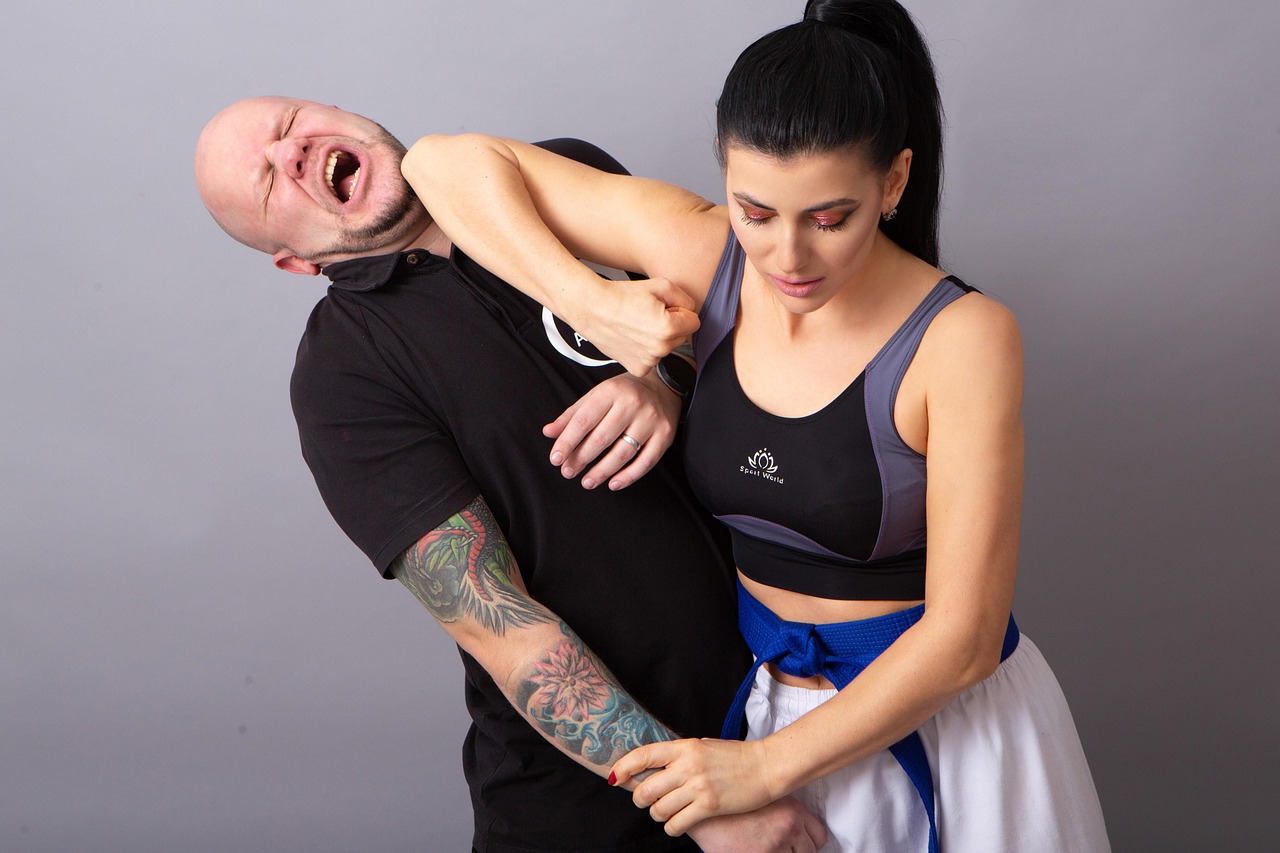
When you find yourself facing multiple attackers, combining striking and grappling comes into play significantly. Striking can create space, while grappling can help control opponents. Understand that situational awareness is key; always assess the distance between yourself and potential threats. Whether it’s a punch, kick, or knee strike, utilize these striking techniques to create distance. The goal is to disrupt their movements and give you a moment to plan your next move. Grappling techniques can be trickier yet highly effective; they allow for control over a singular opponent. This can redirect the focus from several attackers to one, which is critical. Additionally, performing sweeps or throws can lead to destabilizing an attacker, thus creating openings for further striking. This duality not only maximizes your options for defense but also disorients your attackers. Lastly, remember to continuously practice these techniques. Regular drills enhance muscle memory and increase your confidence under pressure. Your training should simulate real-life scenarios as much as possible, ensuring you’re prepared for various situations. Striking and grappling together can give you the upper hand in dire situations.
Defense against multiple attackers involves physical conditioning to maximize effectiveness. Strength and agility training can significantly enhance your response time. Cardiovascular endurance also plays a crucial role, allowing you to maintain energy for an extended period. Engaging in high-intensity interval training (HIIT) is beneficial; it replicates the demands of a real confrontation. The principal aim is to ensure your body can perform techniques without fatigue. Practicing footwork drills enhances your mobility and allows you to evade attacks effectively. Effective evasion is key during confrontations with multiple attackers; utilize lateral movements and quick directional changes. Creating a tactical plan is as beneficial; stratifying your actions can help manage chaotic situations. Consider practicing drills that involve defensive movements against multiple opponents. Additionally, specific self-defense classes focusing on learning both striking and grappling techniques can be invaluable. Instructors can perform scenarios that mimic real-life challenges. Moreover, integrating the use of everyday items in gaining an advantage may be beneficial. Improvised weapons or shields can significantly enhance your defense, making it vital to be aware of your surroundings. Create an adaptable mindset that allows you to think and respond efficiently during unpredictable situations.
Utilizing Environment in Defense
Your surroundings are an essential element in defending against multiple attackers. Recognizing potential tools can offer significant advantages, shifting the tides during an altercation. When faced with danger, quickly identify potential obstacles and advantageous positions. For example, structures like walls can be utilized to shield yourself or corner opponents, limiting their movements. Be aware of uneven terrain; hills, stairs, or even curbs can be utilized to create tactical advantages. Additionally, everyday objects can serve as improvised weapons or shields. For instance, a bag can act as a barrier while throwing objects may cause distractions. Familiarize yourself with potential environmental aids in everyday locations to increase your defensive options. Height advantage is also worth exploring; positioning oneself higher can facilitate better visibility and control over the unfortunate confrontation. Always anticipate your attacker’s directions too. Understanding their movements enables strategic repositioning. A well-prepared defense is often a combination of technique and environmental awareness. Shift your mindset to view your surroundings as potential allies in your defense. The more prepared you are to utilize the elements around you, the higher your chances of escaping a volatile situation unscathed.
Psychological techniques should not be overlooked during self-defense training. Mental fortitude can significantly boost your confidence and resilience when facing multiple attackers. Visualization techniques can help; imagine scenarios where you effectively utilize your skills to defend yourself successfully. Such mental rehearsals can prepare you for real encounters. Further, maintaining a calm demeanor amid chaos can deter attackers; confidence can send out a subtle message that you are not an easy target. Deterrent body language also plays a crucial role; standing tall, making eye contact, and projecting assertiveness can lead potential threats to reconsider their actions. In group dynamics, anticipating the attackers’ next moves is vital; quick judgment aids in staying one step ahead. Developing mindset adaptability is crucial. Techniques can be practiced alongside physical drills, integrating psychological preparedness with physical prowess. Moreover, reflections on prior encounters are beneficial learning experiences; dissecting what worked and what didn’t can lead to improved performance. These reflections aid in uncovering mental barriers that may impede your self-defense. Thus, mental and physical training should co-exist. Together, they construct a comprehensive approach to defense.
Join a Community or Class
Participating in self-defense classes or communities encourages consistent practice and exposure to various techniques. Surrounding yourself with like-minded individuals motivated to learn enables skill progression. You can share experiences and learn from one another in a supportive atmosphere. Peer sparring is an integral part of this practice; engaging with different individuals allows you to experience varied fighting styles. Such exposure increases adaptability when facing unforeseen circumstances. Additionally, experienced instructors often provide valuable insights that can not only speed up your learning process but also improve your techniques. Ensure you choose classes that focus on real-life scenarios whenever possible. These classes should address skills required to handle multiple attackers effectively. Training consistently builds muscle memory, growing a repertoire of effective responses to various situations. Watching or participating in demonstrations can also be beneficial; they highlight self-defense principles in action. Moreover, community support is an excellent motivator. Regular attendance builds accountability. Consider partner drills that emphasize teamwork in self-defense scenarios. This practice not only improves technique but also fosters trust among participants. Engaging with a community can elevate your overall approach toward self-defense by creating shared motivation and enhancing your skills.
Additionally, developing situational awareness is integral to everyday life. Being aware of your surroundings helps identify potential threats before they escalate. Cultivating this awareness begins with actively observing the people and environment around you. Subtle cues such as body language and movements can indicate shifts in a situation. Situational training enhances this awareness; focus on practicing your skills in mixed settings where distractions naturally occur. Drill scenarios where you must navigate through a crowd while identifying potential threats and escapes. These practical exercises enhance your acute responses and effectiveness under pressure. Furthermore, consider varying your routes and daily habits. Predictability may make you a target; change can dissuade potential threats. In public spaces, utilize your peripheral vision to notice who is nearby without directly confronting them. Ultimately, your aim should align with avoiding confrontation while assessing your surroundings continuously. An unexpected altercation often erupts from complacency; thus, maintaining an alert mindset protects against potential threats. Arrive early at locations to observe and analyze dynamics comfortably. Precaution fused with tactics can significantly increase your chances of staying out of trouble in confrontations with multiple assailants.
Conclusion: The Importance of Continued Practice
The synthesis of striking and grappling is critical for effective multiple attacker defense. Nevertheless, continuous practice is imperative to enhance your skills and increase retention. Establish a structured training routine focusing on both techniques; this consistency yields significant benefits over time. In addition, regular assessments of your progress can highlight strengths and weaknesses. This assessment is crucial for ensuring training remains effective and relevant to your self-defense goals. Seek feedback from instructors and peers as they can provide valuable perspectives. Embrace challenges during training where possible; pushing your limits will cultivate resilience and adaptability necessary for real-life altercations. Collaborative practice with diverse partners further promotes flexibility and quick situational reactions. Ensure that your training varies; monotony can lead to stagnation. Alternate between fighting styles, environments, or even group sizes to ignite creativity. Moreover, incorporate simulations of real-life scenarios throughout your training. Engaging multiple perspectives ensures a comprehensive approach and preparedness. As you train, emphasize the need to develop both physical and mental fortitude. In conclusion, defense becomes a comprehensive journey when striking and grappling principles are effectively combined. Embrace the commitment to continual learning for optimal results.
Mastering multiple attacker defense necessitates understanding the balance between knowledge and practice. The techniques of striking and grappling are interconnected and form a versatile toolkit for self-defense. Familiarize yourself with core principles, drills, and strategies discussed in this article; they are foundational for any individual seeking to enhance their self-defense capabilities. Always remember that real-life confrontations can vary widely, necessitating flexibility in your responses. Therefore, seek to maintain a learning mentality throughout your journey. Each encounter and training session provides valuable lessons; reflect on these moments to adapt and evolve. Engage with community resources, both online and offline, to enrich your experience further. Moreover, leverage various formats for learning such as books or videos, which can supplement practical training. Being proactive in your self-defense journey reinforces the mindset that you are in control. It’s not merely about defense; it is about empowering yourself with the knowledge and skills necessary to navigate challenging situations. Embrace these techniques and commit to ongoing practice. With patience and perseverance, the robust combination of striking and grappling techniques will enhance your ability to defend against multiple attackers, ultimately ensuring your safety.