
Improving Hand-Eye Coordination to Boost Brain Power
Hand-eye coordination refers to the ability to synchronize visual input with motor actions, a vital skill for numerous activities. This coordination directly impacts how effectively individuals perform tasks, especially those involving fine motor skills. Engaging in activities that enhance this coordination can lead to significant improvements in cognitive function. For instance, playing sports often requires quick reflexes while keeping an eye on the ball. The better the coordination, the faster players can react, which can improve their strategic thinking and decision-making ability. Various exercises and games focus on improving these skills, allowing individuals to strengthen neural connections in the brain. Research indicates that engaging in activities that promote hand-eye coordination can trigger the development of new pathways in the brain, enhancing overall cognitive ability. These potential benefits make it increasingly essential to incorporate such activities into our daily routines, especially for children and older adults. Moreover, it serves as an enjoyable way to combine physical and mental exercise, making the improvement of coordination a multifaceted goal. In conclusion, focusing on hand-eye coordination is beneficial not only for physical activity but also significantly boosts cognitive function.
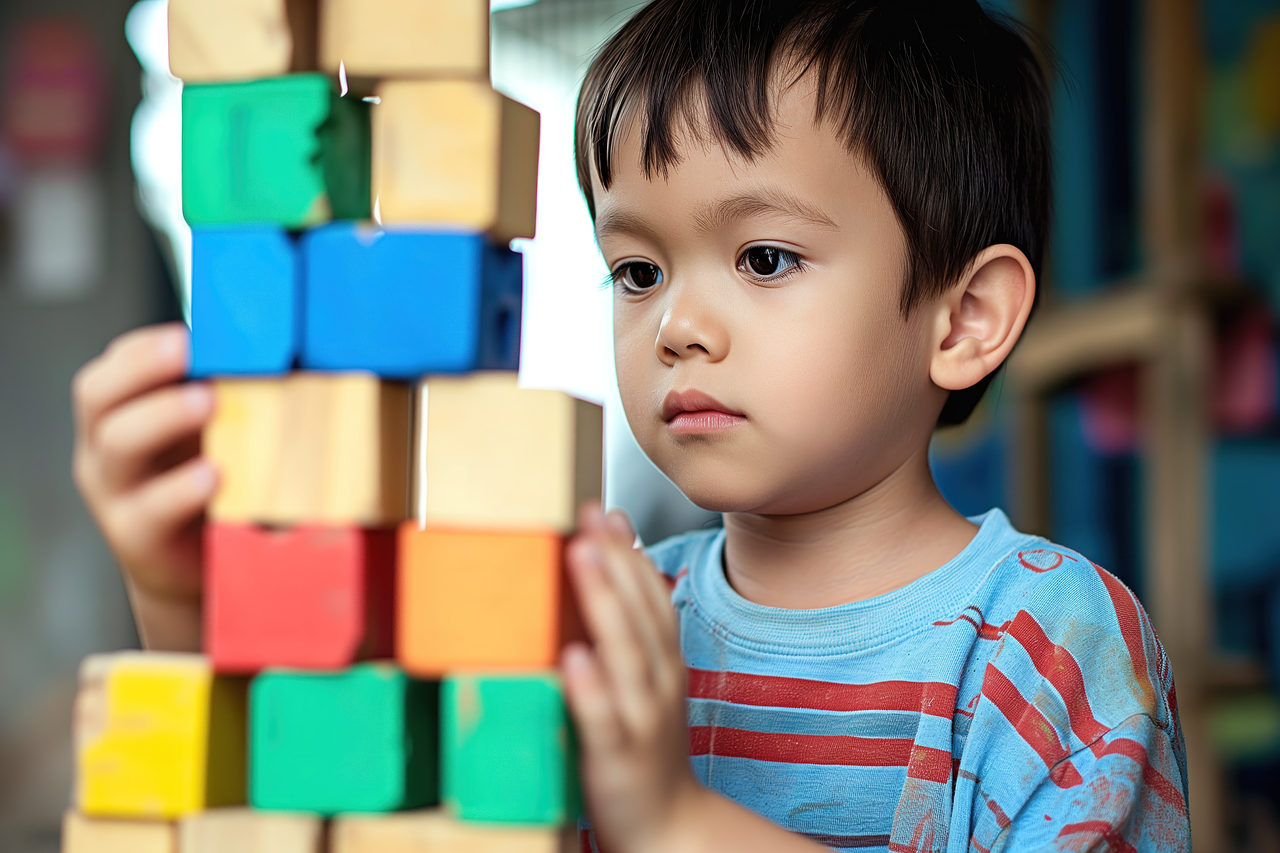
One of the most effective methods to enhance hand-eye coordination is through engaging in specific drills and exercises. These activities encourage the brain to process information more rapidly while also helping to practice coordination. Simple drills can include tossing a ball against a wall and catching it or playing catch with a friend. Video games, particularly those that require timing and precision, also contribute positively to hand-eye coordination development. Research shows that gamers generally display better coordination than non-gamers due to the fast-paced nature of gameplay. As a bonus, these experiences challenge cognitive function, leading to improved focus and multitasking abilities. The inclusion of variety in the activities ensures that the individual remains engaged and motivated. Another way to improve these skills is through artistic pursuits such as drawing or playing a musical instrument. Engaging in these activities cultivates fine motor skills while enhancing visual tracking abilities. Overall, hand-eye coordination improvement often results in increased hand dexterity and cognitive agility, making it a beneficial practice for people of all ages seeking to advance their skills. It is best to incorporate these exercises into regular training for optimal results.
Benefits of Enhanced Coordination
Improving hand-eye coordination yields numerous benefits, extending far beyond mere physical capability. Individuals can notice enhancements in their daily activities, where better coordination leads to increased efficacy. For students, improved hand-eye coordination can contribute to better handwriting and an enhanced capacity to follow along in class. Athletes benefit similarly, enjoying not only improved performance on the field or court but also reduced chances of injury when they become more adept at control. Additionally, enhancing coordination can lead to better balance, further contributing to overall physical health. Cognitive performance also sees a boost, with studies indicating improvements in memory retention and concentration levels associated with regular coordination-focused training. Engaging in these activities can also have positive effects on brain health for older adults. As cognitive functions begin to decline with age, participating in hand-eye coordination exercises helps combat this deterioration, potentially lowering the risks associated with dementia. Therefore, investing time in coordination-related activities empowers individuals with improved academic and athletic performance while simultaneously enriching cognitive faculties. This creates a holistic approach to health and well-being both physically and mentally.
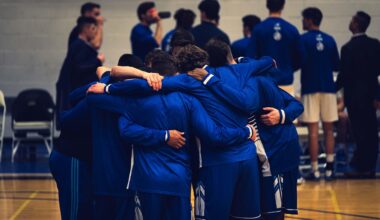
There are many enjoyable activities one can undertake to improve hand-eye coordination. Participating in sports, such as basketball, soccer, or tennis, inherently requires good coordination, offering a fun way to enhance skills while being physically active. In addition, outdoor games such as frisbee or playing catch provide quick reflex stimulation, requiring participants to track moving objects and respond promptly. Individual activities, including martial arts, can also be beneficial as they teach control and precision in movements. Engaging in creative hobbies can promote hand-eye coordination as well; for instance, art projects involving painting, drawing, or crafting require focused hand control and visual attention. Learning to play an instrument also supports these skills; musicians must coordinate their hand movements with what they see as they read music and play. Even simple daily exercises such as throwing a ball against a wall, juggling, or balancing objects can help improve coordination. The key is consistency and variety in these activities to ensure ongoing engagement and progress. Finding enjoyment in the process makes it easier to commit to regular practice and allows for sustained improvement in both coordination and cognitive abilities.
The Role of Training in Coordination
To effectively improve hand-eye coordination, structured training programs can be highly beneficial. Such programs include specific drills and warm-up exercises aimed at refining skills. Traditional strength training works towards enhancing muscle function and physical fitness. However, adding precise coordination-focused activities ensures a comprehensive approach to fitness that also emphasizes cognitive development. This multi-layered training can involve using tools such as balance boards or coordination ladders and games that emphasize eye-tracking and timing. Including challenges such as timed tasks or competing against friends can create a fun environment that encourages practice. Setting goals to achieve can also provide motivation and a sense of accomplishment. Moreover, tracking progress in these areas often leads to increased confidence and emphasizes the connection between physical abilities and cognitive advancements. Increasing the difficulty of exercises over time maintains engagement while providing progressive challenges. It’s essential to tailor the training to the individual’s needs and current abilities for optimal success. This focus on structured training within a supportive environment enhances both physical and cognitive development outcomes effectively.
Supplementing coordination exercises with nutrition can further bolster improvements in cognitive function and coordination. A balanced diet rich in brain-boosting nutrients contributes significantly to cognitive health, ultimately enhancing performance in coordination exercises. Foods high in antioxidants, healthy fats, and vitamins support brain function, optimizing memory and concentration abilities. Consuming omega-3 fatty acids found in fish, chia seeds, and walnuts is particularly beneficial for brain health. Eating a diverse range of fruits and vegetables ensures an adequate intake of essential vitamins and minerals needed for overall well-being. Additionally, staying hydrated is crucial, as even mild dehydration can negatively affect cognitive performance and coordination abilities. Limiting processed foods and sugar intake can prevent energy crashes, promoting steadier energy levels throughout the day. Taking care of one’s nutritional needs supports persistent engagement in coordination-focused activities, ensuring that the brain and body are equally prepared for improvement. Therefore, individuals should be mindful of their diets alongside physical training to achieve the best outcomes. Focusing on a comprehensive approach that incorporates nutrition proves helpful in enhancing cognitive abilities as one develops their hand-eye coordination.
Conclusion: A Holistic Approach
In conclusion, improving hand-eye coordination is not simply about developing a single physical skill; it’s a pathway to overall cognitive enhancement. By actively participating in activities that build this coordination, individuals can enjoy a range of health benefits, from improved athletic performance to enhanced cognitive abilities. Structured training, varied exercises, and nutritional support come together to create a holistic approach in advancing both physical and mental capacities. As people engage in these practices consistently, they begin to notice marked improvements in their daily activities, paying dividends in ways both expected and unexpected. Whether it’s achieving a personal best in sports or simply enjoying a more active lifestyle, the pursuit of better coordination aligns with a broader focus on cognitive health. Furthermore, as aging populations strive to maintain cognitive function, the integration of coordination exercises into their routines becomes paramount. The numerous advantages presented by cultivating these skills reinforce the need for ongoing attention to both physical and cognitive development. Therefore, developing hand-eye coordination serves as a vital tool for enhancing brain power and achieving a healthier lifestyle.