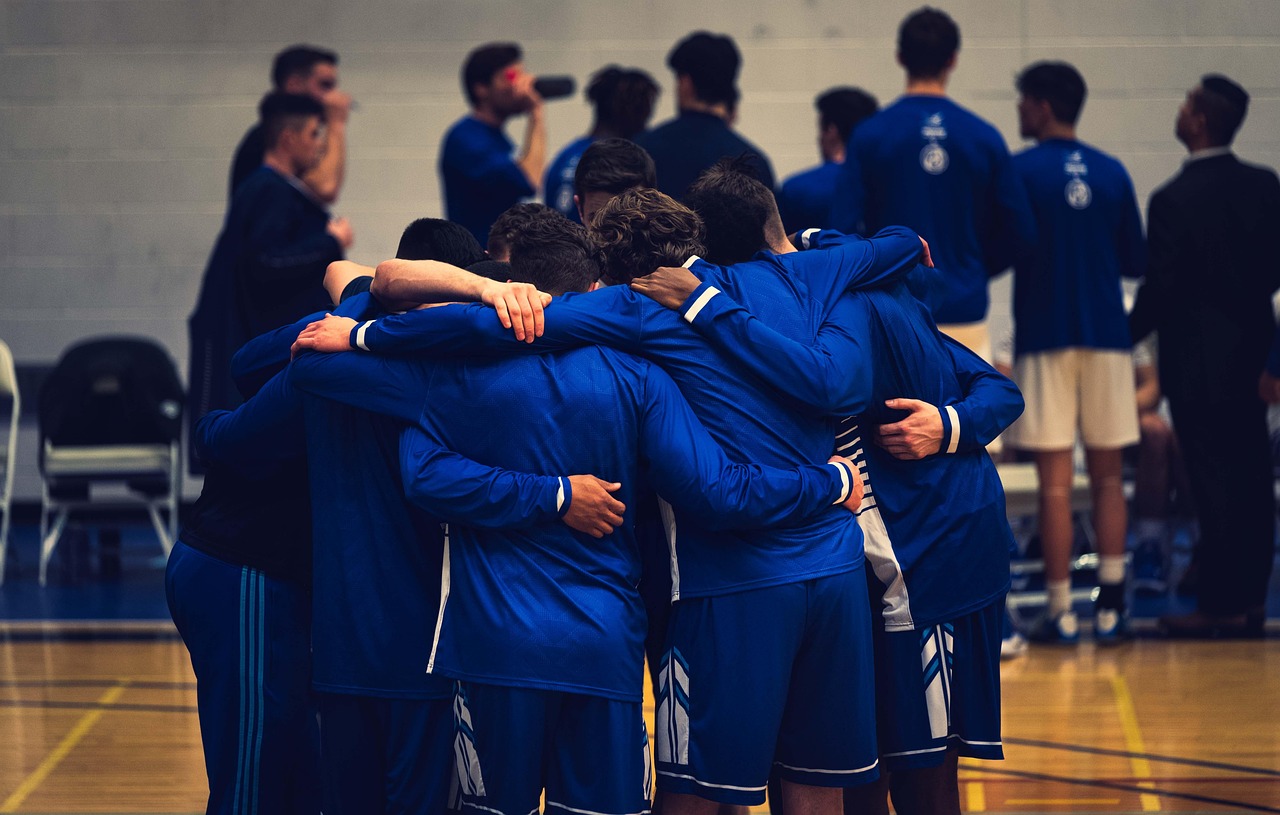

Incorporating Trust-Building Drills in Basketball Practice
Trust is an essential element in teamwork, particularly in basketball. Given the fast-paced nature of the sport, players often must rely on one another both on and off the court. Incorporating trust-building drills into basketball practice can significantly enhance team cohesion. These drills not only develop trust among players but also create a sense of belonging that can lead to improved performance. One effective method is using partner blindfolded drills. In these exercises, players guide each other through various movements while blindfolded, emphasizing clear communication and trust. Another beneficial exercise involves creating scenarios where players must depend on each other to solve challenges or successfully achieve a goal during practice. By implementing these activities regularly, teams can strengthen their bond and improve overall effectiveness in games. Trust-building drills can help alleviate concerns and anxieties among players, leading to a more unified and confident team. Ultimately, trust is vital in basketball, fostering a supportive environment for players to excel. By investing the time in these exercises, coaches and teams can facilitate profound growth and success, both individually and collectively.
Essential Trust-Building Exercises
One crucial exercise for developing trust in basketball teams is the “trust fall” drill. In this drill, players take turns falling backward while their teammates catch them, reinforcing the idea of reliance on one another. This activity encourages vulnerability, which is critical for building trust. Another impactful exercise is the “human knot” drill, which involves players standing in a circle and interlocking their arms with others. The goal is to untangle without letting go of each other’s hands. This drill requires communication, patience, and coordination, thus simulating the complexities involved in game situations. Adding breathing techniques can further enhance trust, creating a calm environment where players feel secure in expressing themselves. Additionally, using positive reinforcement during these exercises can greatly enhance the experience; encouraging words before, during, and after a drill significantly boost confidence levels among players. Inculcating these team-building exercises into regular practice schedules does not just enhance trust; they also encourage players to communicate, collaborate, and develop a stronger understanding, pairing camaraderie with athletic ability. Trust is more than a concept; it’s established through engaging activities like these.
Teamwork is the foundation of basketball, and trust-building drills are crucial for enhancing this collaboration. These exercises can be divided into several types, including communication drills, physical activities, and problem-solving challenges. Communication drills focus on verbal and non-verbal cues, helping teammates to relate without reliance on prior experiences. Physical trust exercises improve players’ reliance on each other during gameplay, while problem-solving challenges stimulate critical thinking and adaptability on the court. Players learn to connect both verbally and physically, which is applicable in real-game situations. Having coaches facilitate these drills can further demonstrate the importance of communication and trust. Developing trust among teammates ultimately leads to improved performance, as players feel confident in each other while executing game strategies. Regularly scheduled trust-building activities allow players to bond outside of their roles on the court, creating mutual respect among team members. Such exercises cultivate a positive team culture, fostering unity and encouraging athletes to work collaboratively. Trust-boosting activities serve as an opportunity for personal growth, enabling players to thrive both individually and as a cohesive unit. Thus, incorporating them into team training is pivotal to long-term success.
Measuring the Impact of Trust
Understanding how trust-building drills influence team performance is vital for coaches. After incorporating trust-building exercises into practice sessions, coaches should closely monitor changes in team dynamics, behaviors, and performance outcomes. An effective way to assess this is through surveys and discussions. Players can provide valuable feedback on their sense of trust and confidence within the team. Coaches can analyze performance metrics, such as successful plays and teamwork execution, to evaluate the effectiveness of these drills. Observing how the team interacts during both practice and games reveals the practical implementation of trust grown through drills. The goal is to create an environment where players openly communicate and persistently support one another. Reviewing these metrics regularly allows teams to identify areas needing improvement, which fosters growth. With consistent commitment to trust-building practices, performance improvement becomes tangible and measurable. Creating a trusting environment also enhances resilience; as players overcome challenges together, they become better prepared for high-pressure scenarios in actual games. Establishing a reliable framework of trust leads to long-lasting success, providing teams with tools to thrive in competitive sports environments.
Trust-building drills should also be enjoyable to engage players effectively while encouraging teamwork. Fun and engaging activities enhance team morale, which aids in breaking down barriers. Incorporating elements of competition, lightheartedness, and creativity can make these trust exercises enjoyable. Games like “capture the flag” can promote strategic cooperation while players learn to rely on one another’s strengths. Additionally, outdoor trust exercises can infuse a fresh perspective, making practice less monotonous. Regularly changing trust-building activities keeps players excited about participation and anticipates team gatherings, fostering a positive environment. Coaches must emphasize the importance of both fun and functionality when conducting trust-building drills. Celebrating small successes leads to a positive atmosphere, strengthening relationships among teammates. Encouraging playful interactions generates memories that enhance team bonding beyond on-court accomplishments. As relationships strengthen, players become more willing to communicate openly and efficiently during games. This creates a feedback loop where trust continually transforms into performance enhancement. For trust-building drills to be effective, they must blend learning with enjoyment while facilitating stronger player connections. Establishing a balance between competitive spirit and fellowship leads to an overall sense of accomplishment.
Long-Term Benefits of Trust
The long-term benefits of consistent trust-building drills extend beyond mere performance improvements. Establishing a foundation of trust can lead to a positive team culture, characterized by mutual respect and open communication. Such a culture allows players to address conflicts constructively, ultimately fostering resilience and adaptability. Over time, the trust developed through these exercises can also contribute to retention rates among players, as they feel more invested in the team. Players who share strong bonds are less likely to leave, promoting stability and consistency. Moreover, trust can significantly influence morale; teams with a solid trusting environment tend to exhibit fewer instances of toxic behavior or misunderstandings. Players become more willing to share feedback and hold each other accountable, leading to personal growth and improved individual skills. The impact of trust radiates beyond performance metrics, starting a cycle of continuous improvement based on mutual support. With elevated self-esteem, players perform better and contribute positively to overall team dynamics. Hence, fostering trust within a basketball team is critical for creating an environment where everyone can thrive, both personally and collectively.
In summary, incorporating trust-building drills within basketball practice offers myriad benefits for teams aimed at enhancing unity and overall performance. By engaging in these activities, players can forge meaningful connections, creating a safe space for team members to express themselves. Designing a regular schedule of trust exercises ensures players have consistent opportunities to develop these essential skills. Factors such as communication, dependency, and enjoyment all play considerable roles in the effective implementation of trust drills. Coaches can measure the impact of these exercises through performance analysis, player feedback, and observation. The long-term benefits are profound, contributing significantly to team retention rates, individual skill improvement, and fostered camaraderie. Ultimately, a trusting environment assists players in navigating competitive landscapes together, increasing the likelihood of success on and off the court. Investing in trust-building not only pays dividends in terms of performance but cultivates a resilient team culture. As teams embrace these practices, they welcome an enriching journey of growth, equipping them to face challenges while celebrating triumphs together. Trust is the glue that binds teams, making it an indispensable part of their development and success.
By amalgamating trust-building drills into basketball training sessions, teams can turn their dreams of teamwork into reality. Learning to trust one another creates an empowering sense of unity that propels players toward shared goals and achievements. Developing structured, enjoyable activities geared toward establishing trust isn’t merely a luxury, but a necessity. This approach ensures that players not only enjoy their training but also grow together. The focus should always remain on enhancing communication, encouraging vulnerabilities, fostering collaboration, and dealing with challenges as a cohesive unit. The enhancement of team trust will undoubtedly lead to improved performances, better player relationships, and a more successful sporting experience overall. Trust truly transforms not just the gameplay but also the people involved. Therefore, establishing a routine of incorporating trust-building exercises is fundamentally aligned with the core values of basketball teamwork. Coaches and players alike must find innovative ways to explore trust dynamics within the team. As players develop both individually and collectively, they will consistently manifest trust, providing a strong foundation for remarkable performances.