
Nutrition Essentials for Women in Bodybuilding
Bodybuilding is an intensive sport that demands proper nutrition, especially for women. A well-structured diet can make a significant difference in building muscle, enhancing performance, and ensuring overall health. Every woman should understand the importance of a balanced diet rich in essential nutrients tailored to their unique needs. Macronutrients play a vital role in fueling workouts and aiding recovery. This includes proteins, carbohydrates, and fats, each serving distinct functions. Women engaged in bodybuilding should consume higher protein levels to support muscle repair and growth. Carbohydrates are crucial for energy during workouts, while healthy fats help with hormone regulation. Moreover, micronutrients, including vitamins and minerals, shouldn’t be neglected as they play a role in recovery and immunity. Women may consider supplements if they struggle to meet their nutritional needs through food alone. It’s beneficial to consult a registered dietitian or nutritionist specializing in sports nutrition to tailor dietary choices. Listening to one’s body and adjusting caloric intake around training schedules can lead to optimal results. Hydration is equally essential, affecting workout performance and recovery times.
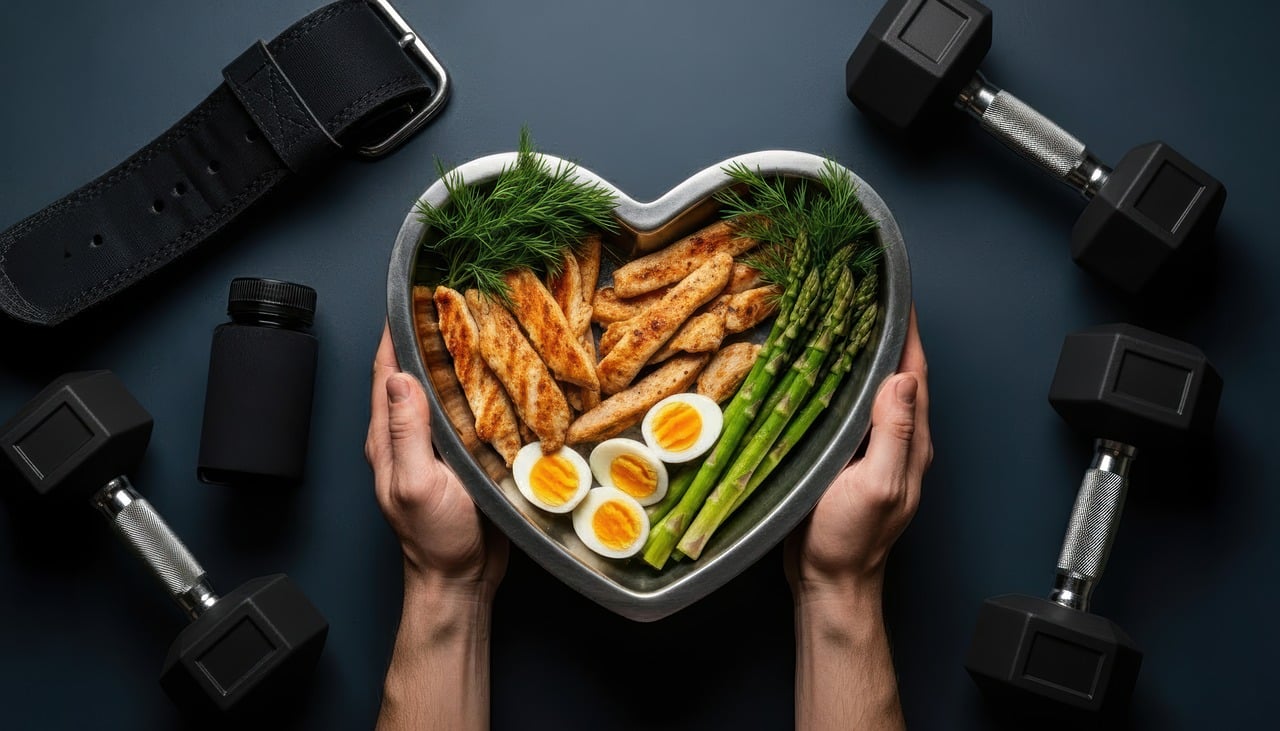
A common misconception in bodybuilding is the idea that women should consume significantly fewer calories than they actually need. This could hinder progress, as it may lead to muscle loss instead of muscle gain. A well-balanced diet should include an adequate calorie surplus with a focus on nutrient-dense foods. Women can benefit from incorporating lean protein sources like chicken, fish, dairy, beans, and legumes into their meals. It’s equally vital to integrate whole grains, fruits, and vegetables for both carbohydrates and fiber. Carbohydrates not only provide energy but also assist in post-workout recovery by replenishing glycogen stores. Additionally, healthy fats from avocados, nuts, and olive oil can support overall health and promote hormonal balance. Meal timing is critical, as consuming the right nutrients before and after workouts can maximize performance. Pre-workout meals should center around easily digestible carbs and protein, while post-workout should emphasize protein to promote recovery. Tracking food intake through apps can help women adhere to their nutritional goals. Emphasizing whole foods over processed options ensures that women receive the necessary vitamins and minerals for their bodybuilding ambitions.
Understanding Macronutrients
When it comes to bodybuilding, understanding the roles of macronutrients is crucial. Protein is particularly important for women in bodybuilding, as it builds and repairs muscle tissues. Aim for approximately 1.6 to 2.2 grams of protein per kilogram of body weight daily. Great sources include lean meats, fish, eggs, and plant-based proteins like tofu and tempeh. Carbohydrates are the primary energy source, crucial for fueling intense workouts. Emphasizing complex carbs from whole grains, fruits, and vegetables can provide sustained energy. Around 45-65% of total daily calories should come from carbohydrates, depending on individual workout intensity. Healthy fats, while often underestimated, play a significant role in overall hormonal balance and should not be ignored. Including approximately 20-35% of total caloric intake from healthy fats, like nuts, seeds, and avocado, is optimal. This not only supports energy but also enhances satiety. Recognize that each person’s macronutrient needs may differ based on factors like age, weight, and workout intensity. Tailoring macronutrient ratios will support individual health and bodybuilding goals effectively.
Hydration significantly impacts bodybuilding performance and recovery, particularly for women. During intense workouts, dehydration can lead to decreased strength and endurance levels. Thus, establishing a hydration strategy is essential. Ideally, women should aim for at least 2.7 liters of water per day, though this may vary based on activity level and climate. An adequate intake improves muscle function and recovery, preventing fatigue. Consider incorporating electrolyte-rich beverages, especially after long or intense sessions, to replenish lost fluids. It’s also helpful to listen to your body; drinking water regularly and paying attention to thirst signals is vital. During workouts, drinking small amounts every 15-20 minutes may be beneficial. Utilizing apps to monitor fluid intake can ensure optimal hydration. Women should be mindful of the signs of dehydration, which include fatigue, headache, and decreased performance. Ensuring hydration can positively impact performance and overall well-being. Additionally, consuming water-rich foods such as fruits and vegetables can further aid in hydration. Meticulously managing hydration can significantly enhance muscle recovery and workout performance, leading to better results in bodybuilding endeavors.
Supplements for Women Bodybuilders
Considering supplementation can be essential for women pursuing bodybuilding, given dietary constraints and nutrient deficiencies. However, it’s crucial to approach supplements cautiously. Firstly, a whole-food diet should always be the priority. If specific nutrient needs aren’t met through food, supplementation can be considered. Common supplements beneficial for women in bodybuilding include protein powders, creatine, and branched-chain amino acids (BCAAs). Protein powders can assist with meeting daily protein goals conveniently. Creatine is another popular supplement, enhancing strength, performance, and muscle growth. BCAAs can help with muscle recovery and soreness post-workouts. Women should consult a healthcare professional before starting any supplementation to ensure safety and effectiveness. Quality of supplements matters significantly; choosing reputable brands with third-party testing can help avoid inefficacy. Reading reviews and doing thorough research on products before investing can be worthwhile. Individual goals, such as weight loss or muscle gain, can dictate which supplements are most suitable. Women must remember supplementation is just that—an addition to a well-rounded diet, not a replacement for it. A balanced approach can lead to the best results in bodybuilding.
Meal planning is a vital aspect for women serious about bodybuilding, promoting a structured approach to nutrition. Creating a weekly meal plan helps ensure all macronutrient and micronutrient needs are met consistently. Meal prepping can save time and reduce impulsive eating choices, allowing women to track their intake effectively. Start by establishing the week’s goals, such as calorie intake and protein targets, to help guide meal choices. Preparing meals in advance in bulk makes it easier to grab healthy options instead of resorting to less healthy fast food. Additionally, selecting easy-to-prepare recipes helps streamline the meal preparation process. Women can include a variety of different cuisines to keep meals interesting and flavorful, reducing the feeling of monotony in their diets. Alternatively, consider investing in a meal delivery service to aid with portion control and nutritional balance when time is limited. Don’t forget about snacks, as maintaining energy levels between meals can be crucial for optimal performance. Healthy snacks like Greek yogurt or mixed nuts can be beneficial additions, ensuring women stay on track during busy days.
Listening to Your Body
Understanding and listening to one’s body is vital for any woman involved in bodybuilding. Each woman’s body reacts differently to dietary changes and workouts, making personal awareness essential. Women should keep a food journal to track their meals, workouts, and how they feel afterward. Notes on energy levels, muscle soreness, or overall well-being can provide insights into what works and what doesn’t. Regular reflections can help in adjusting diets based on experiences, enhancing effectiveness. Fueling the body with the right nutrients before workouts can lead to improved performance, while proper recovery methods afterward can optimize results. Experimentation with timing, portion sizes, and food compositions can illuminate personal preferences and effective strategies. Additionally, staying attuned to hunger cues can prevent overeating or undereating. Finding the right balance between discipline and flexibility in nutrition is key. Rest days are essential as well; women must prioritize recovery and ensure the body has time to heal and rebuild. By nurturing a supportive relationship with food and training, women can create a sustainable bodybuilding path that honors their individual journey.