
Step-by-Step Guide to Perfecting Your Float Serve Technique
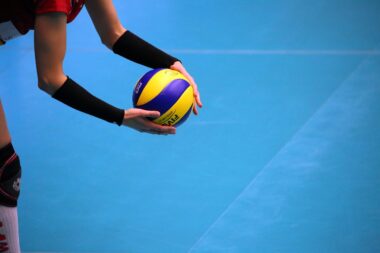
The float serve is a vital skill in volleyball, essential for disrupting your opponent’s reception. Mastering this serve requires meticulous focus on body mechanics, timing, and technique. A proper stance is crucial; begin by positioning your feet shoulder-width apart, promoting balance. As you prepare to serve, engage your core and shift your weight to your back leg to generate power. As you transition, focus on your tossing hand; elevate it smoothly, releasing the ball at the apex for optimal height. This serves to maximize your accuracy and trajectory. Furthermore, keep your non-dominant hand steady to aim precisely. Practice controlling your toss consistently, as this directly affects your serve’s effectiveness. Maintaining a relaxed posture is key; tension can adversely affect your execution. Moreover, visualize your target while serving to enhance concentration. Remember that the float serve thrives on unpredictability; focus on varying your speed and angle to leave opponents guessing. Incorporating drills into your routine will bolster your proficiency in the float serve technique.
Drills to Enhance Your Float Serve
To strengthen your float serve, implementing specific drills is essential. One effective drill is the “Target Practice,” where you set up targets on the opposite side of the net. Utilize a volleyball and challenge yourself to hit the targets with precision consistently. This will enhance focus, accuracy, and control. Another beneficial drill is to practice your toss periodically; have a partner raise their hand at different heights to simulate various reception scenarios. Additionally, the “Partner Serve” drill allows you to serve back and forth with a partner, fostering peer feedback. You could also try serving to a wall, observing how your ball behaves after impact, and adjusting accordingly. This will provide immediate visual feedback for adjustments you need to make. Recording your serve attempts on video can also be insightful; review them to identify areas for improvement. Lastly, consider incorporating a variety of serves in training sessions to keep these skills sharp during games. Diversifying your repertoire will make you a more formidable opponent on the court.
Common Mistakes When Performing a Float Serve
Even seasoned players can fall into traps that hinder their float serve effectiveness. One common mistake is neglecting the toss; if your toss is inconsistent, your serve will likely suffer in accuracy and depth. It’s essential to find your perfect toss height during practice. Maintaining a stiff arm during the hit can alter the serve’s motion negatively; focus on a relaxed wrist to enhance spin and trajectory. Another frequent issue is improper weight transfer; players often forget to shift their weight correctly from the back to the front leg, minimizing power. Moreover, some players tend to over-swing when serving, leading to a loss of control. Instead, focus on fluid, controlled movements for greater precision. Additionally, not tracking the ball post-serve can hinder your ability to analyze and adapt your technique. After each serve, reflect on what went well and what needs adjustment. To counter these common mistakes, consider engaging with a coach or using training aids that encourage proper technique.
Physical Conditioning for Effective Serving
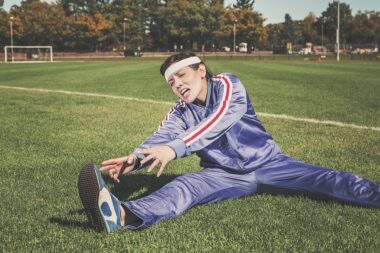
To excel at float serving, physical conditioning plays a crucial role in developing strength, flexibility, and endurance. Strength training is essential; focus on core exercises like planks and rotational movements to enhance your serving power. These exercises help in stabilizing your body while delivering a serve. Furthermore, incorporating leg workouts like squats and lunges builds explosive power, essential for engaging your lower body effectively. Flexibility also should not be overlooked; regular stretching sessions and yoga can improve your range of motion, ensuring a smoother serving motion. Additionally, practicing balance drills can illuminate weaknesses in your posture and stability, vital for effective serves. Cardio workouts, such as running or cycling, enhance your overall endurance, ensuring you maintain peak performance throughout matches. Proper conditioning maximizes your energy, enabling long-lasting serves during crucial moments. Finally, consider consulting fitness professionals to develop a targeted regimen that best suits your goals and needs, focusing specifically on volleyball requirements. With a strong foundation in physical conditioning, you’ll observe your float serve power and consistency significantly improve.
Analyzing Your Game
Analyzing your serving technique and its impact on game performance can yield valuable insights into areas for improvement. During match play, pay attention to the reactions of your opponents; how well do they handle your float serves? If they consistently struggle with certain serve types, this is an indication of your effectiveness. Watching game footage can provide an objective perspective on your technique and overall serving performance. Look for flaws, such as inconsistencies in your toss or improper hitting techniques. Creating a chart or log of your service errors can also highlight patterns and help you target specific weaknesses in your training sessions. Gathering feedback from coaches and teammates can further refine your skills; they may observe things you may not notice yourself. It’s also beneficial to compare your progress over time; take notes on improvements and setbacks to keep you accountable in your training. Setting specific goals based on your analyses can guide your practice sessions to be more focused, ultimately improving your float serve execution in competitive settings.
Mentally Preparing for a Float Serve
Mental preparation plays an equally important role in executing a successful float serve. Before you step up to serve, take a moment to compose yourself and focus your mind. Visualizing the trajectory of your serve can enhance concentration and confidence. Establish a pre-serve routine that you can repeat consistently; this will signal your mind and body to prepare for action. Visualization techniques can push your performance further, allowing you to picture successful serves in a high-pressure scenario. Practicing mindfulness techniques allows you to manage anxiety during crucial points in matches, improving your focus. Employ breathing exercises, which help calm nerves and improve clarity. It’s important to remember that every serve doesn’t need to be perfect; embrace the learning process and analyze each serve constructively. A positive mindset is critical; replace negative thoughts with affirmations that reinforce your confidence. Prepare mentally for likely scenarios that may unfold during your match, equipping yourself with strategies to overcome potential challenges. This mental toolkit will not only assist with your floating serve but enhance your entire gameplay as well.
Continual Improvement and Adaptation
Lastly, the journey to mastering your float serve is ongoing and requires continual improvement and adaptation. Volleyball is an evolving sport, and staying updated with new techniques and strategies is crucial. Attend workshops, training camps, or clinics hosted by experienced volleyball coaches to gain fresh insights. Online courses can also offer valuable resources; many experienced players share their expertise through videos and tutorials. Be open to experimenting with new techniques; adapting your existing skills may unlock previously unattainable strengths in your float serve. Seek mentorship opportunities by connecting with more seasoned players who can provide guidance and support. Feedback from fellow athletes can also encourage you to explore diverse perspectives on enhancing your float serve. Keep your training varied to prevent stagnation; this can involve alternating between target drills, partner exercises, and solo practice sessions. Document your progress continually; tracking small achievements can keep motivation levels high. Lastly, embrace setbacks instead of fearing them; learning from mistakes is a crucial part of improvement. Progress in your float serve will be significant with commitment and consistent effort.