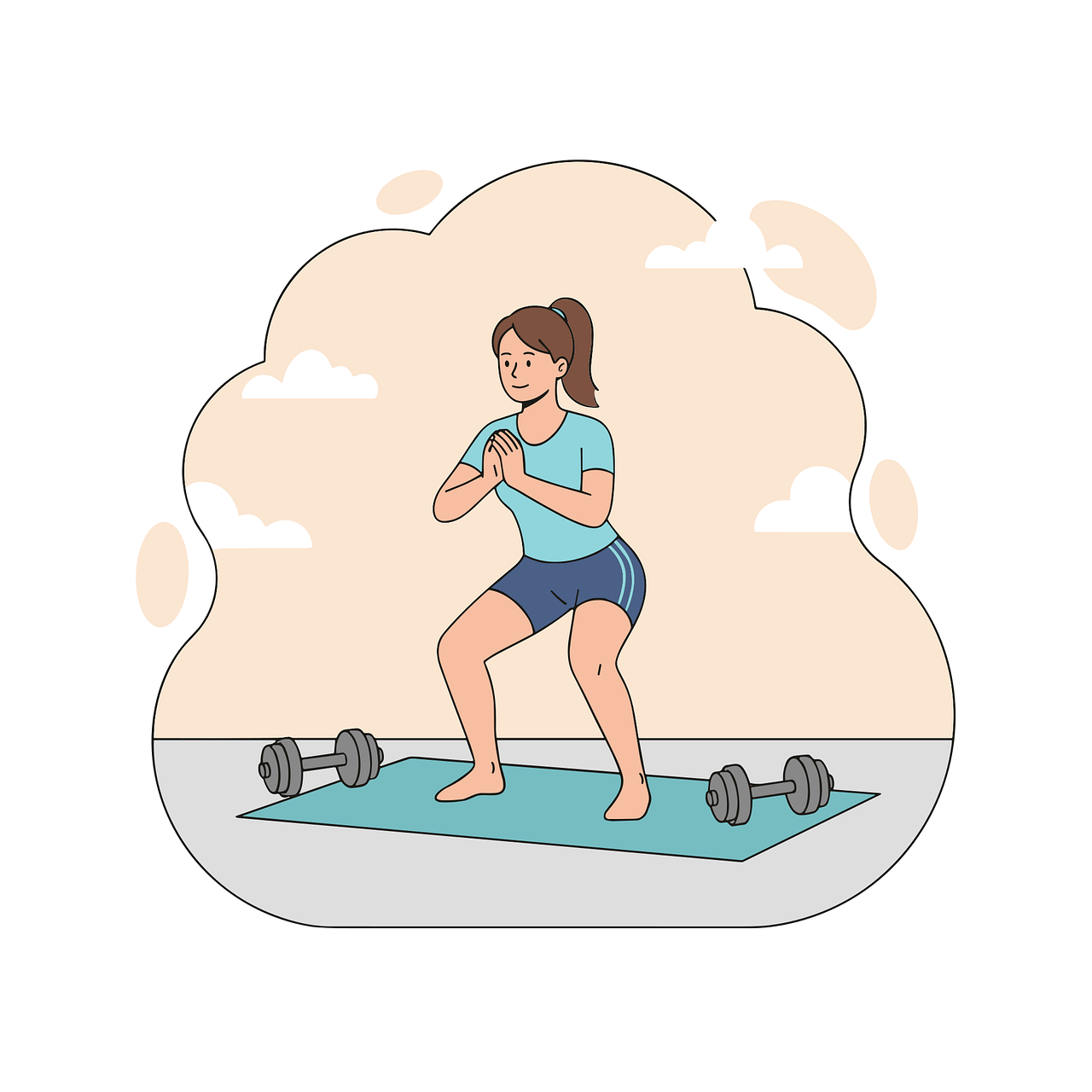

Strengthen Your Lower Body in Week 3: Workout Strategies
In this week’s workout plan, we focus on building lower body strength with a dynamic approach. Consistency is key for progress, and the exercises outlined here will help you enhance muscle endurance, tone, and overall lower body capabilities. Begin each session with a proper warm-up that prepares your muscles for rigorous activity. This can include jogging, dynamic stretches, and bodyweight exercises to ensure your legs are primed. Aim to integrate both compound movements that engage multiple joints and targeted exercises that focus on specific muscles. Essential exercises could be squats, lunges, and leg presses, which effectively develop major muscle groups: quadriceps, hamstrings, and glutes. The importance of form and technique can’t be overstated, as proper execution prevents injury and maximizes benefits. Gradually increase weights and resistance as you adapt to the routines, promoting continual growth. Set clear daily goals, track your progress, and don’t forget to allow adequate rest. Your lower body will respond well to the dedicated effort, building a strong foundation for complex movements in more advanced workouts.
Weekly Workout Schedule
Let’s break down your workout schedule for the week to effectively strengthen your lower body. You should plan for at least three workout sessions dedicated to lower body training. On Day 1, focus on heavy compound lifts, starting with squats followed by deadlifts; both should remain the focus of this session. Each exercise should consist of 3 to 4 sets of 8 to 12 reps, depending on your capability. On Day 2, shift to isolation movements like leg extensions and calf raises to target different muscle groups. Make sure you do 3 sets for each exercise while maintaining moderate weights. Day 3 can feature a mix of cardio and functional training. Circuit training utilizing kettlebells and bodyweight movements like step-ups can help in overall endurance. Ensure adequate recovery between these sessions to allow for muscle repair and growth. Don’t overlook the importance of hydration and nutrition to fuel your workouts. A balanced diet rich in protein, carbohydrates, and healthy fats will support your lower body strength development. The synergy of these sessions will lead to noticeable improvements.
As you advance, incorporate progressive overload techniques into your workouts. This principle involves increasing the weights or resistance for your exercises gradually. Adding small increments every week ensures that your muscles continually challenge themselves, which is essential for strength gains. Besides weights, consider enhancing intensity through slower rep tempos or super-setting exercises. For example, perform a set of squats immediately followed by lunges with minimal rest in between. This strategy creates a higher demand on your muscles and may accelerate strength development. Moreover, it’s beneficial to track your lifts each week to identify patterns and make adjustments. It motivates you while providing data to understand your progress accurately. Keeping your routines varied is also crucial, as it prevents plateaus. Explore new exercises like Bulgarian split squats or kettlebell swings to keep your workouts fresh and engaging. Community involvement can provide additional motivation; consider joining a local fitness group focused on lower body workouts. The camaraderie can bolster your experience and enhance your motivation as you push to reach your goals. Dedication combined with strategic planning will emphasize your progress.
Nutrition Tips for Lower Body Strength
Nourishment is crucial for complementing your workout endeavors and optimizing lower body strength. Prioritize protein intake, which is vital for muscle repair and growth post-exercise. Include sources such as lean meats, fish, legumes, and dairy products in your diet. A balanced diet should feature a mix of carbohydrates for energy and healthy fats for overall body function. Timing your meals around your workouts can also enhance performance and recovery; aim to consume a meal containing a good balance of protein and carbohydrates about 1 to 2 hours before and after your training sessions. Incorporating nutrient-dense snacks, such as Greek yogurt with berries or a protein smoothie, can efficiently replenish energy stores. Furthermore, hydration must not be neglected; drinking water before, during, and after workouts ensures optimal performance and recovery. Monitoring electrolyte levels through hydration stations can be beneficial, especially during high-intensity sessions. Consider consulting a nutritionist if you have specific dietary needs or goals. The synergy between strength training and proper nutrition will culminate in a more robust lower body over time. Balance your physical efforts with mindful eating to achieve desired outcomes.
Finally, don’t forget to cool down and stretch post-workout. Incorporating a dedicated cooldown session will help your body transition back to a resting state and prevent stiffness. Gentle stretches targeting your hamstrings, quadriceps, and calves are essential for maintaining flexibility. Holding each stretch for at least 30 seconds allows the muscles to relax effectively, promoting better recovery. Integrating foam rolling can also alleviate muscle tension and soreness, enhancing your mobility over time. Maintaining lower body flexibility is often overlooked but integral to your overall strength training regime. Focus on your breathing during cool down; deep, controlled breaths will aid in relaxation. Consider establishing a recovery day for actively engaging in lighter activities like walks, yoga, or swimming, which promotes active muscle recovery. Emphasizing recovery helps prevent overtraining and injuries, allowing you to hit future workouts full of energy and focus. Taking care of your body is just as important as the workouts you perform, so listen to its signals. Incorporate these concluding tips into your weekly regimen to enhance low body performance in preparation for continued growth. Listen to your body as it will guide your training journey efficiently.
Tracking Your Progress
Tracking your progress effectively is vital to ensuring you stay on course with your lower body strength goals. Regular assessments help identify improvements and areas needing adjustment. One effective method is keeping a detailed workout journal. Log the weights you lift, the number of reps, and sets for each exercise regularly performed. Weekly evaluations should also include taking body measurements to observe changes in muscle tone and overall fitness. If you feel comfortable, consider taking before and after photos to visually document your journey. Visual feedback can be very encouraging, offering tangible evidence of your hard work. Additionally, utilize mobile applications designed for fitness tracking to ease this process. Many apps allow you to enter workout data, monitor progression, and even share your accomplishments within a community of others. Setting short-term and long-term goals helps maintain motivation. Break larger goals into smaller milestones, allowing regular chances to celebrate achievements. Enjoying the journey fosters a sustainable commitment to improving your lower body’s performance. By consistently assessing progress, you can maintain focus, stay accountable, and adjust strategies as necessary based on the results observed in your training.
By following these strategies, you will undoubtedly witness progress week after week, which is incredibly motivating. Remember that building strength is a gradual process; take pride in each small victory. Engage with fitness articles, like those on popular websites, to discover new tips and perspectives relating to lower body workouts. Consider the significance of mindset and grit in these developing weeks; maintaining a positive attitude is equally essential to physical effort. Surround yourself with others who inspire you, whether in online forums or at the gym. Building a support system fosters commitment and enhances accountability. Additionally, view your setbacks as learning experiences rather than discouragements. It’s integral to understand that fluctuations are part of any fitness journey; adapt your approach as needed. Implement the experiences and knowledge gained into your routine. After all, it’s not just about the destination but also the journey. Remember, each week you dedicate to your lower body strength is a step toward achieving your overall fitness aspirations. Ultimately, you are the architect of your progress; designing a structure that supports strength ensures you build a solid foundation for future activities.
In conclusion, focusing on your lower body strength training will yield substantial benefits when approached with proper techniques and nutritional support. As you pursue this goal over the next weeks, do not hesitate to seek further guidance. Experimenting with varying workout styles will maintain excitement while broadening your fitness base. Explore local classes or online workouts to discover what resonates best with your personal style. Make sure to evaluate personal preferences when developing workouts by considering which exercises you enjoy or those you find the most challenging. It’s this balance that can sustain long-term commitment to your physical fitness journey. Developing a strong lower body enhances not only your athletic abilities but also plays a crucial role in daily activities, as a stable foundation stabilizes your movements. Moreover, this commitment to muscular strength will lend itself well in preventing injuries, as strengthening the supporting muscles around joints leads to improved balance and coordination. Keep pursuing knowledge about strength training and be willing to evolve through your journey. Remember, every champion started where you are, and your progress, no matter the tempo, is an achievement worth celebrating.