
The Role of Coaches in Preparing Competitors for Dance Aerobics Contests
The pathway to success in dance aerobics competitions is paved with dedication and hard work. Coaches play a pivotal role in guiding competitors through this journey. From improving technical skills to enhancing performances, their influence is often critical. Coaching involves much more than merely instructing movements. It encompasses motivation, strategic planning, and emotional support. Coaches meticulously tailor training programs for each dancer, ensuring that they sharpen their strengths and address their weaknesses. They break down complex routines into manageable segments, enabling dancers to master cada section effectively. Furthermore, coaches instill confidence in competitors, helping them to cultivate a winning mindset. Effective communication and constructive feedback are integral to the coaching relationship. Coaches must foster an environment where dancers feel secure yet challenged. This balance not only improves skills but also promotes creativity in performances. Additionally, they help competitors to stay mentally prepared, dealing with pressure and competition anxiety. Coaches have to build resilience in their athletes. The roadmap to victory in dance aerobics is marked by numerous preparation sessions that require both individual effort and collective teamwork. A well-prepared competitor will always outperform relying solely on talent.
To navigate the often competitive landscape of dance aerobics, coaching strategies must adapt proactively. This adaptability enables coaches to stay relevant and updated with the latest trends in dance and aerobics. Coaches should emphasize the importance of research as well; knowing historical winners can provide insights into what makes a successful performance. Training sessions are enhanced through evidence-based practices, which help in refining choreography and techniques. Regular assessment of competitors’ progress informs necessary adjustments to training regimens. Moreover, solidarity among the competitors is crucial. Coaches encourage camaraderie, creating a supportive community that motivates each dancer to give their best. This collective spirit is powerful, uniting dancers towards a common goal. Coaches should also vary training routines to prevent monotony, ensuring engagement remains high. The inclusion of diverse dance styles in aerobics training can enhance versatility and appeal. On performance days, coaches prepare dancers for the emotional aspects. Visualization techniques, breathing exercises, and relaxation methods help manage competition nerves. This preparation equips dancers to deliver performances that are not just technically sound but also expressive. Thus, effective coaching encompasses physical training, emotional management, and the promotion of a positive, community-oriented atmosphere.
Supporting Competitors’ Development
Coaches also focus on the holistic development of dancers beyond just their performance skills. They catalyze growth in areas such as discipline, teamwork, and resilience. Coaches serve as mentors, helping dancers set personal goals that align with competitive aspirations. In the realm of dance aerobics, where individual and team elements coexist, understanding how to work effectively with others is essential. Coaches instill values like humility and sportsmanship, which are vital during both victories and defeats. Furthermore, the coaching relationship involves fostering an atmosphere of trust where dancers can express their concerns or fears. Creating such a safe emotional space allows for open dialogues regarding challenges faced in competitions. Coaches also must recognize the burnout signs among their athletes, adjusting training loads accordingly to keep morale high. Through periodic feedback, the coach-dancer connection strengthens, enhancing overall performance. Coaches should involve parents in the process as well; a united front provides dancers with the necessary support systems. By equipping competitors with both skills and emotional intelligence, coaches prepare them not just for a single event but for life beyond the stage. Dance aerobics competitions wish to foster well-rounded individuals who thrive both on and off the floor.
Another significant aspect of a coach’s role is their involvement in the logistical preparations for competitions. Managing schedules, registrations, and travel arrangements can be overwhelming for dancers. A coach’s organizational skills are necessary to ensure that all these factors run smoothly. When logistics are well-handled, competitors can focus completely on their performance instead of being distracted by misplaced items or forgetfulness. Coaches often liaise with event organizers to gather necessary information, like competition schedules and judging criteria, ensuring that dancers arrive prepared. Moreover, being knowledgeable about the judging process helps competitors align their routines with what judges typically look for. Such insights can make a considerable difference in performance evaluations. These logistical efforts extend to conducting practices in venues similar to the competition space. Familiarization with the stage layout significantly boosts dancers’ confidence. Additionally, coaches should emphasize the importance of physical wellness leading up to competitions, including nutrition and rest. Proper recovery enables athletes to be in peak form. By managing both the technical aspects and the logistics, coaches serve as linchpins, ensuring their dancers have every advantage when it comes time to compete on stage.
Enhancing Team Dynamics
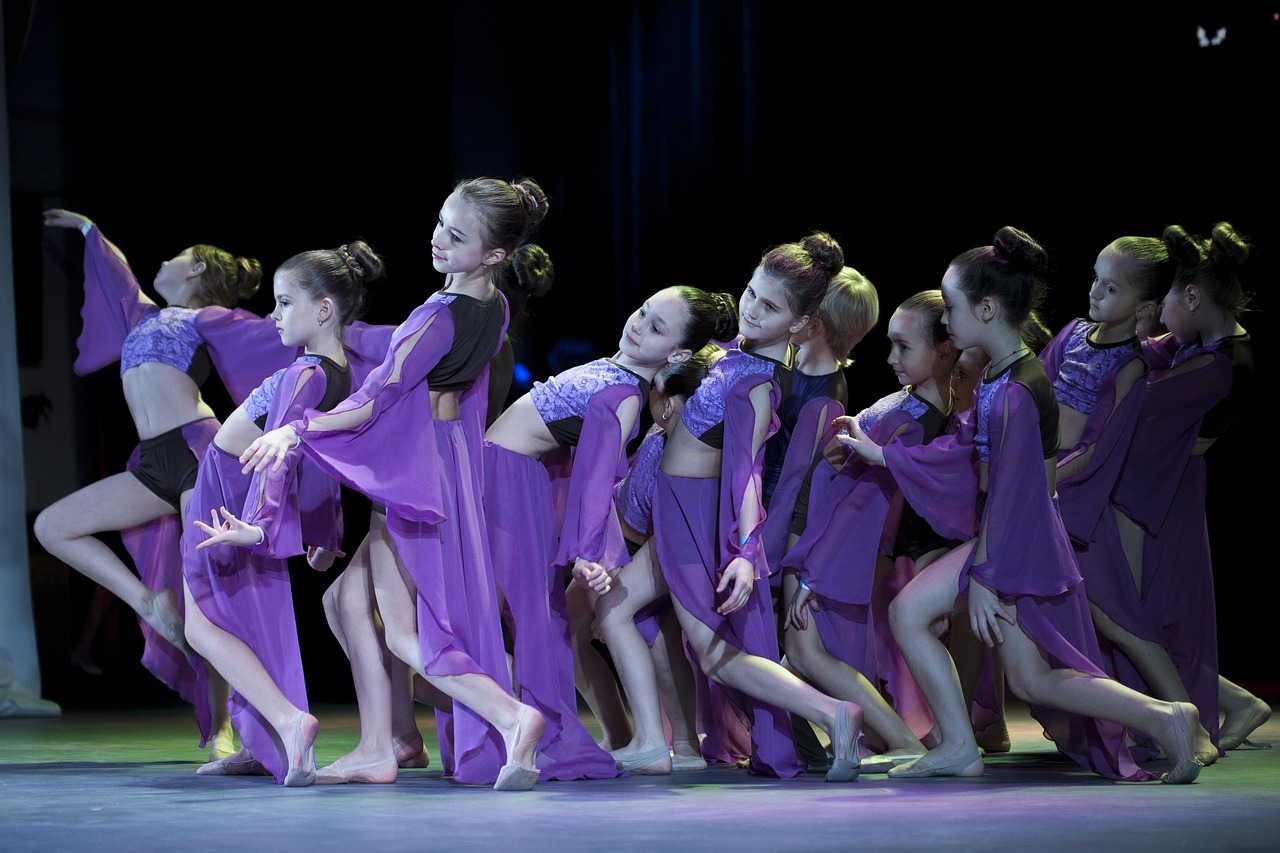
A critical element of preparing for dance aerobics contests is fostering strong relationships within the team. Coaches play an essential role in molding team dynamics to ensure cohesiveness among competitors. Team-building activities can be incorporated into training programs to strengthen bonds and encourage collaboration. Dancers who know each other well typically perform better synchronously, exhibiting flawless routines. Encouraging open communication allows members to express ideas for routines and choreography, fostering creativity. Team dynamics also influence emotional variability; having supportive teammates can alleviate individual stress. Coaches ensure that roles within the team are well defined, emphasizing each dancer’s unique contributions during routines. Recognizing personal strengths not only boosts confidence but promotes respect among teammates. Conflict resolution is another critical area where coaches provide valuable support, helping dancers navigate differences constructively. When teams are aligned and work together harmoniously, the collective energy translates into memorable performances. Moreover, coaches should celebrate team successes, reinforcing a culture of acknowledgment and positivity. This commendation fosters enthusiasm and motivation for upcoming competitions. Overall, the coach’s intricate understanding of team dynamics equips dancers with the tools to excel not just as individuals but as a unified ensemble.
Coaches also address the multifaceted challenges that arise during the competition season, adjusting their approaches accordingly. One essential factor is managing expectations; both coaches and dancers must balance ambition with realistic outcomes. Creating a plan that incorporates gradual progression allows competitors to tackle challenges step-by-step, fostering growth over time. Coaches should advocate that dancers measure success not solely on outcomes but on their development journey throughout the season. Developing physical endurance and mental toughness is vital. Regular check-ins can be conducted by coaches to assess how dancers feel about their progress. This habit encourages open lines of communication and reassures competitors that their feelings are valid. Innovative training techniques can be introduced to keep engagement levels high and stimulate motivation. Additionally, dancers can benefit from informational workshops hosted by coaches, covering performance anxiety management and mental conditioning. These learning opportunities empower dancers with skills that enhance both their personal and competitive experiences. Competitors who feel well-supported and educated are likely to perform at their optimum levels. As contests approach, this multifaceted preparatory work immensely benefits athletes, giving them the tools necessary to shine on competition day.
Conclusion
In summary, the role of coaches in preparing competitors for dance aerobics contests is crucial and multifaceted. Coaches do not merely teach movements but contribute to the overall development of athletes. They combine technical skill enhancement with emotional support, helping dancers push through their boundaries. Moreover, the coach’s organizational responsibilities reduce stress, allowing dancers to focus on their performances. Building team dynamics and fostering relationships further strengthen the performance environment. Coaches emphasize personal growth, viewing each season’s progress as an opportunity for continual improvement. Additionally, adapting to the specific needs and challenges of each competition builds well-rounded competitors who can handle pressure. Coaches also ensure that logistical elements are managed efficiently, leaving no stone unturned. From logistical preparations to emotional management, the layers of a coach’s influence are endless. As each dance aerobics contest approaches, the foundation built through coaching can set competitors up for success, allowing them to perform with confidence. Coaches not only guide but also inspire future generations of dancers, cultivating a rich tradition in the dance aerobics community that highlights both skill and camaraderie.