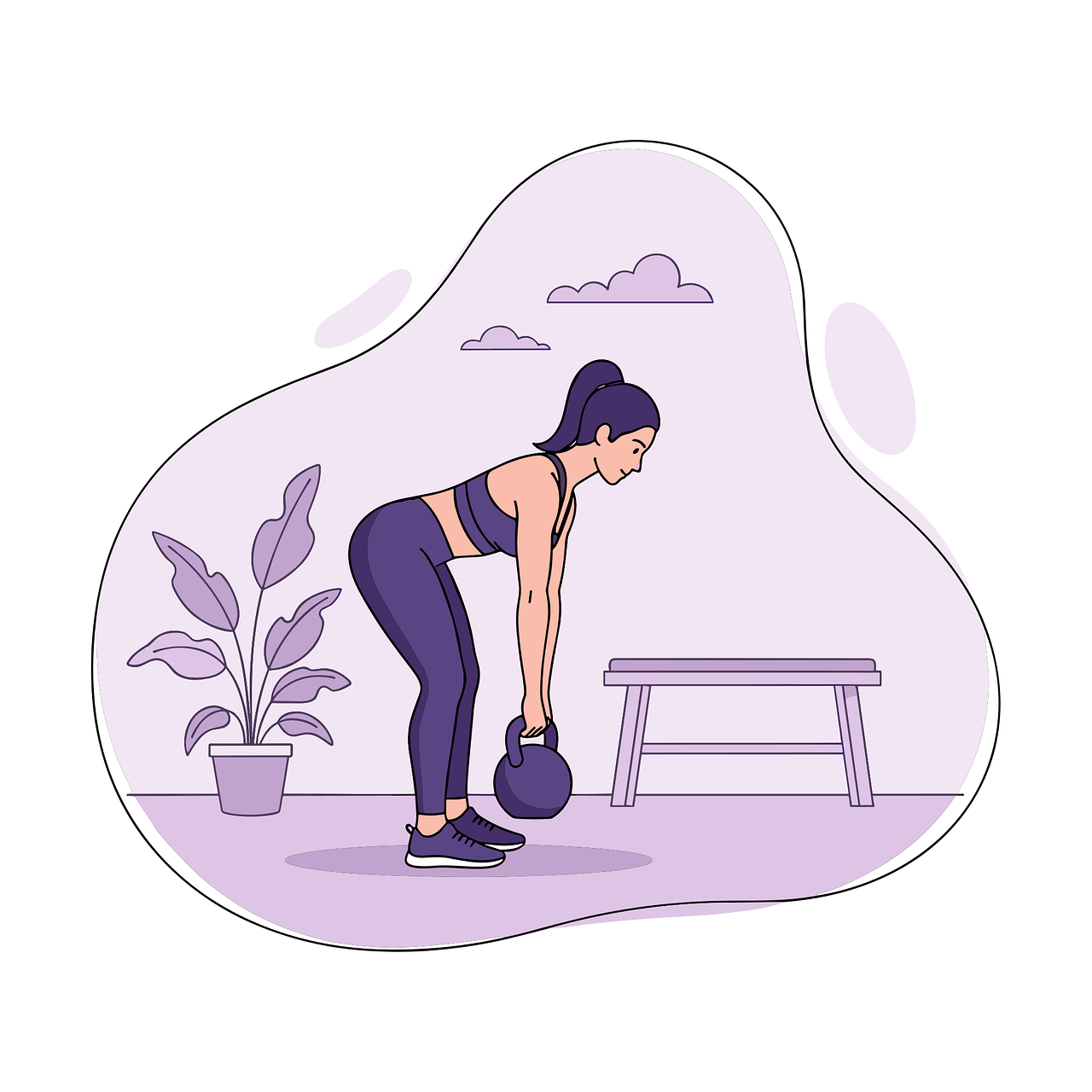

Adapting Your Workout to Enhance Lower Back Mobility
Enhancing lower back mobility is essential for overall wellness and fitness. Many individuals suffer from lower back pain due to poor flexibility, which can be improved through proper stretching and exercise. Incorporating targeted movements in your daily routine can lead to significant improvements in flexibility and reduced discomfort. One effective way to enhance your lower back mobility is through a combination of dynamic stretches and strength-training exercises, which promote flexibility while ensuring the muscles remain strong. This approach helps alleviate stiffness, encouraging better movement patterns during physical activities. It is crucial, however, to focus on form and technique to prevent injuries. Gradually increasing the intensity and duration of your workouts will help you achieve your mobility goals. Incorporating rests and recovery sessions into your routine will also enable the body to adapt effectively. Consider consulting a fitness professional for personalized exercises tailored to your needs. Additionally, maintaining proper hydration and nutrition can support muscle health, aiding flexibility. Many stretching routines can be found online or in fitness apps to ensure you’re executing the motions correctly, maximizing your workout efficiency.
Key Exercises for Lower Back Mobility
When looking to enhance lower back mobility, it’s crucial to incorporate specific exercises into your routine. Movements such as cat-cow stretches, pelvic tilts, and seated forward bends can effectively ease tension and improve flexibility. One great addition is the supine hamstring stretch, which targets not only the hamstrings but also promotes pelvis stability. To perform this, lie on your back, raise one leg, and hold it with your hands while keeping the opposite leg flat on the ground. Another beneficial exercise is the bridge, which strengthens the glutes while opening up the hip flexors, consequently benefiting the lower back. Additionally, lunging hip flexor stretches can relieve tightness in the hip area, enhancing mobility. Practical tips for success include engaging deeply with each movement, breathing properly, and holding each position for an adequate duration. Remember to listen to your body, as pushing too hard can lead to damage rather than progress. Practicing these exercises consistently for at least three times a week can yield substantial improvements. Furthermore, maintaining a well-rounded fitness routine will enhance overall mobility, not just in the lower back.
Incorporating active recovery techniques into your training schedule can significantly boost lower back flexibility. Active recovery refers to low-intensity exercises that promote blood flow and help in muscle recovery. Activities such as walking, yoga, or swimming ease tension while engaging the lower back muscles gently. Consider adding a yoga class focused on mobility, where you’ll learn specific poses designed to open up the hips and spine. This can help alleviate soreness and improve flexibility. These classes typically offer a series of poses that flow together, benefiting both muscle recovery and relaxation. Additionally, foam rolling tight areas like the lower back and hips may also alleviate discomfort, improving your range of motion. Gentle movements such as standing or seated twists can further enhance spinal mobility. Always remember to breathe deeply while performing these exercises to maximize the benefits. Allow adequate recovery time post-exercise, using these active recovery techniques on non-strength-training days. Another great way to enhance mobility is through steady-state cardiovascular activities such as cycling or using an elliptical machine, which provides low-impact movement, keeping your lower back engaged.
The Importance of Consistency
Achieving enhanced lower back mobility will not happen overnight; consistency is crucial. It is vital to commit to a regular routine that combines these exercises with healthy practices for best outcomes. By dedicating a minimum of 15 minutes each day specifically to flexibility training, you can gradually see improvements in your muscle elasticity and overall mobility. Creating a schedule that incorporates flexibility work several times a week allows your body to adapt, fostering lasting change. To maintain motivation, consider tracking your progress, noting improvements in movements or reductions in discomfort. Setting realistic goals ensures you stay engaged in your journey. As you progress, you can gradually increase the challenge of your workouts, focusing on deeper stretches and adding resistance. This will help push your limits and keep your experience interesting. Also, ensuring you complement these routines with a good diet can provide the necessary nutrients for muscle repair. Remember to involve a buddy in your workouts for additional support and motivation, as shared workouts tend to yield better results and foster commitment. Seek feedback from fitness coaches or physical therapists to ensure you stay on the right path.
Posture is another crucial aspect to consider for lower back mobility, and maintaining proper posture throughout your daily activities is essential. Good posture facilitates proper alignment, reducing the chance of strain or injury to the lower back. While seated, keep both feet firmly planted and maintain an upright position, with your back straight and shoulders relaxed. Take regular breaks from prolonged sitting to stretch and move around, preventing stiffness from creeping in. Also, focus on your standing posture; distributing weight evenly between your feet is essential for balance. Furthermore, strengthening your core and back muscles allows better support for your spine, promoting improved posture. This will not only help with lower back mobility but can also diminish existing pain. During workouts, ensure your form is correct, particularly when lifting weights or performing complex movements. Engaging a fitness trainer to guide you can aid greatly in learning how to maintain proper posture during exercises. Over time, developing these habits will cultivate better mobility, leading to improvements not only in flexibility but also in overall physical performance in various activities.
Lifestyle Factors Affecting Mobility
Many lifestyle factors can affect lower back mobility, and making conscious lifestyle changes is essential. Stress management plays a significant role; chronic stress can lead to tension in the body, particularly in the back muscles, adversely affecting mobility. Practicing mindfulness techniques, such as meditation or deep breathing exercises, can help alleviate stress and promote relaxation throughout the body. Additionally, ensuring a balanced diet rich in anti-inflammatory foods can aid recovery and flexibility. Foods high in omega-3 fatty acids, vitamins, and minerals, such as fish, leafy greens, and nuts, play a crucial role in muscle health. Stay hydrated as well, as hydration is essential for muscle function. Lack of hydration can lead to tightness and reduced flexibility. Incorporate regular physical activity into your daily life, aiming for at least 150 minutes of moderate-intensity exercise weekly. This includes activities such as walking, swimming, and cycling, which promote general flexibility and health. Lastly, evaluate your sleeping environment; ensuring a supportive mattress and proper sleeping position can drastically affect your back’s recovery and mobility.
In conclusion, enhancing lower back mobility through a well-rounded approach can lead to significant benefits for your overall well-being. By incorporating specific exercises, maintaining proper posture, and addressing lifestyle factors, you can create a foundation for a healthier, more mobile life. The key to mobility improvement is consistency; commit to your routine and adjust it according to your comfort levels while progressively challenging yourself. Remember that incorporating active recovery techniques and managing stress thoughtfully plays a vital role too. Stay informed and listen to your body, as this will prevent injury and ensure long-term success. Effective nutrition and sleep hygiene are equally important, the best foundation for your exercise efforts. Establishing a support system, whether through workout buddies or fitness professionals, keeps you accountable and motivated. The journey to greater flexibility and strength might take time, but setting small, achievable milestones will help you stay focused and engaged. As you progress, celebrate each achievement, reinforcing your commitment to continuing this vital aspect of your fitness. Staying persistent will ultimately improve your lifestyle, movement, and overall quality of life.