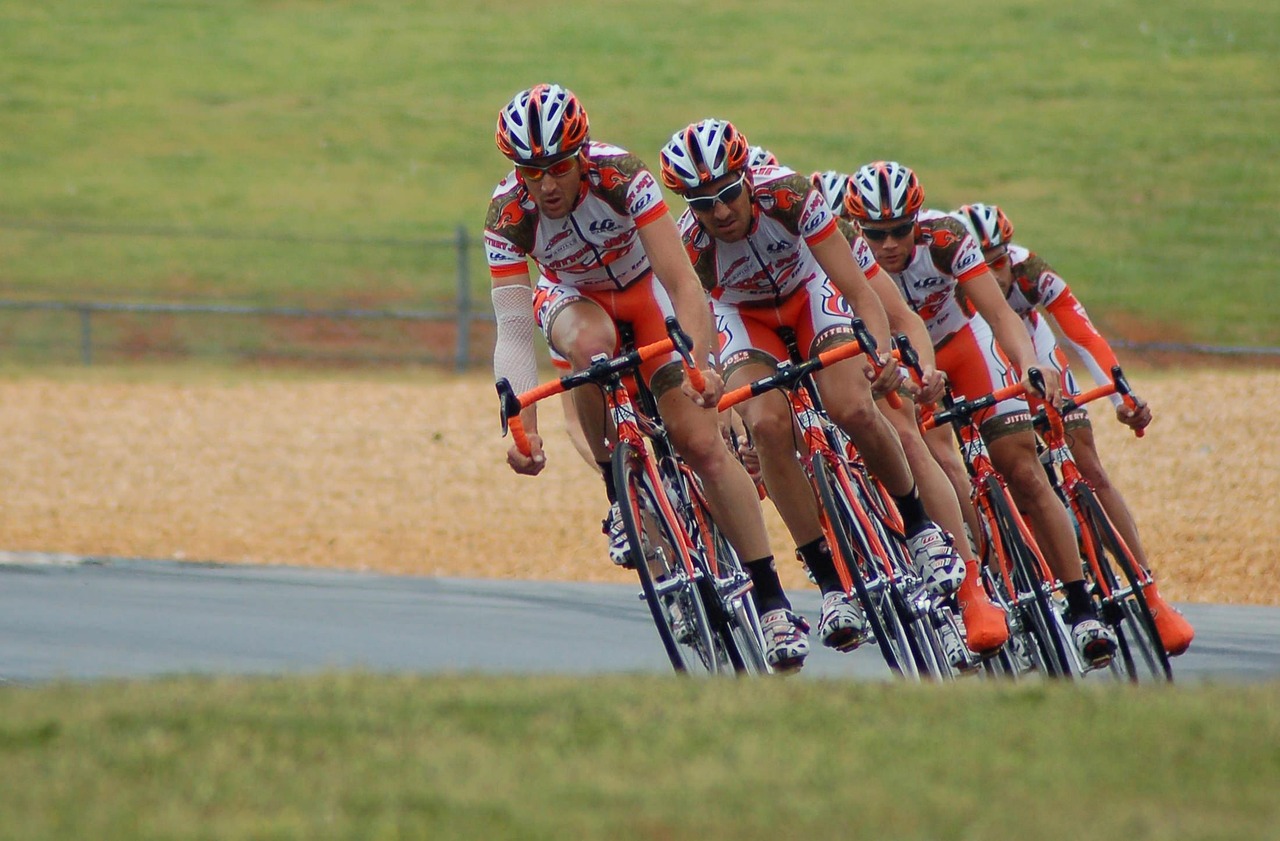

Analyzing the Best Cycling Competitions Around the World
Cycling competitions are a thrilling showcase of endurance, speed, and strategy. Across the globe, numerous cycling events highlight various terrains, weather conditions, and participant skills. Among these, some competitions stand out due to their rich history, challenging routes, and significant prestige. Events such as the Tour de France epitomize the ultimate test of strength, where riders traverse the challenging hills and flats of France. The Giro d’Italia, with its stunning Italian landscape, offers another grueling challenge that attracts elite cyclists. Additionally, competitions like Vuelta a España immerse cyclists in Spain’s diverse geography. Famous races often feature a combination of individual time trials and gruelingly steep climbs, demanding mental and physical fortitude from competitors. Beyond the major tours, cyclo-cross races have surged in popularity. These events engage cyclists in rugged, slippery, and often muddy terrains, testing their bike handling skills. To learn more about these events, aspiring racers can check official websites for schedules, routes, and participation details. Engagement in cycling fosters not only athletic ability but also a community for fans and participants alike.
The Allure of Grand Tours
Grand Tours represent the pinnacle in professional cycling, consisting of many stages ranging over several weeks. Riders aim to complete the course while battling fatigue, rivals, and challenging environments. Known as the three major Grand Tours, namely the Tour de France, Giro d’Italia, and Vuelta a España, they draw international attention. The Tour de France, often regarded as the most prestigious, spans approximately 3,500 kilometers. The challenging climbs of the Alps and Pyrenees separate the elite competitors. In contrast, the Giro showcases Italy’s picturesque regions, requiring stamina and tactical prowess amidst breathtaking views. Meanwhile, the Vuelta tests cyclists in Spain’s mountainous terrain, often featuring steep gradients and narrow roads. Each of these events showcases unique challenges, inviting top cyclists to push their limits. Strategies generated during races often revolve around team dynamics, sprint sections, and selecting optimal pacing strategies. With millions of spectators, both live and online, these events generate significant buzz. For cycling enthusiasts, understanding the culture of these Grand Tours enhances appreciation for the intense competition and athleticism involved. Interested spectators should keep an eye on official race broadcasts for coverage and updates.
In addition to the Grand Tours, numerous cycling competitions span various formats and specializations. Classic one-day races provide fans with a glimpse into thrilling sprint finishes and tactical maneuvers. Events like the Paris-Roubaix and the Tour of Flanders are revered for their grueling cobblestone sections and unpredictable weather. Known for steep and rough terrain, these races demand exceptional skill and resilience. Cyclists often prepare for months, honing specific skills relevant to these testing courses. These events have become a rite of passage for cycling professionals. Furthermore, in the age of technology, riders adopt various gear and techniques, enhancing performance. The increasing role of data analytics in strategy evaluation is vital. For example, employing power meters enables cyclists to monitor their effort levels in real-time. Annually, these prestigious events attract numerous participants and massive crowds, contributing to exciting atmospheres. The fierce competition often leads to surprising outcomes. Fans revel in the intense athleticism displayed on the roads. For those eager to witness the action, race organizers typically offer abundant information regarding race previews and after-action analyses. Engaging in these classic competitions continues to inspire upcoming cyclists.
The Rise of E-Cycling Competitions
In recent years, the emergence of e-cycling competitions has transformed the sport. Utilizing technology and software platforms such as Zwift and RGT, athletes train and compete virtually, regardless of weather or location constraints. Participants can race on computer-generated courses that mimic the feel of real-life cycling events. These environments often host team-based competitions mirroring traditional formats, fostering global participation. E-cycling allows for more inclusive eligibility, appealing to various cycling enthusiasts. Additionally, these virtual platforms introduce engaging features like leaderboards, interactive experiences, and engaging gamification elements. E-cycling events provide competitive environments, accommodating both pros and novice cyclists aiming to enhance their skills. Races can occur simultaneously worldwide with venues springing up in homes and gyms. Riders often seek community connections through these virtual gatherings. In response to growing popularity, brand sponsorships and prize incentives boost investing in e-cycling. Events comprise varied distances, from flat layouts to rigorous mountain climbs, testing cyclists and offering fresh challenges. While some may question whether virtual racing can match the excitement of physical races, performance data captured in e-cycling illustrates competitive seriousness. Consequently, engaging in e-cycling expands participation avenues in competitive cycling.
Both individual and team-based competitions continue to garner attention. Track cycling events also exemplify skilled strategies within velodromes worldwide. These controlled environments grant cyclists distinct advantages when racing against the clock. Participants partake in sprint races and pursuit events, exhibiting raw speed coupled with strategic planning. Team pursuits foster cooperation, leading cyclists to synchronize efforts while racing against rivals. Furthermore, mountain biking competitions explore rugged terrains, requiring agility and technical expertise. Events like the UCI Mountain Bike World Cup highlight various disciplines. From cross-country racing to downhill challenges, these courses attract dedicated riders aiming to capitalize on their mountain biking proficiency. While the thrill of overcoming fears and obstacles invigorates racers, fans delight in the adrenaline-pumping action. Competitors are often seen navigating through challenging landscapes, further enhancing audience involvement. For enthusiasts venturing outside city limits, mountain biking offers scenic experiences while merging adventure and sport. As cycling diversifies into various disciplines, opportunities for riders expand globally. In essence, the tapestry of cycling competitions, encompassing diverse formats and environments, fosters camaraderie both among participants and spectators. Everyone can relish exhilarating events, fostering the sport’s vibrant nature.
Future Trends in Cycling Competitions
The future of cycling competitions appears bright, with innovation shaping participant experiences and competition formats. Enhanced training techniques allow cyclists to prepare for robust competitions. Wearable technology continues advancing, improving performance tracking and strategic planning. Additionally, the growing emphasis on sustainability and environmental consciousness fosters eco-friendly events. Race organizers implement measures such as carbon offset programs. Such initiatives pave the way for greener future competitions, attracting eco-aware cyclists and enthusiasts. Furthermore, the inclusion of diverse formats—such as mixed-gender and adaptive cycling events—encourages wider participation. Recognizing the need for inclusivity, organizers leverage campaign strategies to engage marginalized groups such as women and differently-abled cyclists. Additionally, global cycling initiatives bridge gaps among aspiring riders worldwide, promoting connectivity and cycling culture. Exciting collaborations with social media influencers amplify race visibility and enhance viewer engagement. Commitment to diversity reflects growing awareness of the modern cycling community’s evolving landscape. These shifts present unparalleled opportunities for innovation in event management, format variety, and fan interaction. In summary, as cycling continues evolving, embracing technological advancements will ensure competitions remain exhilarating and engaging for participants and viewers alike.
In conclusion, various cycling competitions worldwide enrich the sport’s tapestry. Events such as the Grand Tours, classic races, and emerging e-cycling formats stimulate excitement while offering diverse experiences. Competitive programming captivates cycling enthusiasts, inviting them to experience the sport’s passion and spirit. Each event showcases the incredible athleticism and determination exhibited by participants as they navigate demanding territories. With an ever-evolving landscape, cycling competitions will continue adapting to modern trends, attracting diverse challengers. By nurturing emerging cyclists, organizing globally relevant events, and championing inclusivity, the cycling community will thrive. Additionally, incorporating technological advancements enhances engagement, making it easier for fans to connect with their favorite competitors. As these competitions evolve, the excitement surrounding cycling grows exponentially, allowing even more people to appreciate the artistry of athleticism. The journey continues, offering immense potential for future developments. Ultimately, amid the challenges of racing, the celebration of skill, endurance, and camaraderie fosters connections within the cycling community. By exploring the variety of cycling experiences offered, aspiring racers can find their niche while engaging in thrilling competitions. Everyone can contribute to the cycling narrative, encouraging participation and appreciation across generations.