
Beginner’s Bodyweight Workout for Building Balance and Coordination
Bodyweight exercises are an excellent way to build strength, flexibility, and coordination without the need for any fancy equipment. For beginners, focusing on these elements is crucial for ensuring a solid foundation as you progress to more challenging workouts. Balancing and coordinating your body during exercises improves your muscle performance and prevents injuries. Starting with simple movements allows you to familiarize yourself with your body and its mechanics. To achieve this, consider exercises like squats, lunges, and push-ups. These movements help develop stability in your core and help enhance coordination, thus supporting balanced development. Incorporate various repetitions and maintain slow, controlled motions to maximize the benefits. Furthermore, ensuring proper technique is essential. Don’t rush through the exercises; focus on quality over quantity. As you grow comfortable with the movements, slowly increase the repetitions. Keep in mind that building balance and coordination takes time, so be patient with your progress. Regular practice will eventually lead to significant improvements, ensuring your body becomes more unified and capable of tackling more complex routines.
When starting a bodyweight workout routine, it’s important to warm up to prevent injury and enhance performance. A warm-up can include dynamic stretching or light cardio to get your heart rate up and your muscles prepared. After your warm-up, you may start with the primary workout, incorporating a mix of exercises targeting various muscle groups. A well-rounded bodyweight routine should finish with cool-down stretches to maintain flexibility and help recovery, which are vital for beginners. In terms of a basic structure, try a circuit format: select 4 to 6 exercises and perform each for a set time, rest briefly, and repeat if desired. These exercises should be asymmetrically balanced and target all muscle groups. It’s beneficial to dedicate specific days for lower body and upper body routines to allow recovery between intense sessions. Each exercise can be repeated multiple times based on your fitness level and stamina. Be sure to listen to your body as you begin your journey. Know when to push harder and when to ease up to avoid injuries and promote long-term progress.
Essential Bodyweight Exercises
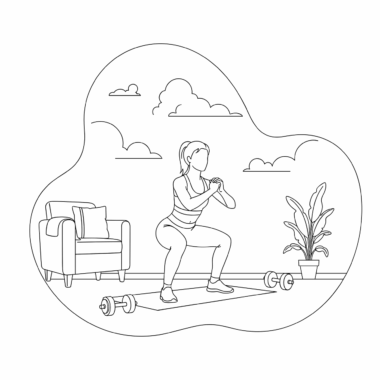
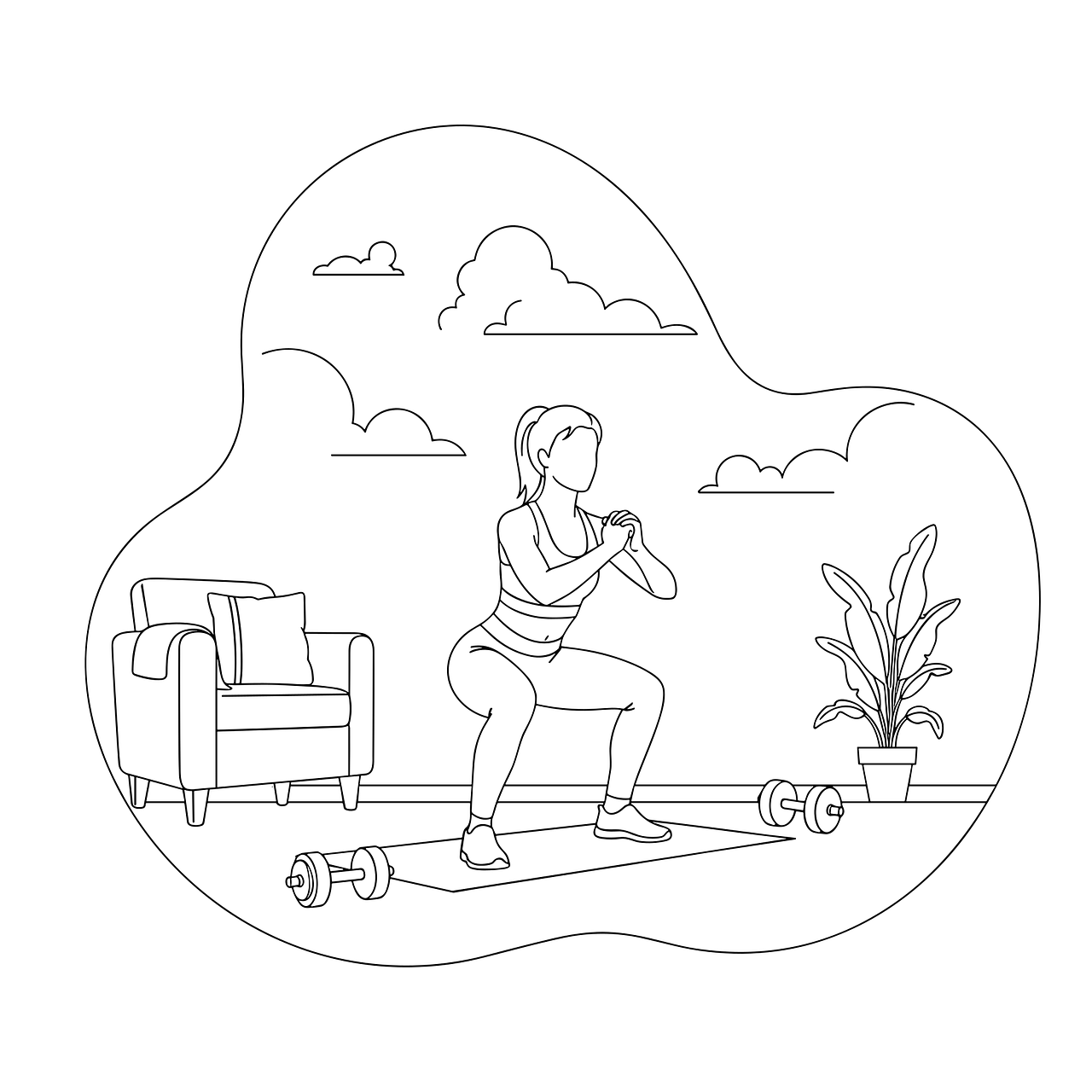
To build a solid foundation in bodyweight workouts, focus on essential exercises that promote balance and coordination. Start with classic movements such as squats, which help strengthen the legs, core, and improve overall stability. Aim for three sets of 10-15 repetitions. Next is the lunge, a fantastic exercise for targeting the lower body and enhancing your balance. Proper alignment is crucial: ensure your knee stays above your ankle as you lower your body. The plank is another vital exercise focusing on core strength and endurance. Aim to hold a plank for 20-30 seconds while maintaining proper form. Additionally, consider integrating push-ups into your routine. These work your chest, shoulders, and arms while also engaging the core for overall stability. You can transform regular push-ups into knee variations if you’re starting. Furthermore, incorporate mountain climbers and glute bridges for a comprehensive workout. These will engage your abs and glutes for further coordination development. Remember, it’s essential to perform each movement mindfully to gain the most body awareness and maximize your workout effectiveness.
As you progress with your bodyweight workout routine, consider incorporating variations to keep your sessions fresh and challenging. Progressions can include slowing down each movement or increasing the range of motion to enhance your workout’s intensity and effectiveness. For instance, with squats, you can try single-leg squats or jump squats. These variations engage more stabilizing muscles to maintain control. Similarly, ankle-to-knee lunges require balance, improving your coordination while targeting various leg muscles. As you become comfortable with standard push-ups, try spiderman push-ups or hand-release push-ups to build strength. Moreover, exploring yoga-inspired movements, like the tree pose, can enhance your balance and flexibility. Overall, variations are necessary for growth in fitness levels and serve to maintain motivation. Failure to challenge yourself can lead to stagnation, which is why integrating progressions within your routine is vital. Allow for rest and recovery days as you build intensity and volume in your workouts. Doing so prevents overtraining and promotes muscles’ effectiveness and performance improvements, fostering continued engagement and cohesion in your body during various physical activities.
Tracking Progress
Monitoring your progress is crucial for long-term success in bodyweight exercises. Keeping a journal allows you to track your workouts, including exercises performed, sets, repetitions, and how you felt after each session. This creates a clearer picture of your growth and can help identify patterns in your training. For instance, have you noticed improvements in your balance or endurance? Recording specifics can keep you motivated and encouraged to continue. Equally valuable is tracking how your body feels during various exercises, which will help to spot weak spots or muscles needing extra care. Adjust your workouts whenever necessary to modify focus areas or change intensities. Incorporate feedback from your body into your routine to optimize your strength and coordination development. Additionally, consider taking progress photos to visually document your transformation over time. Seeing your growth, even if it’s gradual, keeps your spirit alive. Lastly, celebrate small victories, whether mastering a hold in a plank or adding additional reps to your squat. Recognizing your milestones plays a significant role in maintaining motivation.
As you advance toward mastering bodyweight exercises, consider how you might integrate balance and coordination-focused workouts into your overall fitness regimen. While being beneficial for beginners, these workouts can also be adapted for more seasoned individuals by simply scaling intensity. Variations provide an opportunity for learning and growth. When sculpting a well-rounded fitness program, ensure that your workouts encompass strength training, flexibility, and cardiovascular fitness. Daily or weekly schedules can focus on different aspects, providing necessary variety. Balance-intensive workouts can be included at least twice a week to develop and solidify gains in coordination and stability. You may even include playful activities like jumping rope or playing sports that demand quick thinking and coordinated movements during off days. Participating in such activities enhances your body awareness while positively impacting physical fitness. Overall, the goal of these workouts is to carve out a foundation that promotes sustainable and healthy habits. Ultimately, dedicating time to balance and coordination can lead to enhanced performance in diverse, daily activities and prolonged engagement in more advanced exercise practices, ensuring a lifetime of fitness.
Conclusion
In conclusion, a beginner’s bodyweight workout focused on building balance and coordination is a fantastic way to enhance your fitness journey. By prioritizing core essential exercises, you establish a strong foundation for future progress. Include balance and coordination workouts alongside strength and flexibility training to guarantee a well-rounded approach. Keep in mind the importance of warming up and cooling down as you engage in these routines. Document your progress by tracking workouts, monitoring feelings, and celebrating achievements. These practices will keep you motivated and promote proper form and body awareness. As you develop your skills, don’t hesitate to experiment with variations to prevent stagnation. Ultimately, remember to listen to your body, ensuring sufficient recovery and adapting your workouts to your current abilities, learning when to push further. Regular practice will yield results in no time, improving your overall fitness, coordination, and confidence. Establishing a solid balance between strength and endurance through bodyweight exercises positively impacts other physical pursuits and day-to-day activities. Through persistence and patience, you will witness the unfolding of your potential, paving your path toward a healthier lifestyle.
Overall, engaging in a beginner’s bodyweight workout program offers numerous benefits, including improved balance and coordination. These foundational skills create a pathway to advanced movements, reducing the risk of injury and enhancing overall physical abilities. Consistently practicing these workouts will contribute positively to your fitness journey. The combination of strength, flexibility, and coordination workouts can lead to a more graceful body and improve performance for daily activities. It’s important to recognize that every individual’s progress will be unique; disparities of strength may influence performance and endurance. So, be gentle with yourself as you navigate through the various stages of your journey. With commitment to your routine, you will inevitably see changes. You might notice newfound muscle tone, increased stability, or perhaps improved endurance during exertion. Stay engaged with your practice, constantly pushing the limits of your comfort zone, while also allowing rest and recovery when necessary. Remember that fitness is not a sprint but a marathon built on steady habits and perseverance. Embrace the process and take joy in your progress, allowing each workout to lay the groundwork for better health and wellness in your life.