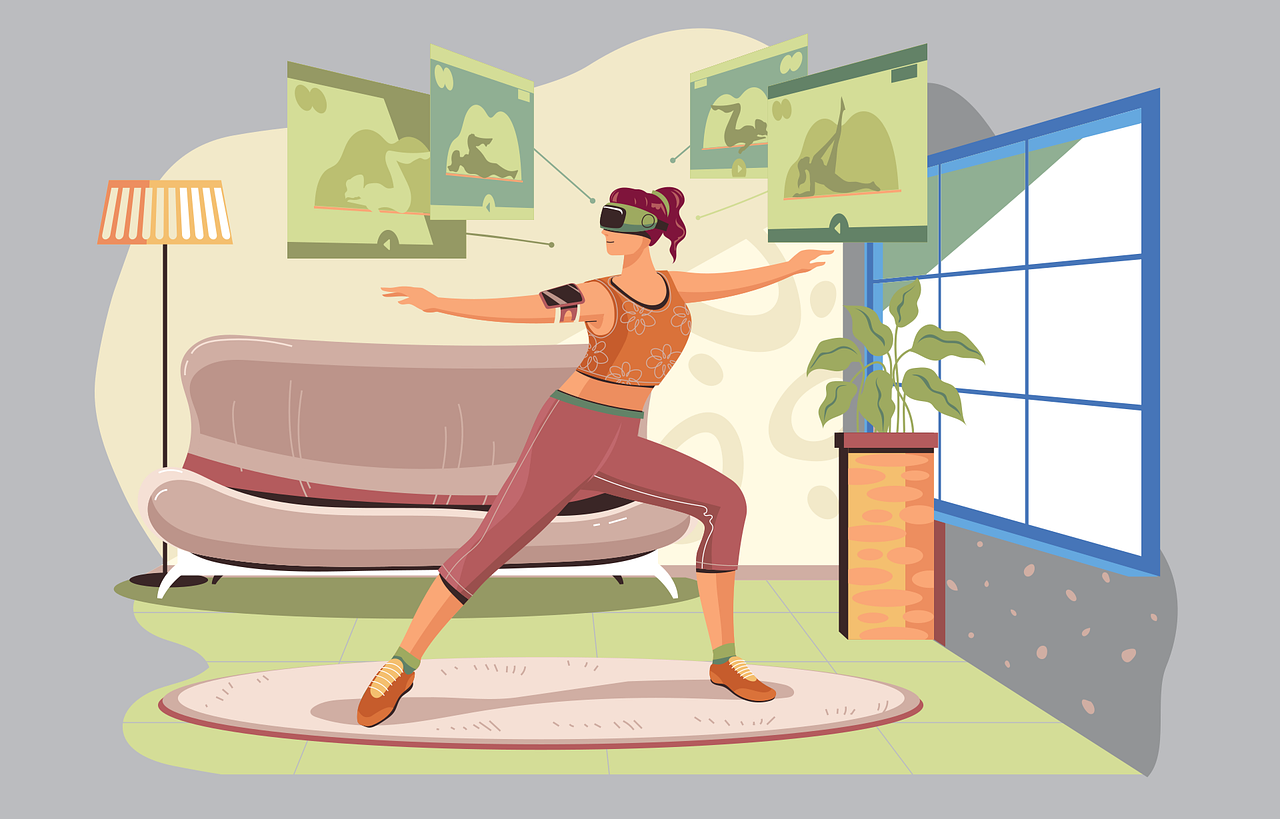

Best Virtual Reality Fitness Apps for Cardio Training
Virtual reality (VR) fitness apps have revolutionized how we approach workout routines, particularly for cardio training. With immersive environments and interactive experiences, these applications not only help to enhance fitness levels but also ensure workouts are entertaining and engaging. One of the most notable benefits of VR fitness is its ability to transport users into various settings, making mundane exercises feel like adventures. Users can jog through picturesque landscapes or cycle through bustling streets, all from the comfort of their homes. Furthermore, VR apps can track performance metrics such as heart rate, calories burned, and workout duration. They consistently challenge users, ensuring progress tracking, which can motivate individuals to push themselves further. Notably, many of these apps are compatible with standard exercise equipment, thus expanding their usability. With the flexibility to workout anytime, anywhere, VR fitness apps are a strong contender for those seeking a compelling alternative to traditional cardio methods. As these technologies continue to evolve, the appeal of VR fitness will only grow, making fitness more accessible and enjoyable for everyone.
As we delve deeper into specific VR fitness applications available today, one standout title is ‘Beat Saber.’ This app combines rhythm and exercise, challenging users to slash through colorful blocks in sync with music. It is not only a superb cardiovascular workout but also enhances coordination and timing. Another excellent choice is ‘BoxVR,’ which offers boxing-inspired workouts that are both intense and enjoyable. Users can engage in structured workout routines designed by professional trainers, giving them access to high-quality exercises that focus on building cardio endurance while promoting overall fitness. Additionally, ‘Holofit’ provides a creative approach to cardio training by providing users with various immersive environments in which to perform cycling or rowing workouts. This experience pushes users to explore their fitness capabilities in enjoyable scenarios. The inclusion of multiplayer options fosters social interaction, encouraging users to work out with friends or compete in challenges. As you can see, there are numerous options that cater to different fitness interests, which can keep motivation high while helping users achieve their personal fitness goals.
Apart from traditional cardio routines, VR fitness apps also have unique features that incorporate gaming elements into their workout schemes. For example, ‘FitXR’ offers a blend of workout styles, from dance to kickboxing, all within a virtual class setting. This flexibility enables users to choose the type of workout that resonates with them the most, ensuring they remain engaged. Moreover, the social aspect of these classes encourages community support among users, further enriching the experience. In addition to this, programs such as ‘Rift 2.0’ highlight the necessity of creating immersive fitness experiences that promote not just physical activity but also the mental stimulation needed to maintain engagement in workouts. The fusion of gaming with fitness essentially lowers the barriers many face when starting an exercise regimen. With the gradual integration of various forms of exercise and gamification, users can find personal joy in their workout routines, subsequently leading to a sustainable fitness lifestyle. It’s clear that fitness and fun can successfully coexist in the realm of VR.
Technology Integration in VR Fitness
As technology advances, VR fitness apps are integrating additional features that enhance user experiences. Many applications now utilize real-time data monitoring, which provides feedback on performance during workouts. Users can quickly assess their heart rates, energy expenditure, and calories burned, thus allowing for adjustments in their routine on-the-fly. Another important aspect of VR fitness is the incorporation of artificial intelligence, which personalizes workout plans based on individual goals, fitness levels, and preferences. This tailored approach makes it easier for users to remain on track with their fitness ambitions. Furthermore, advancements in VR headsets have improved accessibility and comfort, allowing a more immersive experience without discomfort during longer sessions. Consequently, these technological strides are helping to break down the barriers that previously hindered users from fully engaging in a fitness routine. As we move forward, expect even more innovations within the VR fitness industry that will cater to a broader audience and make cardio workouts more appealing than ever. The potential for increased user engagement and motivation in cardio training through VR is vast and promising.
Another aspect worth exploring is the impact of VR fitness on personal motivation. Unlike traditional workout settings, which can sometimes lead to boredom, VR fitness apps create dynamic environments that stimulate the senses. By placing users within visually stunning virtual landscapes, these applications encourage longer and more consistent workout sessions. The gamification of workout achievements, where users can earn rewards and track progress through gamified challenges, also plays a crucial role in enhancing motivation. Many individuals find that incorporating game-like elements, such as leveling up or competing against friends, can turn fitness into an enjoyable pursuit rather than a chore. Moreover, the sense of achievement from progressing through workouts adds to users’ intrinsic motivation. This results in users committing to fitness plans longer and more effectively than they might with conventional forms of exercise. Using these VR fitness apps, people can rediscover joy in movement while also benefiting from improved cardiovascular health. Therefore, the combination of fun and fitness can be a winning strategy to encourage more individuals to prioritize their health.
Future of Virtual Reality Fitness
Looking ahead, the future of virtual reality fitness apps appears brighter than ever. The constant evolution of technology promises to enhance these experiences further and broaden the options available to users. As the market expands, developers are likely to introduce even more innovative features that cater to diverse user preferences. One probable trend includes more personalized workout experiences driven by advanced algorithm-driven recommendations based on user performance data. Furthermore, as VR technology becomes more widely adopted, we can expect a larger community of users collaborating and sharing their journeys through social platforms integrated into these applications. Virtual rewards could soon be adapted to allow users to celebrate achievements together, fostering a healthier sense of camaraderie throughout the community. As users become more engaged, facilities and fitness studios may also begin to incorporate VR technology into their training programs, allowing frequent gymgoers to experience virtual fitness classes in addition to classic regimes. Therefore, the convergence of technology and fitness holds immense potential for creating an inclusive, entertaining, and effective approach to cardiovascular health for future generations.
In conclusion, the best virtual reality fitness apps for cardio training provide users with a unique blend of exercise, entertainment, and community support. The appeal of these applications lies in their ability to transform mundane workouts into exciting adventures while keeping individuals motivated through unique challenges and achievements. By integrating technology into fitness, these apps empower users to monitor their performance and tailor workouts according to personal goals. Gamification encourages users to compete against themselves and others, turning workouts into enjoyable experiences rather than chores. With advancements in VR technology, the future of fitness apps looks promising, paving the way for broader adoption and innovative features. As we embrace these fitness trends, it’s crucial to remember that every individual’s journey is personal and unique. Engaging with VR fitness apps can serve as an effective tool for enhancing cardiovascular health while promoting an active lifestyle. Discovering effective strategies to incorporate physical activity into daily life through fun and engaging means makes pursuing fitness more accessible for everyone. VR fitness is not just about workouts; it’s about building a healthier future.
To get started on your VR fitness journey, consider exploring the options that resonate best with your interests and fitness goals. You may choose to install various applications and experiment with different workouts, each designed to challenge you in unique ways. Take the time to assess which virtual experiences keep you motivated the longest. Don’t hesitate to share your experiences and accomplishments through social media, as engaging with others can cultivate a sense of community. Make it a point to join with friends and family to stay accountable and encourage each other towards your fitness aspirations. Incorporating regular cardio routines alongside these immersive experiences will yield better overall health benefits while keeping your motivation high. Remember, the shift towards virtual fitness is not just a trend but an opportunity to reshape how we view exercise. By embracing the innovative tools available today, you can revolutionize your fitness journey and create a lasting impact on your health. Experience the difference, and you may find a new passion for cardio training that leads to a consistent long-term wellness lifestyle.