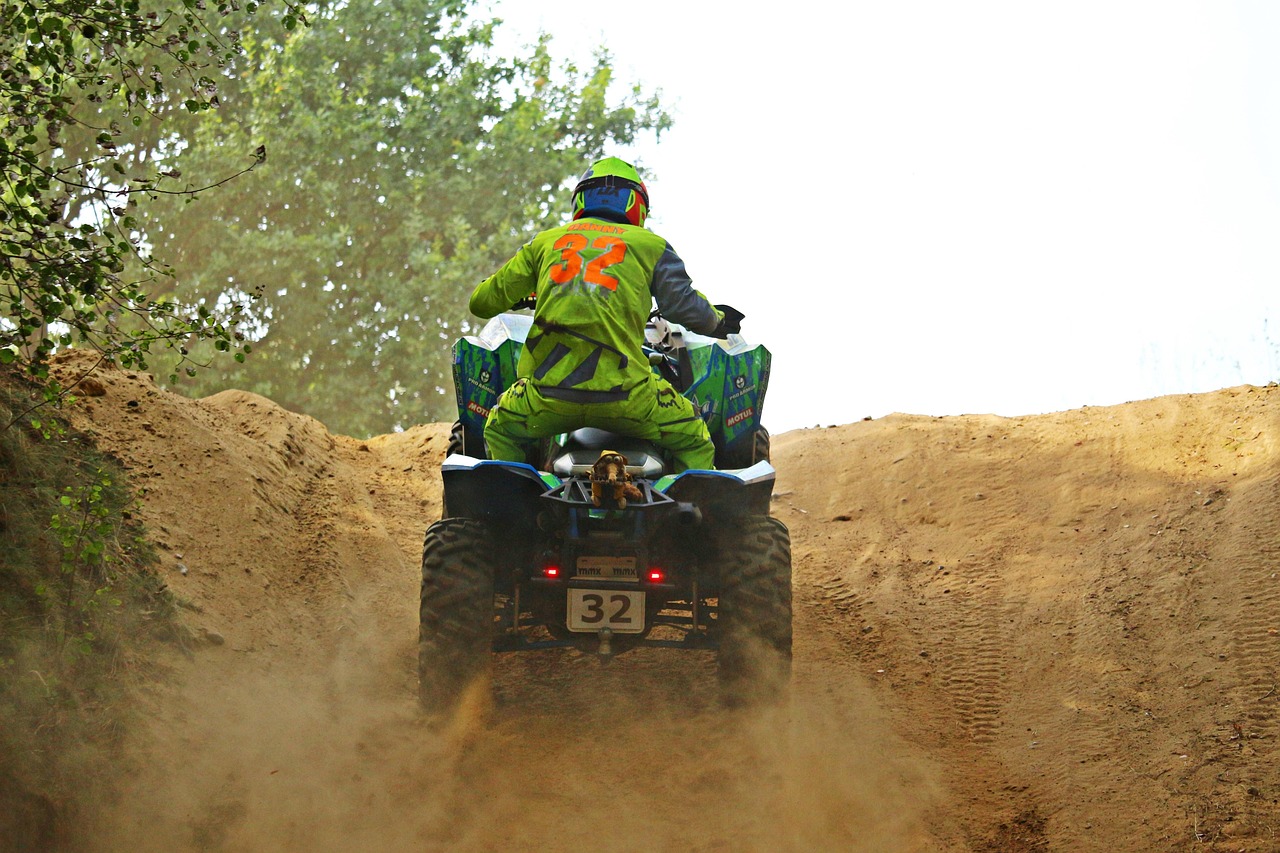

Building an ATV Trail: What You Need to Know
Building an ATV trail can be an exhilarating adventure, enhancing the joy of outdoor sports. Proper planning and implementation will ensure a sustainable and enjoyable trail experience. To begin, evaluate the landscape to choose an optimal route. Factors to consider include natural features, local wildlife, and accessibility. Make sure to adhere to local regulations regarding trail construction. An important step is to engage with environmental agencies to secure any necessary permits. You also need to account for soil types and potential erosion issues. Inclusion of adequate drainage systems will prevent water accumulation and damage. You can also include signage that guides riders about the trail and promotes safety. Consider using locally sourced materials, which will blend in well with the environment. Additionally, fostering a relationship with local ATV clubs will be beneficial. They can offer support, feedback, and possibly volunteers for trail maintenance. Facilitating community engagement ensures lasting appreciation for the trail. Equipment needs include earthmovers and compactors, which may be rented. Engaging professionals for certain tasks can also ensure safety and compliance with best practices.
Next, you need to put a plan into action, focusing on trail dimensions. Generally, ATV trails should be at least four feet wide, allowing safe passage for riders. Furthermore, ensure that turns are wide, reducing sharp angles that may cause accidents. Align your trail design with the natural contours of the land, avoiding excessive grading. Minimize cuts and fills to maintain the ecosystem’s integrity. Proper design also includes creating a variety of experiences, such as straight stretches and gentle curves. As you begin construction, mobilize a team equipped with the necessary tools. Trailbuilding involves compacting the soil for a stable foundation, followed by layering gravel for traction. Implementing features like hills and dips can add technical challenges for experienced riders. It’s vital to check weather conditions before starting work. Wet conditions can cause soil erosion and complicate construction efforts. Safety should always be a primary concern; all workers must wear helmets and other protective gear. Once construction begins, mark boundaries clearly to advise any wandering hikers. Engage nearby landowners as part of your planning to avoid disputes. This proactive step can foster goodwill and contribute to smoother trail operations.
Maintenance and Sustainability
Regular maintenance is crucial for the longevity of the ATV trail. After the completion of construction, set up a maintenance schedule to monitor trail conditions. Essential tasks include checking for erosion, cleaning debris, and ensuring proper drainage systems remain functional. It’s also beneficial to establish a maintenance crew comprised of local ATV users. Implementing a volunteer program can involve community members, fostering a sense of ownership. This not only strengthens community ties but also encourages responsible riding. During maintenance days, educate volunteers about trail sustainability, emphasizing responsible land management practices. Regular inspections are essential, particularly after extreme weather events. Storms can introduce obstacles like fallen trees or debris. Critically, a well-maintained trail enhances user satisfaction. Re-evaluate trail conditions through rider feedback, which can guide necessary updates. Over time, trails can become eroded or widen beyond safe limits, requiring restoration. Prioritize environmentally-friendly practices, such as using natural materials for repairs, which help preserve the ecosystem. Partnering with ecological organizations can also provide valuable insights about sustainable practices. Engaging with local authorities about restrictions on rider speeds can ease wear on trails.
An important consideration involves educating riders on trail etiquette. Providing them with resources will encourage responsible riding, which is vital for trail sustainability. Create a welcome pack including trail maps, safety guidelines, and contact information for emergency services. Use social media and local ATV clubs to disseminate this information effectively. Consider organizing periodic events, like clean-up days and guided rides, that can promote community awareness. These events can also foster relationships among riders and local residents. It’s crucial to maintain open communication with stakeholders, including area residents who may be impacted by trail activities. Incorporating their feedback helps address any concerns promptly. Another practical tip involves using signage effectively; clear signs prevent confusion about trail rules. When designing signage, use visuals that convey information quickly and effectively. Include a contact for local trail managers who can assist with inquiries. Encouraging responsible behavior among riders also involves outlining areas specifically for beginners or advanced riders. Overall, emphasizing a friendly and informative atmosphere will enhance rider experiences. Inviting feedback helps ensure the trail meets community needs while boosting overall participation.
Promoting the Trail Effectively
After successfully building your ATV trail, promoting it becomes crucial for attracting users. A well-crafted marketing strategy will raise awareness, drawing in both enthusiasts and new riders. Begin by developing a dedicated website or social media page highlighting trail features and safety guidelines. Include engaging images that showcase the terrain, their experience. Leverage local tourism boards to feature the trail in visitor brochures; collaboration boosts visibility significantly. Creating informative videos can also captivate potential users, showcasing the trail’s unique features. Engaging storytelling can inspire riders to plan visits and share experiences. Consider organizing special events or competitions, which can create excitement about the trail. These can include race days, family fun rides, and orientation sessions for beginners. Partnering with local businesses can also be beneficial; they may offer discounts to trail users. Ensure these partnerships foster mutual benefits while celebrating the local economy. Effective word-of-mouth promotions by satisfied riders can generate interest organically. Providing a platform for rider testimonials can also enhance credibility. Utilize online platforms, making it easy for riders to share their feedback, which further encourages new visitors.
To maximize reach, consider cross-promotional opportunities with other outdoor activities. ATV riding can often interlink with biking or hiking routes nearby. Joint marketing efforts can draw diverse outdoor enthusiasts, increasing trail use and maintaining regional popularity. Engage with local ATV groups to gather their insights and determine how the trail can be adapted to meet diverse needs. Involving them not only enhances the trail’s reputation but offers practical information on rider preferences. It’s critical to remain transparent about ongoing costs related to trail maintenance, providing users with an understanding of sustainability efforts. Consider potential grants or funding opportunities that may. Support from the community will help keep the trail flourishing. Following the construction phase, maintain momentum by sharing regular updates on trail conditions and activities. Highlight success stories of riders who have had memorable experiences on the trail, promoting positive narratives associated with the trail. Allowing visitors to contribute stories can create a rich, engaging atmosphere. Keep engagement vibrant, tapping into emotion and joy experienced through outdoor adventures. Such narratives can solidify a connection between riders and the trail while cultivating a sense of responsibility toward preserving it. Social media interactions amplify excitement, reinforcing community involvement.
Conclusion and Future Directions
Building an ATV trail is just the beginning of a lifelong project. Focusing on sustainable practices ensures long-term success and community support. Continuously monitoring trail conditions helps maintain its quality and usability. Riders must understand best practices for reducing environmental impact while enjoying their adventures. Future expansions may include adding new features to enhance the rider experience. These can involve trail diversions, camping facilities, or guided tours for all experience levels. Collaborating with local experts can forge new paths, increasing diversity and challenges for riders. Furthermore, fostering partnerships with educational institutions can enhance outreach initiatives. Youth education programs may inspire new generations of outdoor enthusiasts dedicated to responsible practices. Investing in digital tools will aid communication efforts with the cycling community, elevating engagement and participation. Utilizing strategies like GPS trails and integration with mobile apps enhances user experience sustainably. Keep an open dialogue with riders to ensure their feedback reflects evolving preferences. By making consistent improvements based on reliable feedback, the trail can become a vibrant hub for all outdoor enthusiasts. Ultimately, community involvement will strengthen connections, bringing together nature lovers while celebrating the joy of ATV riding.