
Cycling Race Formats Explained: From Time Trials to Criteriums
Cycling is not just a sport; it’s a passion for many worldwide. This passion manifests in various race formats. Time Trials stand out as one of the purest forms of cycling competition. Riders race against the clock in a test of speed and stamina, often on a flat, straight course. In Time Trials, the focus is on individual performance, and riders often utilize specialized bikes for aerodynamic efficiency. These events typically lack the race support seen in other formats, emphasizing self-reliance and strategy. Participants must maintain a consistent pace and manage energy wisely. The thrill of the start line and the final sprint towards the finish line make Time Trials incredibly exhilarating. Riders often compete in categories based on age or experience. Results are typically calculated based on overall time taken. Understanding Time Trials can enhance one’s appreciation for the endurance and technique required. Spectators and participants alike become engrossed in the challenge and thrill of each event, making Time Trials a favorite for many. Whether for competition or personal achievement, Time Trials are a testament to the spirit of cycling.
Understanding Road Races
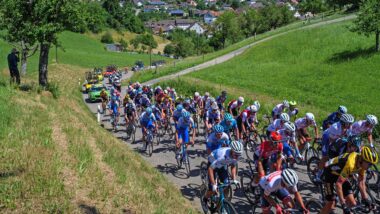
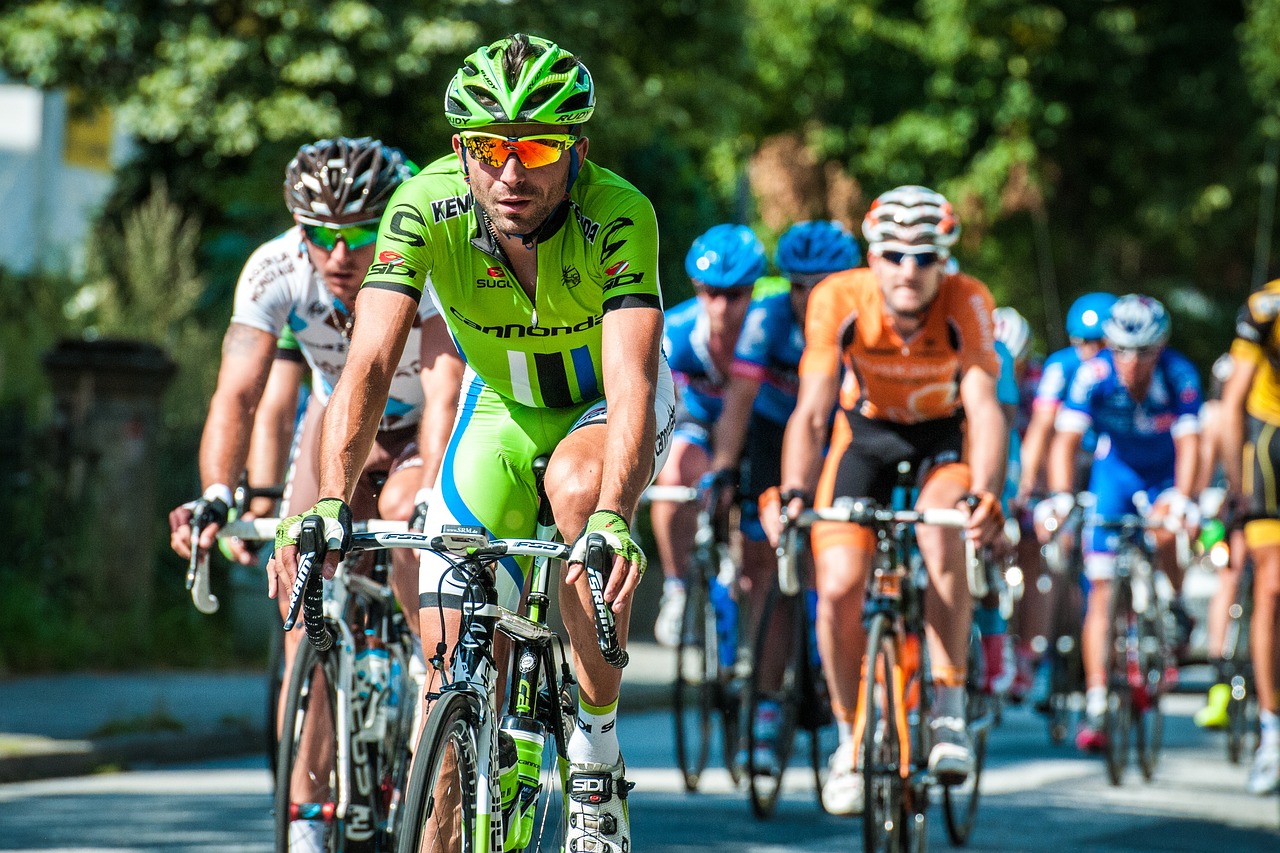
Road Races are arguably the most recognized form of cycling competition, involving a mass start and a route set over various terrains. These events can range from a few kilometers to several hundred, drawing participants of all skill levels. Unlike Time Trials, Road Races emphasize teamwork, strategy, and positioning within the pack. Cyclists must navigate climbs, descents, and sprint finishes, testing their tactical acumen. Riders often race in teams, aiding each other to achieve the best possible overall outcome. Understanding how to draft off teammates can significantly influence race dynamics. Critical moments, such as climbs and sprints, can change the tide of a race instantly. Timing an attack for maximum impact is essential, as timing can influence the final standings. Moreover, various types of Road Races exist, such as Gran Fondos and stage races, each with distinctive rules. This diversity keeps cyclists engaged, encouraging them to adapt and learn continuously. Fans enjoy the unpredictable nature of Road Races, celebrating the adrenaline rush as cyclists battle for victory. The atmosphere around these events showcases the unique camaraderie among cyclists.
Another exciting format is the Criterium, characterized by its short, closed-circuit courses. Criteriums are fast-paced races often held in urban areas, featuring numerous turns and swift sprints. These races can last from 30 minutes to a couple of hours, challenging cyclists’ speed and cornering abilities. Due to the short laps, they allow for frequent spectator engagement, making them fun for crowds. Additionally, the combination of technical skills and tactical racing creates a thrilling environment. Riders must maintain high speed while making sharp turns without losing momentum. Team strategies play a crucial role, with cyclists often working together to outpace competitors. The excitement builds with each lap, culminating in a final sprint where every second counts. Knowing when to conserve energy and when to attack becomes vital in achieving top placement. Criteriums are often held as part of a larger festival, celebrating cycling and community spirit. The urban backdrop adds a distinctive flavor to these events, making them a staple in the cycling calendar. For both participants and spectators, Criteriums offer a vibrant display of agility, speed, and strategy in cycling.
Exploring Track Racing
Track Racing is another thrilling cycling format, showcasing speed in a controlled environment. Held on specially designed velodromes, these races demand precision and agility. Riders compete in various events, from sprints to points races, each with unique strategies and rules. The absence of wind resistance enhances speed, allowing cyclists to reach impressive velocities. Track Racing emphasizes raw power and technical skill, as maintaining speed is critical. The races often see riders strategically drafting each other, setting up for explosive finishes. Events like the Keirin involve multiple cyclists starting behind a motorized pacer, adding an element of unpredictability. Racers must decide when to break free from the pack to secure a winning position. Understanding the subtle nuances of pacing and timing can significantly impact race outcomes. Fans are drawn to the electric atmosphere of track events, cheering loudly as competitors battle for dominance. The combination of speed and strategy creates an adrenaline-fueled experience for everyone involved. Track Racing remains a celebrated aspect of cycling, continuing tradition and innovation in this exhilarating sport.
Mountain Biking is another thrilling branch of cycling, emphasizing rugged terrains and natural landscapes. This style of racing is characterized by its diverse environments, including steep hills, narrow trails, and unexpected obstacles. Riders must master technical skills and endurance to navigate challenging courses effectively. Each race offers a unique experience, from cross-country races that focus on endurance to downhill events emphasizing speed and bravery. Mountain Biking races often take place in picturesque areas, enhancing the experience for both riders and spectators. The adrenaline rush from descending steep slopes contributes to the excitement, with riders competing fiercely against the clock. Technical challenges, such as rocky sections and sharp turns, require participants to adapt quickly and maintain their focus. Additionally, strategies differ significantly from those used in road racing, as terrain influences performance and pacing. The camaraderie among mountain bikers fosters a lively community that thrives on shared experiences. Understanding different categories within Mountain Biking can enhance one’s appreciation for this diverse cycling discipline, showcasing the skills and bravery needed to conquer nature’s obstacles.
Unveiling BMX Racing
BMX Racing is a dynamic and exhilarating cycling discipline characterized by its high-flying stunts and competitive spirit. Competitors race on a dirt track filled with jumps, turns, and obstacles, making BMX a thrilling spectacle. This form of racing originated from a combination of motocross and bicycle racing, appealing to those who enjoy adventure and speed. Riders face off in heats, vying for a top spot in the finals, where every moment matters. The adrenaline rush from tackling jumps and tight corners is part of BMX’s allure. Athletes must blend strength, agility, and technical skill to excel in BMX. The community surrounding BMX is vibrant and inclusive, drawing in participants of all ages and backgrounds. Events are often held outdoors, promoting camaraderie among fans and racers as they celebrate each race day. The culture of BMX fosters creativity, with riders often customizing their bikes to reflect personal style. This accessibility makes BMX racing appealing to newcomers while also providing a platform for elite competition. Engaging with BMX racing helps cultivate a love for cycling beyond traditional formats, embracing a fun, energetic atmosphere.
Lastly, Endurance Racing represents a test of physical and mental limits under prolonged effort. Events like ultra-endurance races push cyclists to their extremes, often spanning hundreds of miles. These races can occur across various terrains, from roads to rough trails, absorbing a diverse range of cyclists. Participants face the challenge of pacing themselves over long distances, testing their endurance and resolve. Nutrition and hydration strategies become critical, as riders cannot afford to deplete their energy reserves. The unique nature of Endurance Racing cultivates a strong sense of achievement. Completing a race of this magnitude speaks volumes about personal commitment and resilience. Frequently, riders participate in teams, enhancing support throughout the event. The shared experience fosters bonds, as cyclists encourage one another to surpass their limits. With stunning landscapes as a backdrop, Endurance Racing becomes more than just a race but a journey of exploration. Each pedal stroke contributes to an unforgettable adventure, making this format attractive to many enthusiasts. Understanding the nuances of Endurance Racing can lead to greater appreciation for the endurance and dedication required to complete these challenges.